


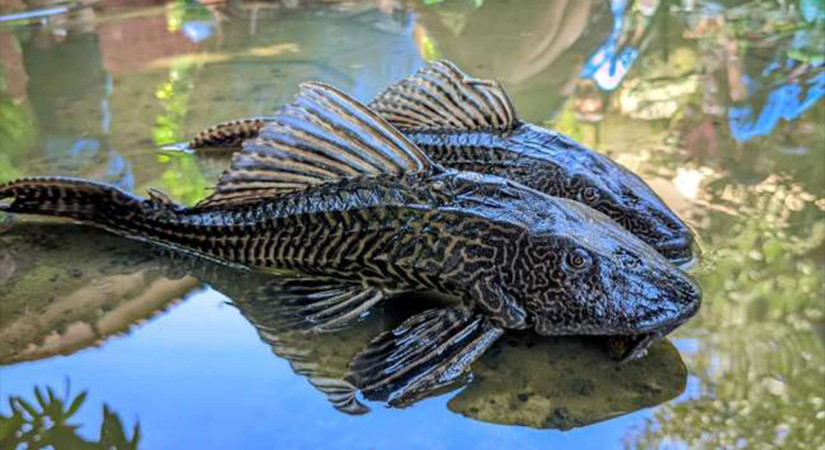
The presence of invasive alien fish species in Indonesia has become a potential threat to ecosystem balance, biodiversity, and environmental health. According to the Intergovernmental Science-Policy Platform on Biodiversity and Ecosystem Services (IPBES), more than 37,000 species have been introduced by human activities into new regions and biomes worldwide, and more than 3,500 species pose harmful threats to nature and humans.
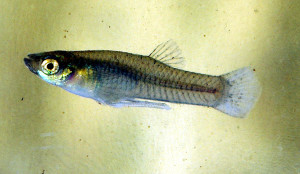
Research and mapping conducted by the National Research and Innovation Agency (BRIN) show that there are around 247 alien fish species in Indonesia, with 50 species suspected to inhabit public waters and 20 species considered invasive with high dispersal potential. Common examples found in Indonesia include suckermouth catfish (Pterygoplichthys sp.), cichlid species such as red devil fish, mosquitofish (Gambusia affinis), tilapia, arapaima, and alligator gar.
A lecturer at the Faculty of Biology Universitas Gadjah Mada (Biology UGM) stated that invasive alien species are non-native organisms that enter new ecosystems and proliferate rapidly, eventually threatening native species. According to him, these species are considered “alien” because they originate from outside their natural habitat and are termed “invasive” because they can reproduce quickly, dominate, and disrupt the new ecosystems they inhabit.
Donan added that not all alien species automatically become invasive. However, the potential should still be anticipated.
“Although not all alien species have invasive potential, such as koi fish, the possibility remains, depending on the species’ adaptive capacity and environmental conditions. Therefore, vigilance and mitigation efforts are still necessary,” he said on Friday (May. 22).
Donan cited a 2022 literature review published in the journal Sains Malaysiana that identified at least 50 alien fish species across 72 lakes and 57 rivers in 28 Indonesian provinces; 18 species were classified as invasive. Recordedly, cichlid fish were dominating lake ecosystems, while suckermouth catfish were more commonly found in river systems. The introduction of invasive alien species into Indonesia is largely driven by human activities, including the ornamental fish trade and aquaculture for consumption.
“Many fish are released into public waters when owners can no longer care for them or when farmed fish are swept away by floods from aquaculture ponds,” he explained.
In addition, alien fish introductions have also occurred through ceremonial releases and biological control programs during the colonial era. One example is the introduction of mosquitofish (Gambusia affinis) to control malaria mosquito larvae.
Researchers at Biology UGM consider invasive species dangerous because they can disrupt food chains and compete for resources with native species. Suckermouth catfish, for instance, can damage local fish habitats by consuming aquatic plants and algae and creating burrows in riverbeds. Donan also provided another example of the impact of invasive species on local fauna.
“Mosquitofish attack and nibble the tails of fire salamander larvae, causing many larvae to fail to reach adulthood and eventually die,” he explained.
Meanwhile, tilapia are considered capable of triggering eutrophication, or excessive algal growth in aquatic environments, due to increased nitrogen and phosphorus levels from fish excretion.
“This condition has the potential to increase mortality among other fish species inhabiting the same ecosystem,” he said.
Akbar Reza, a lecturer at the Conservation Ecology Laboratory of Biology UGM, explained that one reason invasive fish are difficult to eradicate is their exceptionally high adaptability.
“Ecologically, several invasive fish species, such as suckermouth catfish, possess high adaptive abilities and are even highly tolerant of heavy metals, allowing them to spread widely. Moreover, there are no predators capable of controlling their populations,” he said.
Luthfi Nurhidayat from the Laboratory of Animal Structure and Development highlighted the rapid reproductive capacity of invasive fish.
“When these invasive fish enter Indonesia’s public waters, where ecological competition is not particularly intense, their population growth becomes uncontrollable,” explained Luthfi
Nevertheless, many members of the public still do not fully understand the impacts of releasing invasive fish species into natural ecosystems. In fact, fish releases for consumption purposes or ceremonial activities are still frequently carried out without considering their long-term ecological impacts.
In efforts to control invasive species, Reza emphasized the importance of an integrated approach involving regulation, research, field control, and public education. Therefore, invasive species management must be carried out comprehensively through three main pillars: legal frameworks and research, physical and biological control measures, and prevention through collaboration.
Reza revealed that the list of Invasive Alien Species (JAI) must continue to be updated and supported by long-term research to ensure more effective policy enforcement. Coordination among institutions such as BRIN, universities, KKP, and the Quarantine Agency needs to be strengthened.
Luthfi added that field control efforts can be carried out through intensive fishing, waterbody isolation, drying of water bodies, and ecologically based restoration of native species. The economic utilization of invasive fish may serve as a strategy to encourage public participation in population control.
Indonesia currently has several regulations related to invasive species management, including the Ministry of Environment and Forestry Regulation No. P.94 concerning Invasive Species and Ministry of Marine Affairs and Fisheries Regulation No. 19 of 2020 regarding the prohibition of importing and distributing fish that threaten ecosystems.
Nevertheless, Luthfi emphasized that these regulations must continue to be updated in line with rapidly changing ecosystem conditions.
“With stronger policies, education, and cross-sector collaboration, it is hoped that the threat posed by invasive alien species to Indonesia’s biodiversity can be mitigated more effectively,” he concluded.
Author: Jelita Agustine
Editor: Gusti Grehenson
Post-editor: Jasmine Ferdian
Photos: Alodokter and Wikipedia