


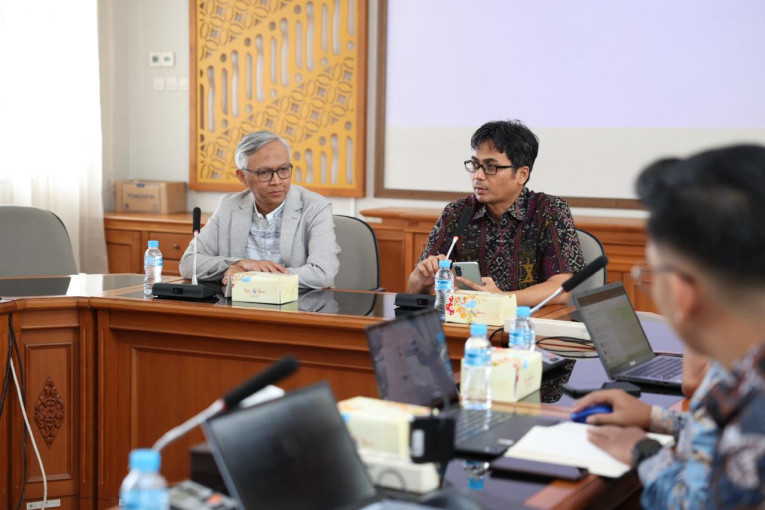
Universitas Gadjah Mada (UGM) welcomed a courtesy visit from the Indonesian Waqf Board (BWI) for a Sharing Session on Managing University Endowment Funds through State Sharia Securities (SBSN) issued under the waqf-linked sukuk scheme. The meeting aimed to gather insights for developing SBSN features based on waqf, positioning them as alternative investment instruments for university endowments.
Deni Ridwan, Director of Sharia Financing at the Directorate General of Financing and Risk Management, explained that the Cash Waqf Linked Sukuk (CWLS) is a form of support from the Ministry of Finance to strengthen the development of cash waqf.
“In this instrument, BWI serves as the nazhir responsible for collecting cash waqf, which will then be managed and invested in SBSN instruments,” he stated on Friday (Nov.14) at the UGM Meeting Room II.
Director Deni Ridwan noted that BWI has allocated funding across various sectors, including transportation and, notably, education.
He added that many universities have financed their infrastructure projects through SBSN.
“BWI has collaborated with several universities regarding the allocation of funds for the development of their various projects,” he said.
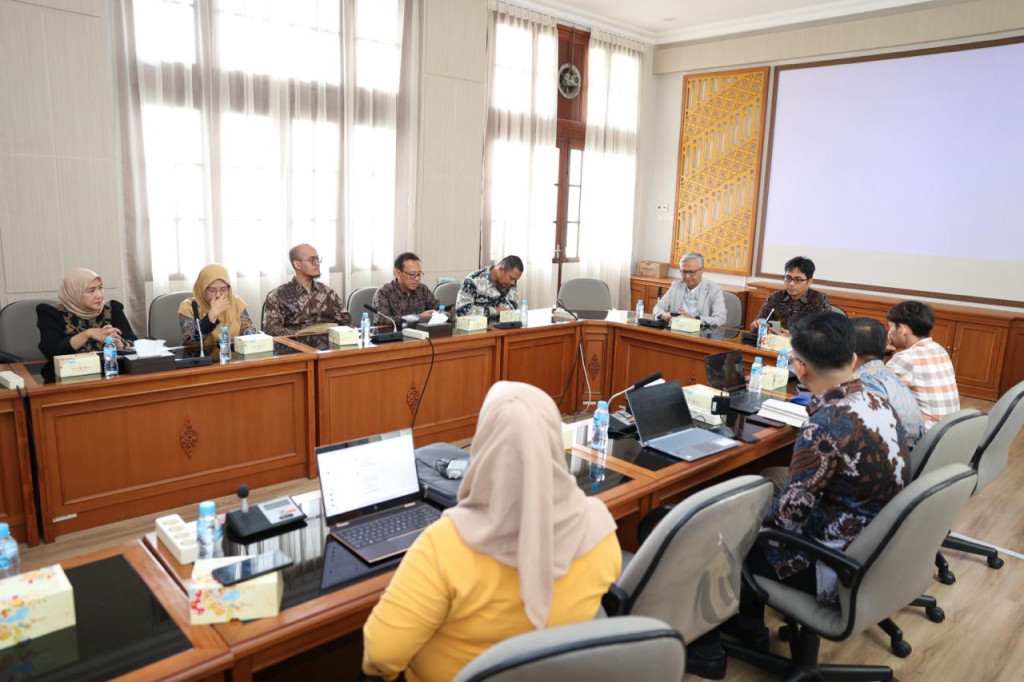
According to him, waqf-linked sukuk instruments offer a strategic approach to strengthening education financing.
Public universities (PTN) would gain the dual benefits of project development and investment returns, while the government would advance its mandate to enhance national education with financial support from PTN acting as investors.
This model, he said, reduces dependency on external investors.
UGM Director of Finance, Professor Syaiful Ali, expressed his appreciation for BWI’s initiative in introducing an inclusive financing instrument for higher education.
He emphasized that the discussion opened new opportunities for universities to refine their endowment management strategies.
“It is very interesting to see the types of investments that universities can pursue,” he said.
Professor Ali added that sharia-based investment mechanisms hold considerable potential to support university financial independence.
He affirmed that UGM will carefully examine the model in coordination with its finance team.
“The UGM finance team will hold further discussions to assess the instrument offered by BWI and the various benefits it may bring to the university,” he concluded.
Author: Jesi
Editor: Triya Andriyani
Post-editor: Lintang Andwyna
Photographer: Firsto Adi