


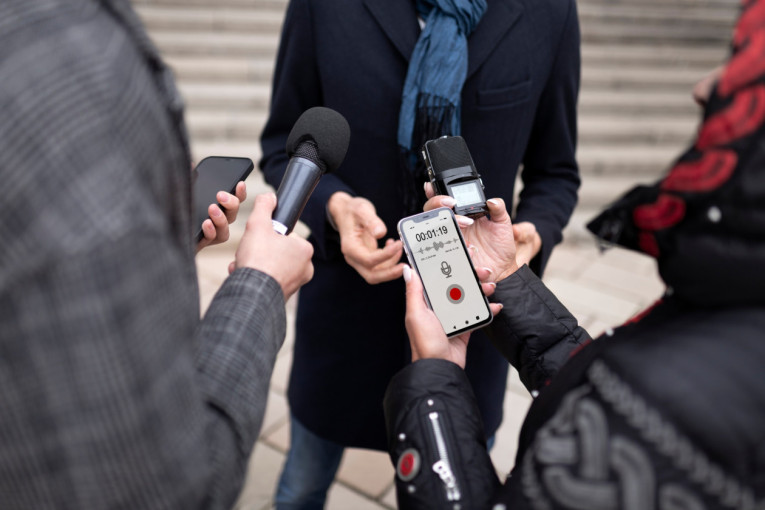
Research by the Reuters Institute shows that newsfluencers (individuals or small groups who produce and distribute news content through social media) now hold significant influence in public debate. In countries with large social media user bases, such as Indonesia, India, and Brazil, the role of newsfluencers even directly competes with mainstream media.
The Reuters Institute also notes that Indonesians increasingly rely on social media for various types of content, including news consumption. This trend opens opportunities for creators and journalists to present news content that is simple, easy to understand, and relevant to diverse segments of society.
UGM Communication Studies lecturer, Dr. Mufti Nurlatifah, believes that the presence of newsfluencers must be accompanied by an understanding of gatekeeping processes and adherence to journalistic ethics. According to her, determining whether someone qualifies as a journalist should be based on the provisions outlined in the Press Law.
“Calling them influencers is fine, but the justification of their status is what needs to be noted in this context,” she said on Thursday (Nov. 20).
Dr. Nurlatifah explained that Indonesia has far more content creators than other countries. Before implementing the Ministry of Communication and Digital Affairs’ proposed influencer certification initiative, she emphasized the need for a shared definition and criteria for categorizing who qualifies as an influencer. Clear identification is an essential step before entering the licensing process.
She noted that licensing in democratic countries always carries dual implications.
“Certification makes identification easier. However, certification can also become a restriction in the context of media freedom,” she said.
Furthermore, Dr. Nurlatifah highlighted the low level of public awareness regarding the backgrounds of content creators. Amid the rise of new media outlets, media freedom demands that the public understand the logic of digital platforms.
“When we talk about media freedom, what must be realized is understanding the platform’s logic about how influencers emerge, gain traction, and fade within this ecosystem,” she said.
She added that improving digital literacy must be carried out collectively. The involvement of all elements of society is necessary to ensure a broader understanding of how social media platforms operate. These efforts are essential to strengthen public resilience against misinformation.
Author: Jesi
Editor: Triya Andriyani
Post-editor: Rajendra Arya
Illustration: Freepik