


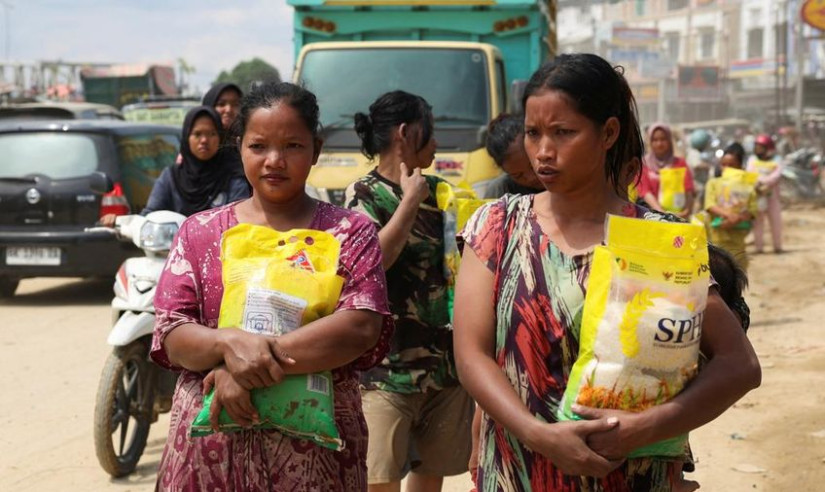
Disaster situations in several regions have once again highlighted the high risk of sexual violence against women in evacuation shelters. Women, children, and the elderly are among the most vulnerable groups in emergency conditions, while non-physical risks such as sexual violence are often not prioritized in disaster response. Instead, government agencies and volunteers have largely focused on physical recovery aspects, including logistics, evacuation, and infrastructure, leaving gender-based violence risks insufficiently anticipated.
“Sexual violence experienced by women during disaster situations is clear evidence that non-physical risks are still easily overlooked. Disaster response must be more gender-sensitive because women bear layered burdens, both due to patriarchal social structures and unsafe conditions in evacuation spaces,” said gender studies scholar from UGM’s Graduate School (SPs UGM), Dr. Ratna Noviani, on Friday (Dec. 12).
Dr. Noviani explained that the greatest challenge in protecting women in evacuation sites is the limited incorporation of gender perspectives into disaster management policies.
According to her, authorities and volunteers often concentrate heavily on meeting refugees’ basic needs, causing sexual violence issues to be viewed as a lower priority. In fact, vulnerability during emergencies significantly heightens such risks.
“We need disaster response mechanisms that integrate gender analysis from the outset. Even in emergencies, evacuation shelters must consider gender-based security aspects, including separate sanitation facilities and spaces that safeguard women’s privacy,” she explained.
In addition, reporting services and assistance for victims must be provided as part of preparedness efforts. Regarding the most effective solutions, Dr. Noviani emphasized the importance of structured protection systems that can operate even under limited conditions.
The placement of female officers at evacuation points, adequate lighting, separate sleeping arrangements, and volunteer training on gender-based violence should become standard measures.
“Strengthening reporting mechanisms, collaborating with service institutions, and providing community education are also considered crucial to preventing potential violence from the outset,” she said.
Dr. Noviani expressed hope that women’s protection will no longer be treated as an additional element in disaster management. Instead, it should become a core component at every stage of disaster response.
“We need a system that recognizes gender-based vulnerabilities so that women’s safety and dignity are always prioritized, ensuring that sexual violence in disaster situations can be prevented and does not recur,” she asserted.
Author: Kezia Dwina Nathania
Editor: Gusti Grehenson
Post-editor: Salma
Photograph: Reuters