


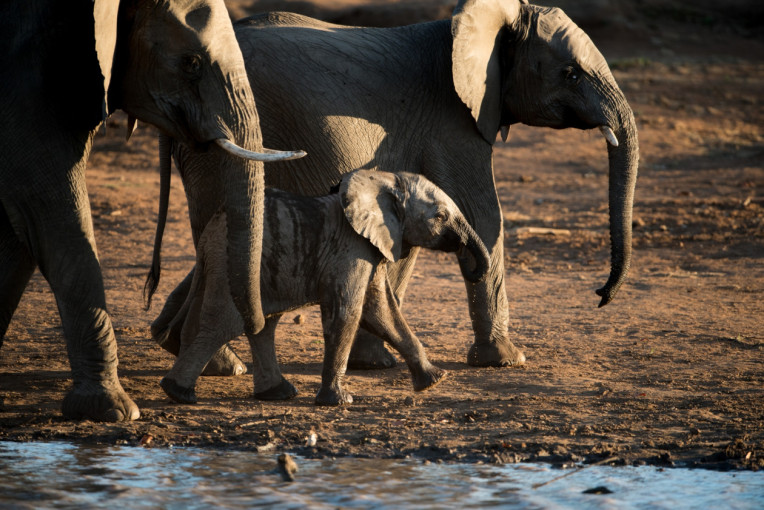
Two tame female elephants at Way Kambas National Park were reported dead within the past month. The two Sumatran elephants, named Dona and Suli, experienced a decline in health due to parasitic infection and liver cirrhosis despite receiving intensive medical treatment from the moment early symptoms were detected. The Head of Way Kambas National Park stated that all possible efforts had been made, but the condition of the protected animals continued to deteriorate until they could not be saved.
Responding to the incident, a lecturer at the Faculty of Veterinary Medicine, Universitas Gadjah Mada (FKH UGM), Professor Raden Wisnu Nurcahyo, noted that elephant deaths at Way Kambas are not new and have recurred for many years.
He described the deaths of Dona and Suli as particularly tragic because they were adult elephants, not calves typically prone to Elephant endotheliotropic herpesviruses (EEHV).
He further suspected that chronic parasitic infection was the primary cause, as the elephants were routinely bathed in rivers where they were exposed to water snails carrying liver flukes.
“That is why the deaths of these two elephants occurred due to a long-standing worm infection,” he explained on Monday (Nov. 24).
Professor Nurcahyo explained that captive elephants are more vulnerable than wild elephants, mainly because they lose their natural ability to find medicinal plants.
As a result, captive elephants depend solely on the feed and medical treatments provided.
He emphasized that the current maintenance system must be improved to prevent repeated fatalities.
“If the management system at the Elephant Training Center (PLG) is not changed, more tragic deaths will occur. An integrated elephant health system must be established,” he said.
On the other hand, the habitat conditions in Way Kambas are considered fairly good.
However, Professor Nurcahyo stressed that elephant health cannot be separated from the ecological relationship between the environment, wildlife, livestock, and humans.
Contaminated river streams from livestock waste, along with poor community sanitation, can increase infection risks.
“This is what we call One Health, health for all,” he explained.
He also highlighted limitations in the elephant hospital facilities at Way Kambas PLG, particularly regarding the availability of essential medications.
Additionally, he recommended several technical measures, such as draining sections of the river to disrupt the life cycle of snail hosts, cementing riverbanks to make snails easier to detect, and conducting regular fecal and blood examinations.
“Examinations should not be conducted only when cases arise. Monthly fecal and blood tests must be carried out at least once as a preventive effort,” the professor said.
In closing, Professor Nurcahyo emphasized that strengthening elephant health systems must be carried out comprehensively using a One Health approach.
Collaboration in medicine supply, environmental management, water quality control, and limiting visitor interactions are considered critical to preventing similar tragedies in the future.
He hopes that this integrated approach will enhance elephants’ health resilience in Way Kambas National Park.
Author: Cyntia Noviana
Editor: Triya Andriyani
Post-editor: Lintang Andwyna
Illustration: Freepik