


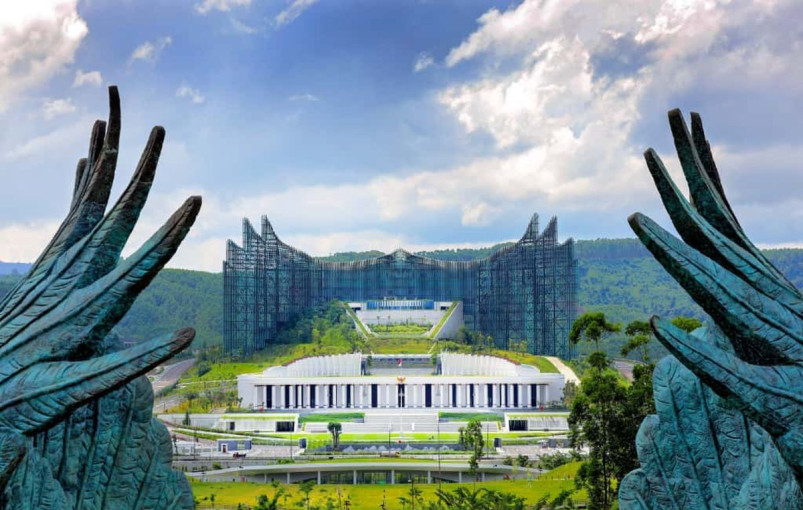
The development project of Indonesia’s new capital, Ibu Kota Nusantara (IKN), envisioned as a forest city and smart city by 2028, has now entered an intensive construction phase. Amid this large-scale development, environmentally based sustainability studies are considered crucial to ensuring the vision is realized. This issue was highlighted during a book discussion on “Sustainable Development in the National Capital City of Nusantara: A Biological Perspective” held at the auditorium of the Faculty of Biology, Universitas Gadjah Mada (Biology UGM), on Friday (Dec. 12).
Dean of Biology UGM, Professor Budi Setiadi Daryono, explained the role of biological sciences in the development of IKN. Professor Daryono noted that the book was initiated by an awareness of Kalimantan Island, which is globally recognized as a center of ecosystem diversity and rich natural resources that require special attention.
“This book proposes development strategies for IKN that integrate the concepts of forest city, smart city, and sponge city. The role of biology and ecosystem services needs to be emphasized to prevent environmental impacts, enhance adaptive capacity, and support the development of a safe, green, and resilient future city,” he said.
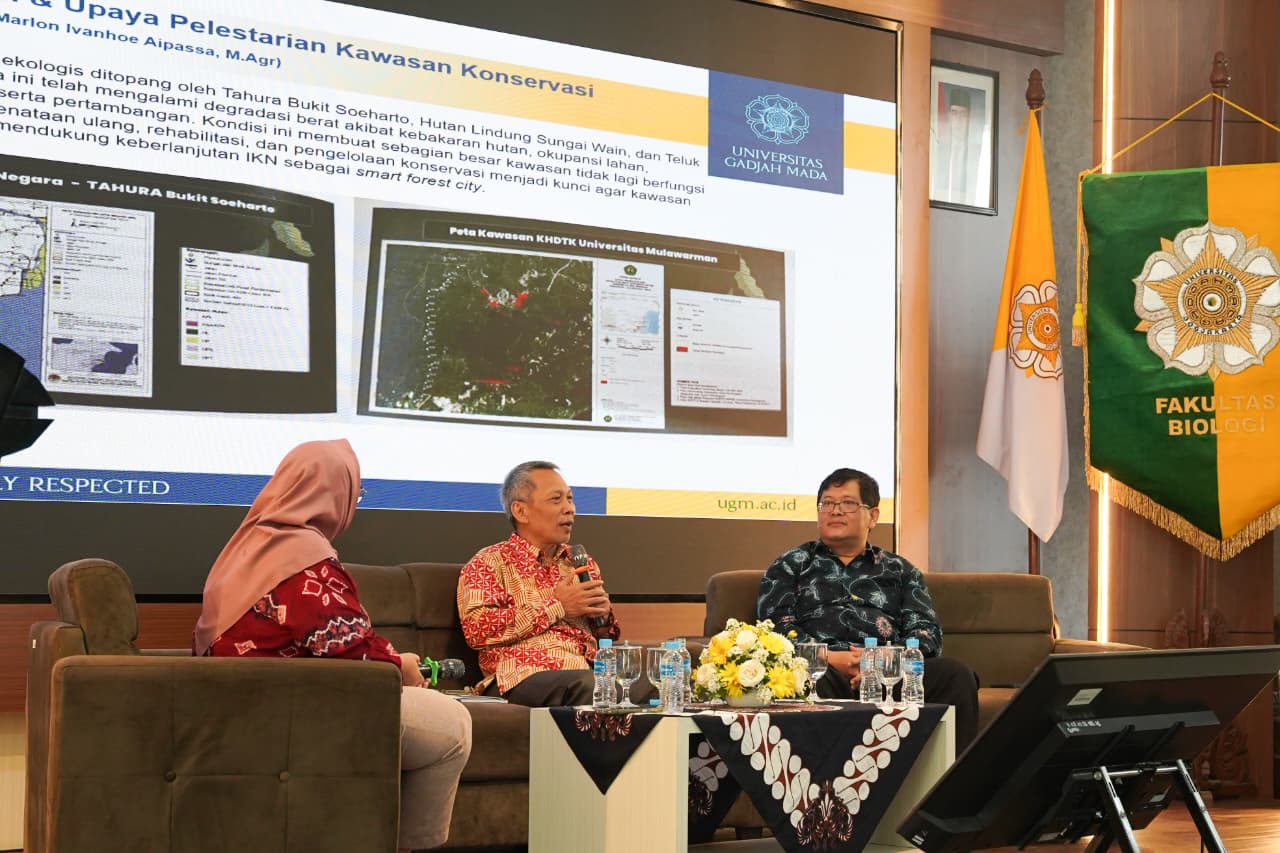
Furthermore, Professor Daryono highlighted the importance of IKN learning from the experience of Jakarta, the previous capital. He assessed that Jakarta has reached significant limits in its environmental carrying capacity.
Therefore, efforts to develop IKN with modern infrastructure, he argued, must be oriented toward the Sustainable Development Goals (SDGs) and supported by adaptive and environmentally friendly governance.
“IKN is expected to become a model of urban development that preserves ecosystem sustainability. For this reason, the City Biodiversity Index (CBI) also needs to be implemented as an evaluation tool for urban biodiversity conservation and sustainability,” he emphasized.
He explained that the book is the result of cross-disciplinary and cross-institutional collaboration, involving academics from UGM’s Faculty of Biology, researchers from the National Research and Innovation Agency (BRIN), members of UGM alumni (Kagama), and legislators. The professor stressed the importance of writing and publishing books as a form of intellectual legacy.
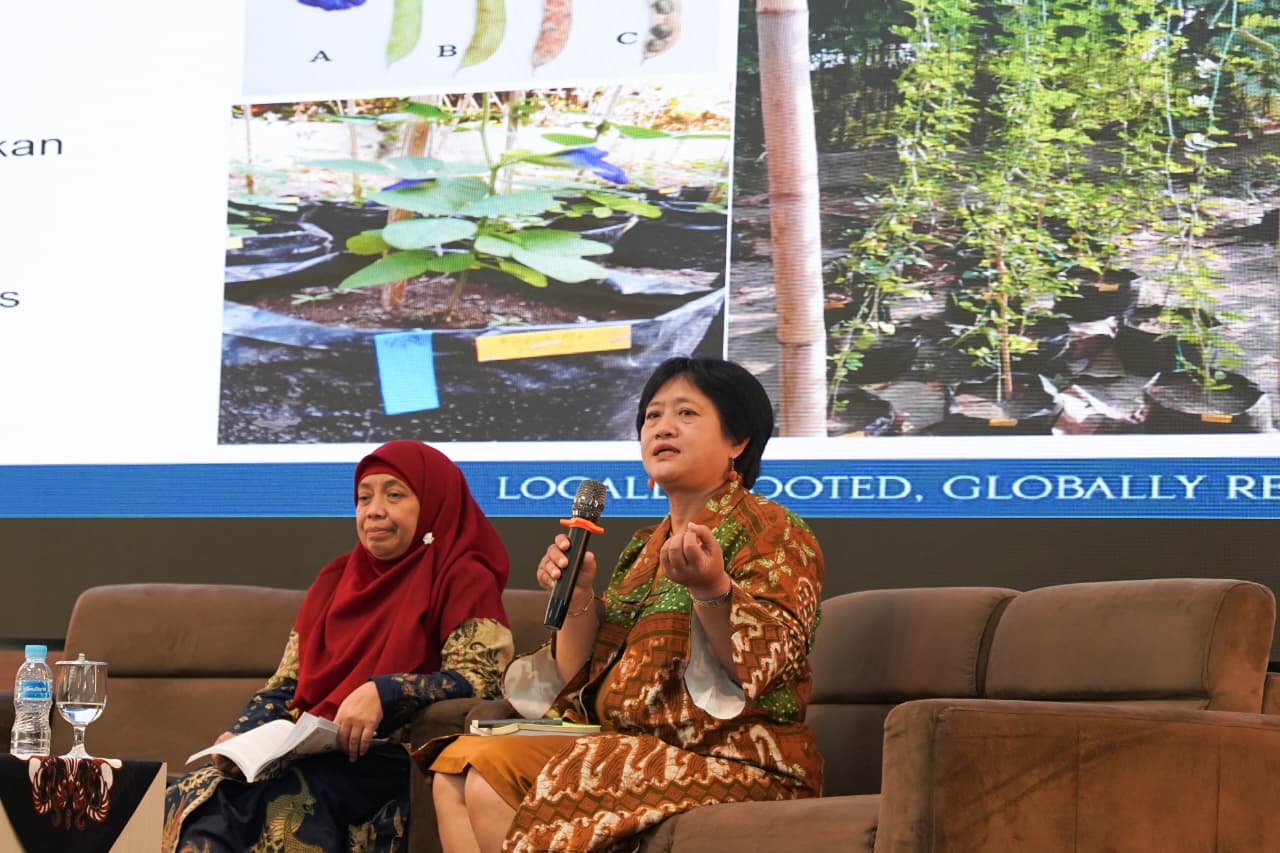
In addition to the discussion of “Sustainable Development in the National Capital City of Nusantara: A Biological Perspective”, another book titled “Cultivation and Potential of Butterfly Pea for Industry” was also reviewed during this year-end book discussion. The book was written by Professor Kumala Dewi, Professor Endah Retnaningrum, Uun Triyas Yuni Kurniawan, Hasni Indriyanti, and Nida Lidya Susanti.
Author: Aldi Firmansyah
Editor: Gusti Grehenson
Post-editor: Rajendra Arya
Photograph: OIKN