


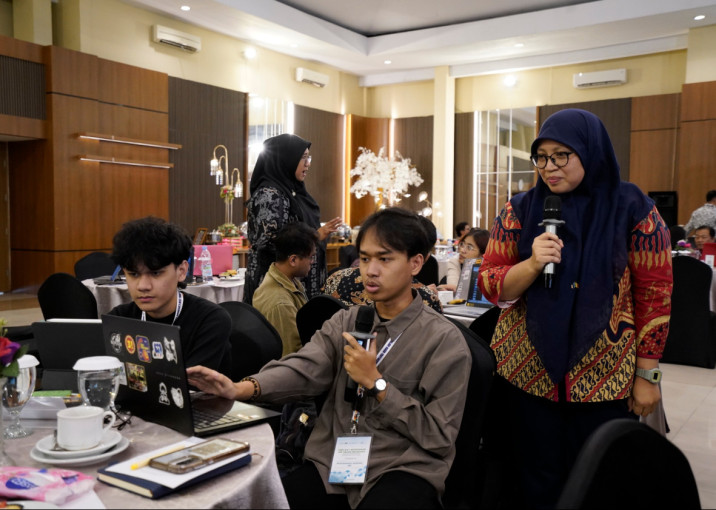
The use of trade remedy instruments has increased significantly in international trade. These instruments can be employed to protect domestic industries from losses caused by unfair trade practices. The Ministry of Trade of the Republic of Indonesia is encouraging the development of international trade experts and international law practitioners by collaborating with various universities, including Universitas Gadjah Mada (UGM).
The Directorate of Trade Remedies of the Ministry of Trade RI, in collaboration with UGM’s Center for World Trade Studies, organized a one-day workshop on Trade Remedies titled “Preparing Indonesia’s Next Trade Defense Practitioners” on Thursday (Dec. 11) at the University Club Hotel.
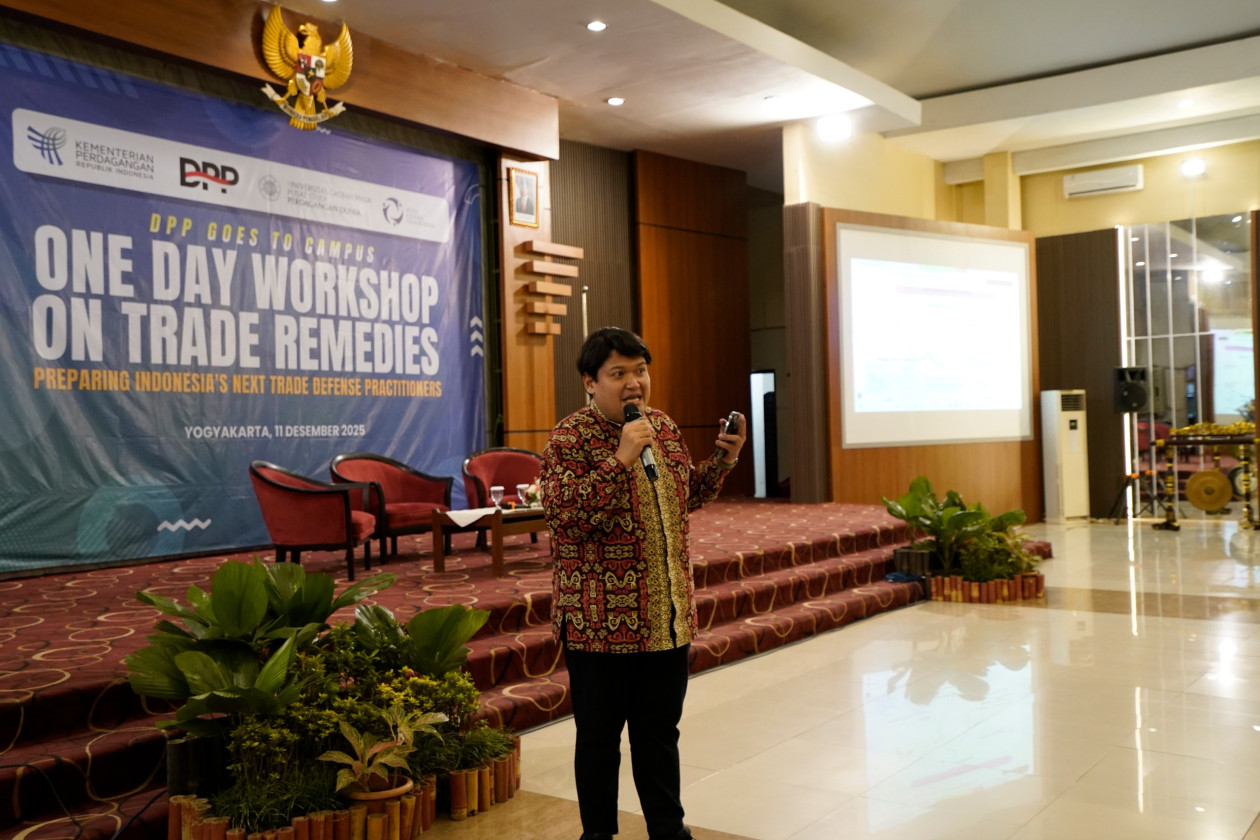
Acting Director General of Foreign Trade, Tommy Andana, stated that implementing duties at the Ministry of Trade involves multiple stakeholders.
Therefore, all tasks carried out by the Ministry become the responsibility of all Indonesian citizens, including institutions and the public, as the Constitution stipulates that the national economy is organized as a collective effort to achieve the greatest prosperity of the people.
“We encourage increased trade in Indonesia, both domestically and internationally. This certainly has significant implications for how economic growth is achieved,” he explained.
Director of Trade Remedies at the Ministry of Trade, Dr. Reza Pahlevi Chairul, noted that trade remedy issues are becoming increasingly relevant as tools to protect domestic industries and to safeguard Indonesia’s access to international markets.
Dean of the Faculty of Social and Political Sciences (Fisipol UGM), Dr. Wawan Mas’udi, said that contemporary trade issues face a wide range of challenges, including climate change, sustainability, and digital transformation.
“In essence, I believe this is a perfect opportunity for you to gain firsthand knowledge that trade is not merely about buying and selling, but something far more complex,” he said.
During the workshop, speakers from the Directorate of Trade Remedies shared various insights on issues, solutions, and policies in international trade. A key focus was understanding the basic principles of the World Trade Organization (WTO) and the foundational concepts of trade remedies, both explained in a simple, accessible manner.
In addition to explanations from practitioners, participants were invited to practice calculating dumping margins and subsidy margins, analyzing cases, formulating arguments, and simulating the preparation of submissions. The workshop was highly interactive, enabling participants to gain a comprehensive understanding of the material presented.
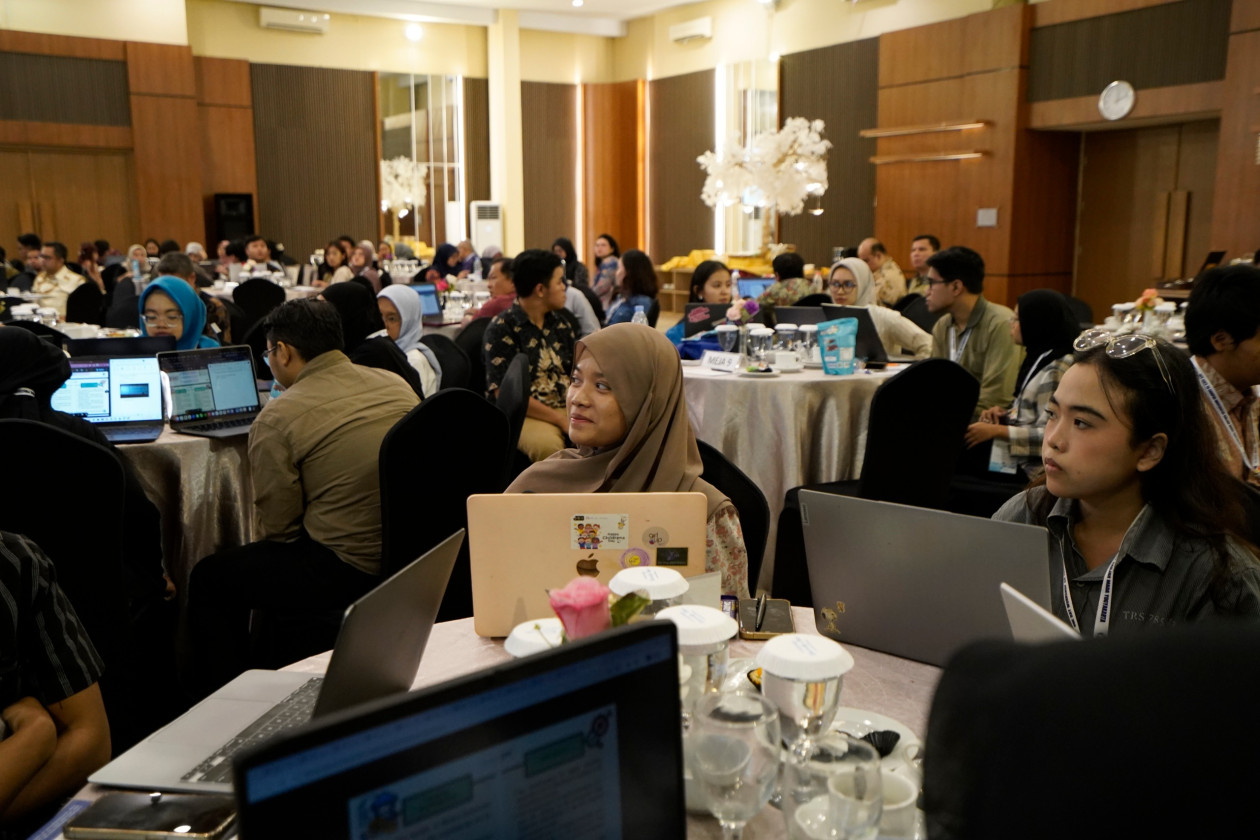
One workshop participant, Gita, a student in the International Relations Program, provided positive feedback on the activity.
“Today’s workshop was inspiring. We learned many insights that we actually haven’t studied in class yet, and they can be directly applied to our future learning,” the student said.
Other participants, Amel and Alyssa, also from the International Relations Program, shared similar views.
“For me personally, it turns out that the Ministry of Trade is very closely related to international relations, which is what we study in class,” Amel remarked.
Meanwhile, Alyssa said that learning about the various forms of trade remedies significantly broadened her perspective.
“There are so many, and we can see their implementation in Indonesia and in other countries, such as anti-subsidy, anti-dumping, safeguards, and many more. It was really exciting,” Alyssa concluded.
Author: Alena Damaris
Editor: Gusti Grehenson
Post-editor: Rajendra Arya
Photographer: Jesi