


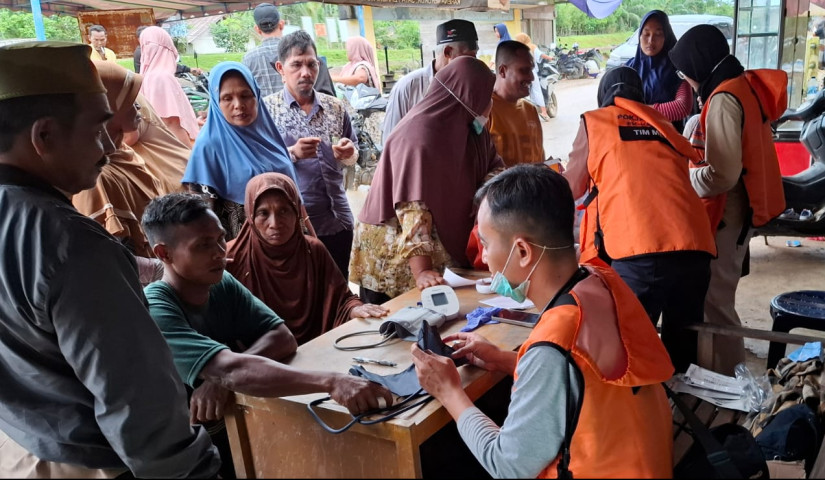
Flash floods not only cause environmental damage, destroy infrastructure, and collapse residential buildings, but also pose serious threats to public health. Data from the Ministry of Health’s Disease Situation Report on Potential Outbreaks in the Aceh region recorded at least 21,079 cases from nine types of diseases emerging after the ecological disaster. Of that total, acute respiratory infections (ARI) accounted for 9,731 cases as of Friday (Dec. 19, 2025).
Responding to the situation, a pulmonologist at Dr. Sardjito General Hospital in Yogyakarta and lecturer at the Faculty of Medicine, Public Health, and Nursing, Universitas Gadjah Mada (FK-KMK UGM), Ika Trisnawati, explained that infectious diseases often become the main health problem after disasters, especially when environmental conditions no longer support hygiene and sanitation.
“After a disaster, the major health problem is infectious disease. Unsanitary environments and poor sanitation provide an ideal medium for germs to grow,” the doctor said on Wednesday (Dec. 24, 2025).
She explained that disease control in disaster-affected areas is far more difficult than in normal conditions due to limited access to clean water, sanitation facilities, and adequate shelter.
As a result, ARI often emerges as the dominant illness following floods.
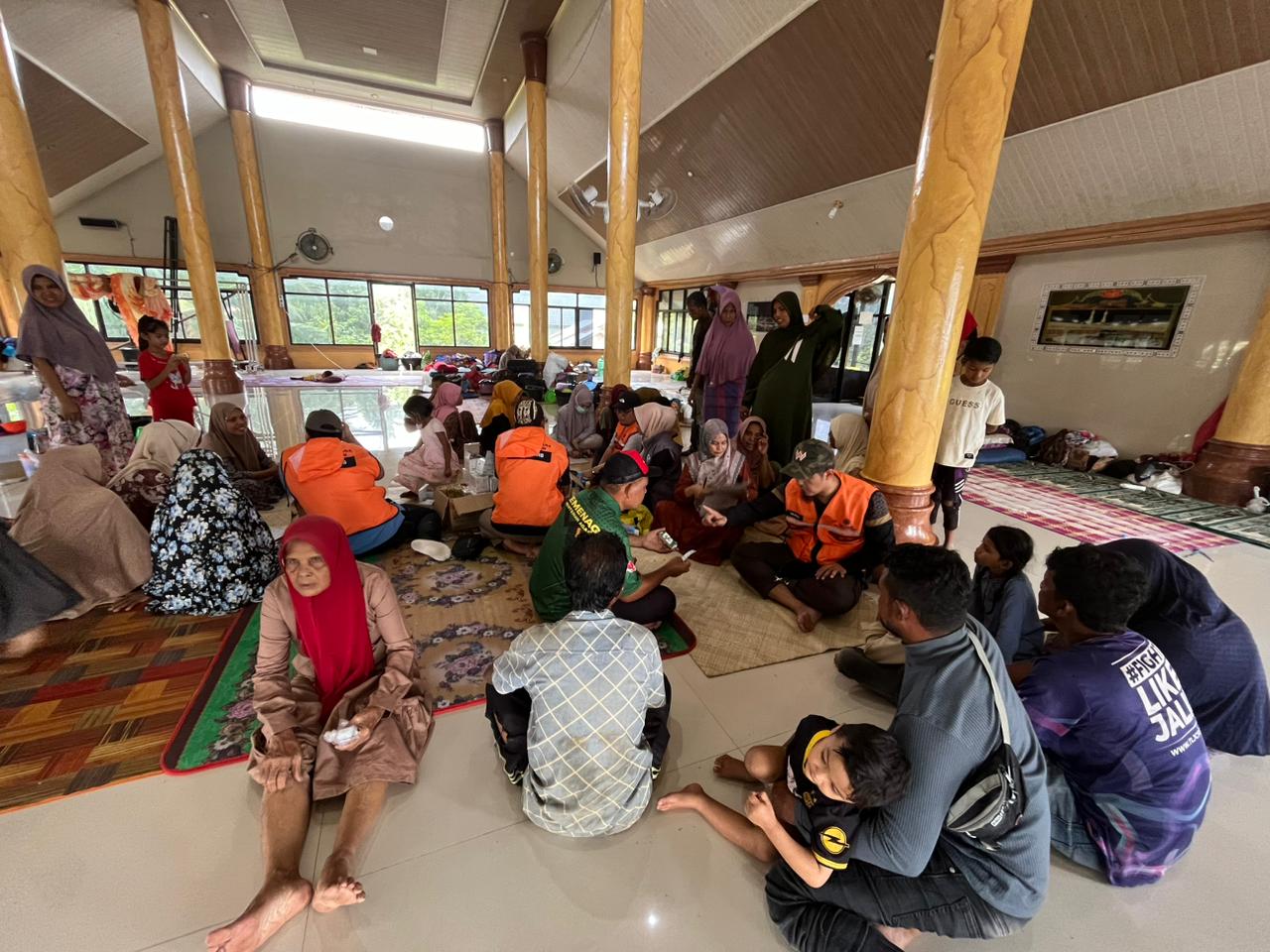
Furthermore, Trisnawati noted that several groups are most vulnerable to ARI infection.
These include children, especially toddlers, and the elderly, whose immune systems are either still developing or have already declined.
“In children, the immune system is still developing and not yet mature. In older adults, immunity declines with age,” she explained.
In addition to age, individuals with chronic diseases such as diabetes, heart disease, kidney disease, and cancer also face higher risks.
Equally important, she highlighted smokers as a vulnerable group because their lung function is already compromised, making them more susceptible to worsening conditions when infected with ARI.
Amid post-disaster limitations, Trisnawati emphasized the importance of personal protective measures for disaster victims.
According to her, evacuating to safer, cleaner locations is the earliest and most crucial step, particularly for vulnerable groups.
She also stressed the importance of personal protective equipment, such as masks and closed footwear.
Open wounds must be properly managed to avoid contact with contaminated water or mud.
According to her, ARI symptoms generally appear after flooding rather than during the disaster itself.
This occurs because dried mud and airborne particles facilitate the entry of viruses and bacteria into the respiratory tract.
Regarding treatment, she emphasized that ARI is primarily caused by viruses and irritation, meaning not all cases require antibiotics.
Adequate rest, sufficient fluid intake, proper nutrition, and vitamins are essential.
“Antibiotics must be used cautiously. They are only prescribed if there is a bacterial complication and must be given under a doctor’s prescription,” she stressed.
Meanwhile, the role of the government and volunteers is considered crucial in preventing the spread of disease after disasters.
Necessary efforts include providing adequate shelter, clean water, nutritious food, and personal protective equipment, as well as establishing emergency health posts.
“Early detection and rapid response are vital to prevent diseases from developing into outbreaks,” she said.
Trisnawati also delivered a message to communities in disaster-affected areas to continue maintaining hygiene and protecting one another despite limited conditions.
“Keep striving to maintain health and cleanliness, and look after one another, especially vulnerable groups. And of course, there is always hope after hardship. Stay resilient and faithful,” she concluded.
Author: Hanifah
Editor: Gusti Grehenson
Post-editor: Lintang Andwyna
Photographs: UGM AHS Team