


The landscape of public relations (PR) work continues to evolve, now facing not only conventional media but also the increasing sophistication of artificial intelligence (AI). Rather than fearing technology, PR professionals are encouraged to view it as a tool to enhance more human-centered, impactful communication.
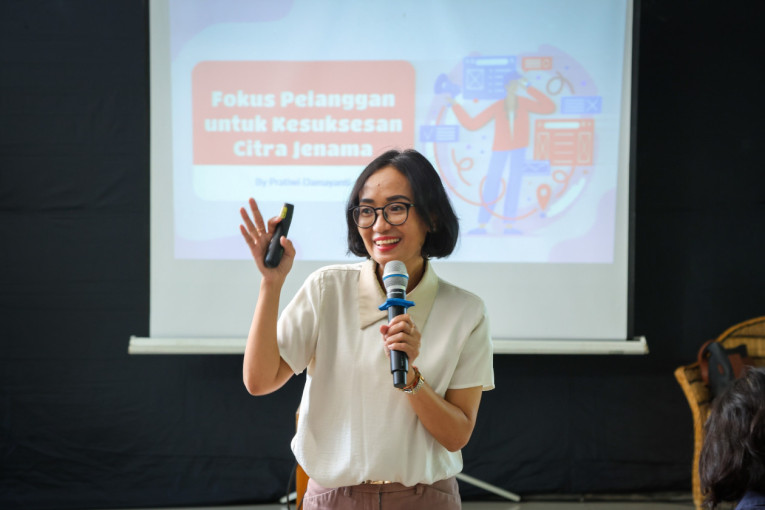
“AI is faster and more accurate in drafting press releases, but what it cannot do is understand emotions, empathy, and build trust,” said public relations practitioner Pratiwi Damayanti during a communication workshop themed Enhancing Brand Image Through Stakeholder-Oriented Approaches.
The event was held at Wisdom Park, Universitas Gadjah Mada (UGM), on Tuesday, Jun 18, 2025.
Dama, as she is familiarly called, emphasized the importance of strengthening institutional brand identity through a customer-focused approach, be it students, partners, media, or the general public.
In UGM’s context, this means cultivating warm yet professional relationships with all campus stakeholders.
According to her, effective communication is not merely about delivering information but about building strong emotional connections.
She encouraged participants to instill the value of service as the foundation of every public interaction.
“If you want to stay in PR, be a humane communicator, someone who makes people feel heard and understood,” she said.
Dama outlined five key stages in the customer-focused approach: creating a strong first impression, demonstrating empathy, offering solutions, providing concrete support, and maintaining long-term relationships.
She added that the ability to listen empathetically is often more valued than giving quick answers without a personal touch.
These five stages, she noted, should become ingrained habits within the PR work culture. Without consistent application, public trust is difficult to build and sustain.
“If your energy is good from the start, you’ve already won half the battle,” she said, illustrating the critical role of first impressions in effective communication.
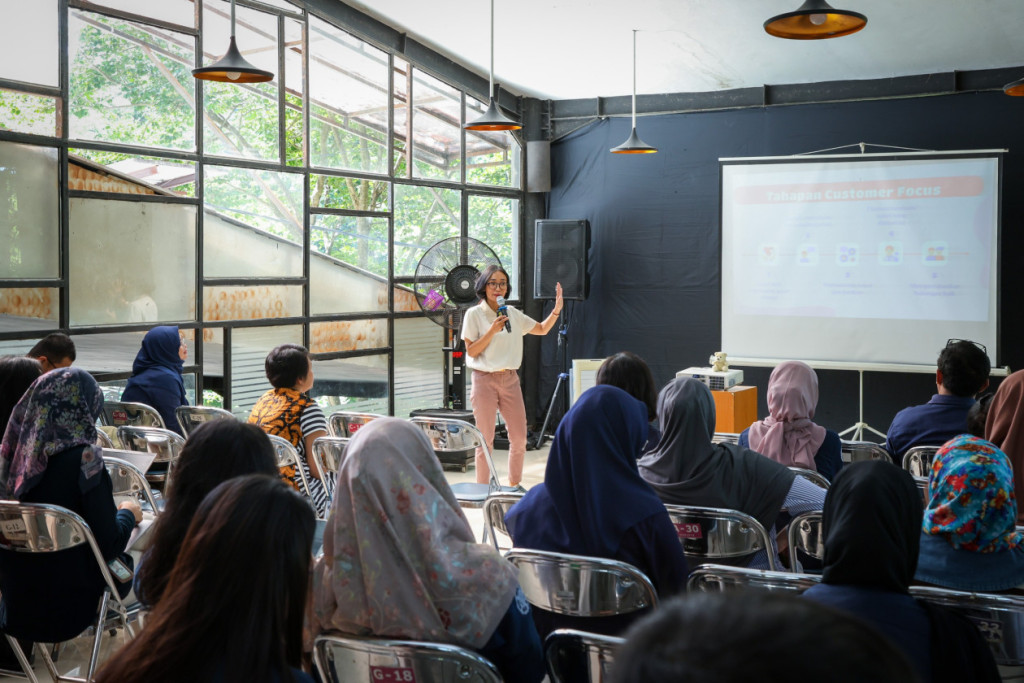
She also reminded participants that PR work requires more than just verbal and written communication skills.
Public relations professionals must be fluent in data, statistics, and performance indicators to communicate in terms that leadership understands.
She encouraged PR staff to build the habit of setting measurable Key Performance Indicators (KPIs).
A data-driven approach, she noted, will elevate the strategic value of PR roles.
“Show the data. Demonstrate that a single PR officer manages hundreds of emails and public inquiries daily. That becomes the foundation for policy decisions,” she asserted, urging participants to recognize the often-invisible value of PR work.
At the end of her session, Dama delivered an essential message to all UGM PR staff: to reevaluate their communication strategies and avoid getting caught in superficial issues.
She also urged that every institutional campaign and narrative should consistently reflect the values of impact and empowerment.
She emphasized that an institution’s brand image is not just a logo or slogan; it reflects values consistently practiced.
For that reason, PR personnel must continually sharpen their social sensitivity to deliver meaningful and accurate institutional messages.
“Let every strength at UGM be directed toward voicing the hopes and futures of Indonesian youth. We are facing a global recession, and what the public needs is concrete action and bold ideas,” she concluded.
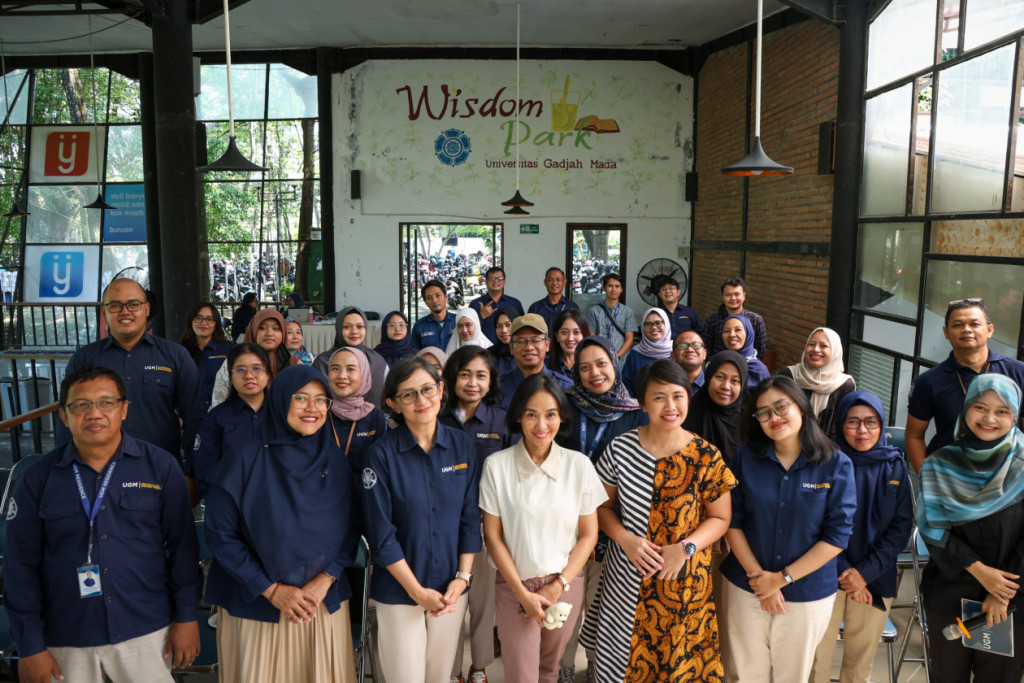
This PR workshop not only enhanced technical skills in public communications but also reaffirmed the strategic mission of public relations as a bridge of trust between institutions and the public.
Amid the challenges of digitalization and social transformation, PR staff are expected to remain relevant, adaptive, and courageous in leading inspiring communications.
By staying customer-focused and demonstrating empathy, UGM’s PR personnel are believed to be capable of preserving the university’s deeply rooted, highly regarded brand image.
General Manager of Gama Residence at UGM, Wiwit Wijayanti, delivered the opening remarks at the event, highlighting the vital role of PR professionals as the face of the institution amid evolving technologies and growing public expectations.
She added that technological advancements and shifts in audience demographics require PR staff to continuously innovate and adapt.
According to her, activities such as this workshop offer a valuable platform for learning and strengthening competencies across units.
Wijayanti emphasized that PR personnel must stay responsive to change and develop communication approaches suited to the times.
“As a former PR officer myself, I understand just how dynamic the PR world is. Every era brings its own set of challenges,” she remarked.
Author: Triya Andriyani
Post-editor: Lintang Andwyna
Photographer: Donnie Trisfian