


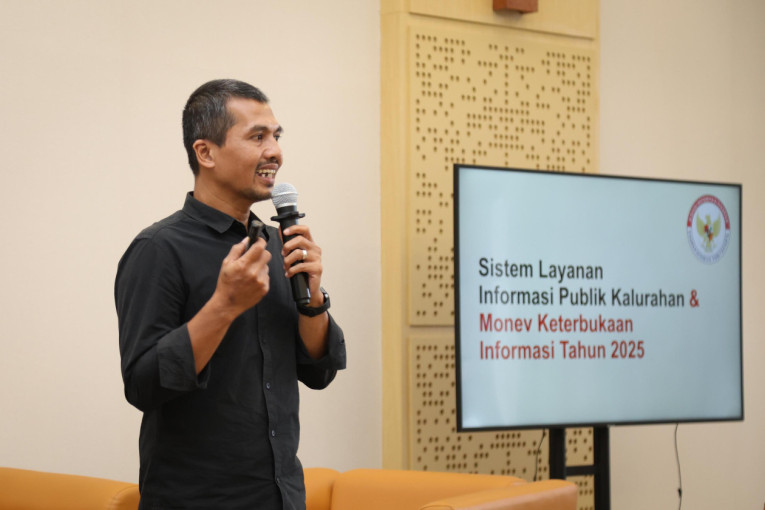
Universitas Gadjah Mada (UGM), through its Information and Documentation Management Officer (PPID), continues to its commitment as an impact-driven institution by organizing a technical guidance program on the implementation of evaluation and monitoring (e-monev) for village-level public information transparency. The initiative is conducted in collaboration with the Yogyakarta Regional Information Commission (KID DIY) and targets three villages (kalurahan) and four districts (kapanewon/kemantren) in the Yogyakarta Special Region (DIY).
Dr. Andi Sandi Antonius Tabusassa Tonralipu, UGM’s Chief PPID, emphasized that public information disclosure is not merely an administrative obligation but a democratic culture that must be instilled even at the village level.
“UGM, as an educational institution, seeks to be directly involved in the transformation process toward transparent village governance. Information transparency is not just a legal obligation; it is the foundation for building public trust,” asserted Dr. Tonralipu during the session held on Monday, Jun. 16, 2025, at UGM’s Central Office Multimedia Room.
Data from KID DIY reveals that public information transparency at the village level remains a serious concern.
Among the evaluated villages (kalurahan), only 1% fall into the “informative” category, while 42% remain “non-informative.”
KID DIY Commissioner Akhmad Nasir underscored the importance of understanding regulations and utilizing digital platforms to ease transparency reporting.
“This e-monev isn’t a competition, it’s a tool to help assess how far villages have progressed in implementing transparency,” he explained.
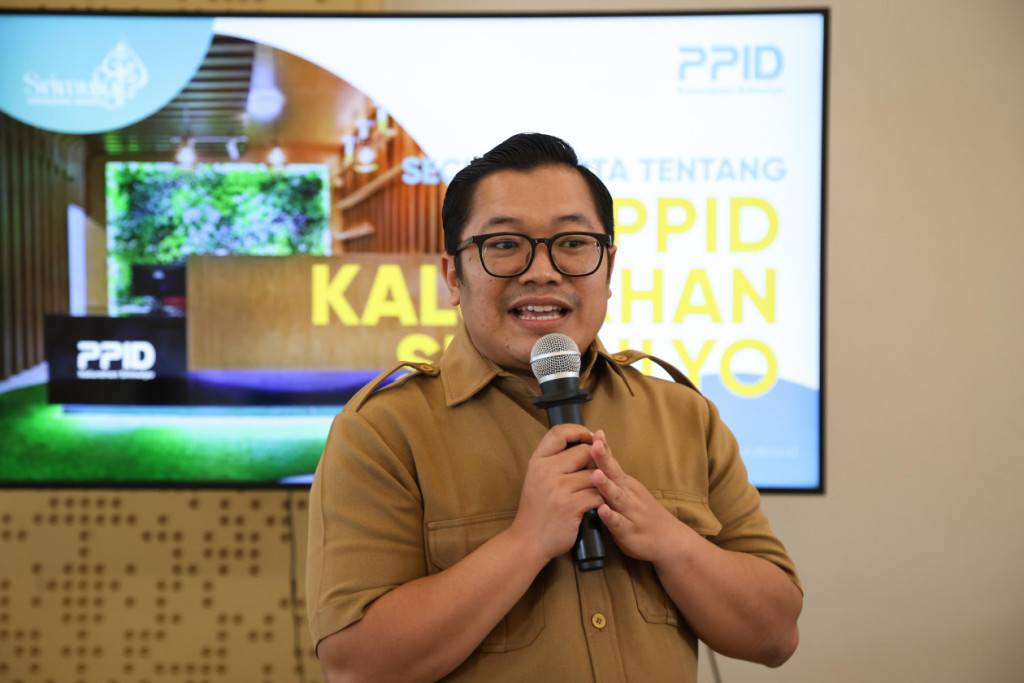
Nurjayanto, Village Secretary of Srimulyo, represented a local government that has successfully advanced its public information system.
In 2023, Srimulyo was recognized nationally as one of the top ten villages in Public Information Transparency (KIP Desa).
According to Nurjayanto, one of the main challenges in promoting public information transparency lies in the limited availability of human resources and technology.
To address this, Srimulyo recruited new staff with expertise in information and communication technology.
The recruitment process received support from UGM’s Faculty of Psychology.
“We were assisted by the Faculty of Psychology in the recruitment process. Given the long tenure of village staff, we needed to be selective from the start. Their support was invaluable,” said Nurjayanto.
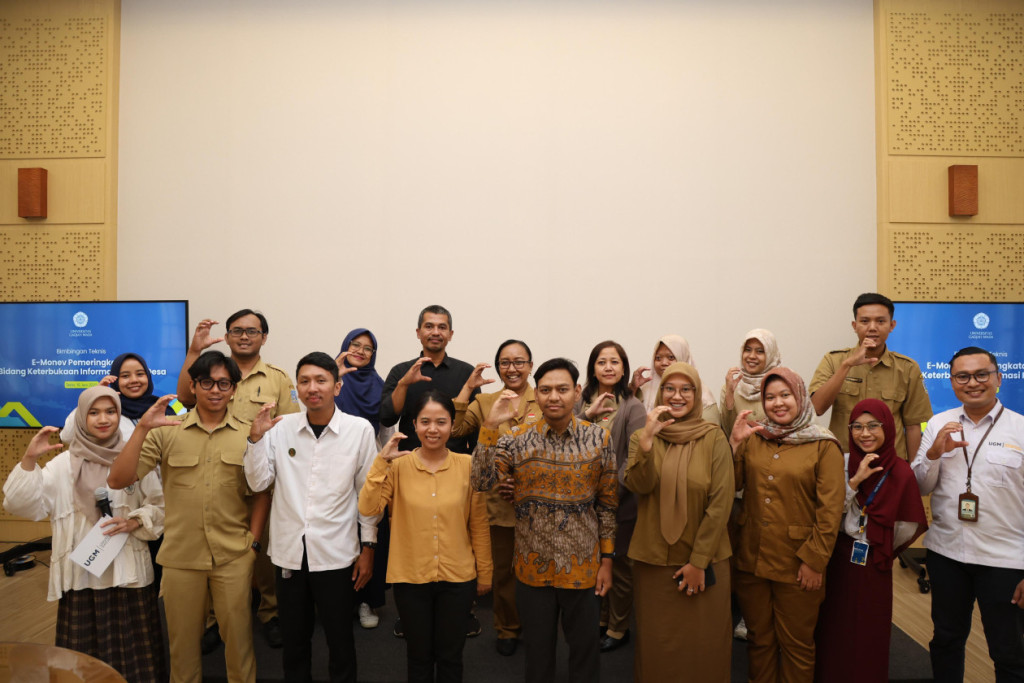
Through this initiative, UGM is not merely acting as a facilitator but also as a strategic partner in building villages’ capacity.
The interdisciplinary approach, faculty involvement, and institutional support are integral to UGM’s strategy to foster tangible change at the grassroots level.
The program is expected to catalyze other villages and subdistricts in DIY to strengthen public information transparency as part of an inclusive, transparent, and accountable governance system.
Author: Rahma Khoirunnisa
Editor: Gusti Grehenson
Post-editor: Lintang Andwyna
Photographer: Donnie Trisfian