


Rising tensions between Iran and Israel have once again drawn international attention, including from Indonesia. The conflict, involving strategic issues such as nuclear weapons ownership, is seen as a threat to regional and global stability. Indonesia’s role in safeguarding international peace and the urgency to strengthen its diplomatic stance amid today’s dynamic geopolitical landscape are essential in fulfilling the national mandate to maintain world peace, as enshrined in the Preamble of the 1945 Constitution.
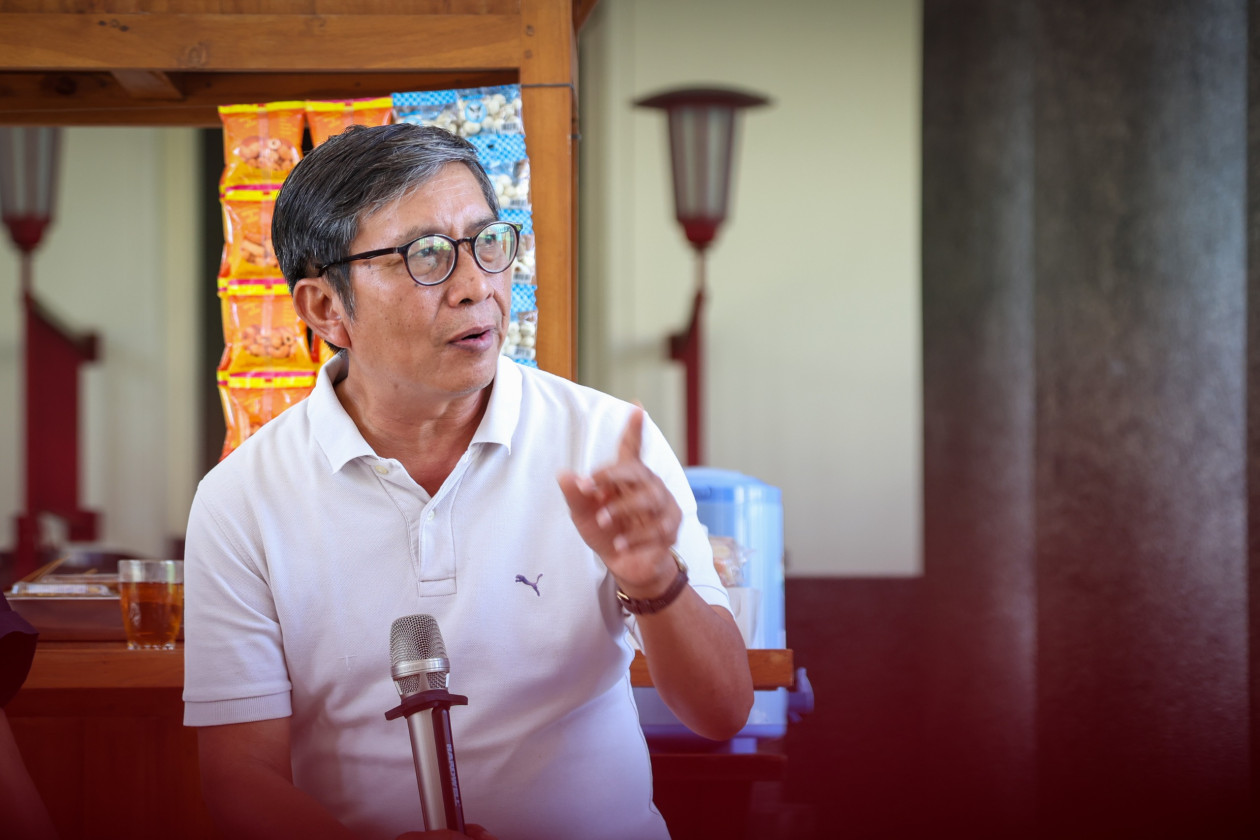
Muhadi Sugiono, lecturer at the Department of International Relations at Universitas Gadjah Mada (UGM) and a member of the International Campaign to Abolish Nuclear Weapons (ICAN), stated that the Iran-Israel conflict is one of the most alarming tensions in the Middle East, as it directly involves the issue of nuclear weapons ownership and use.
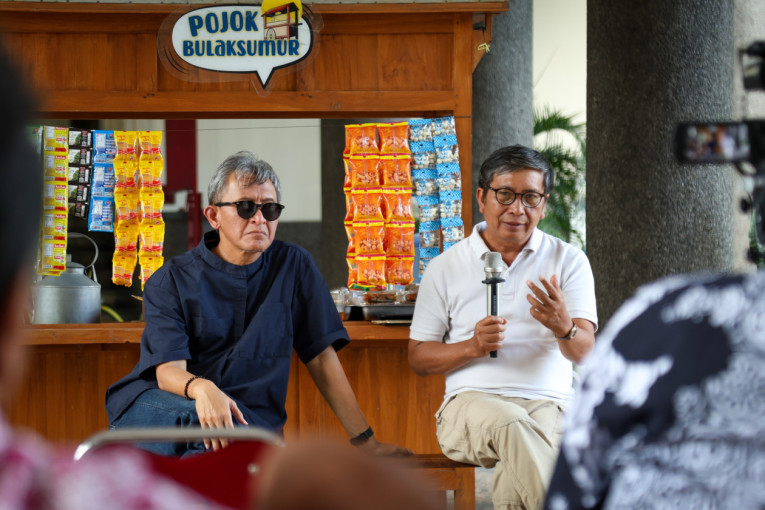
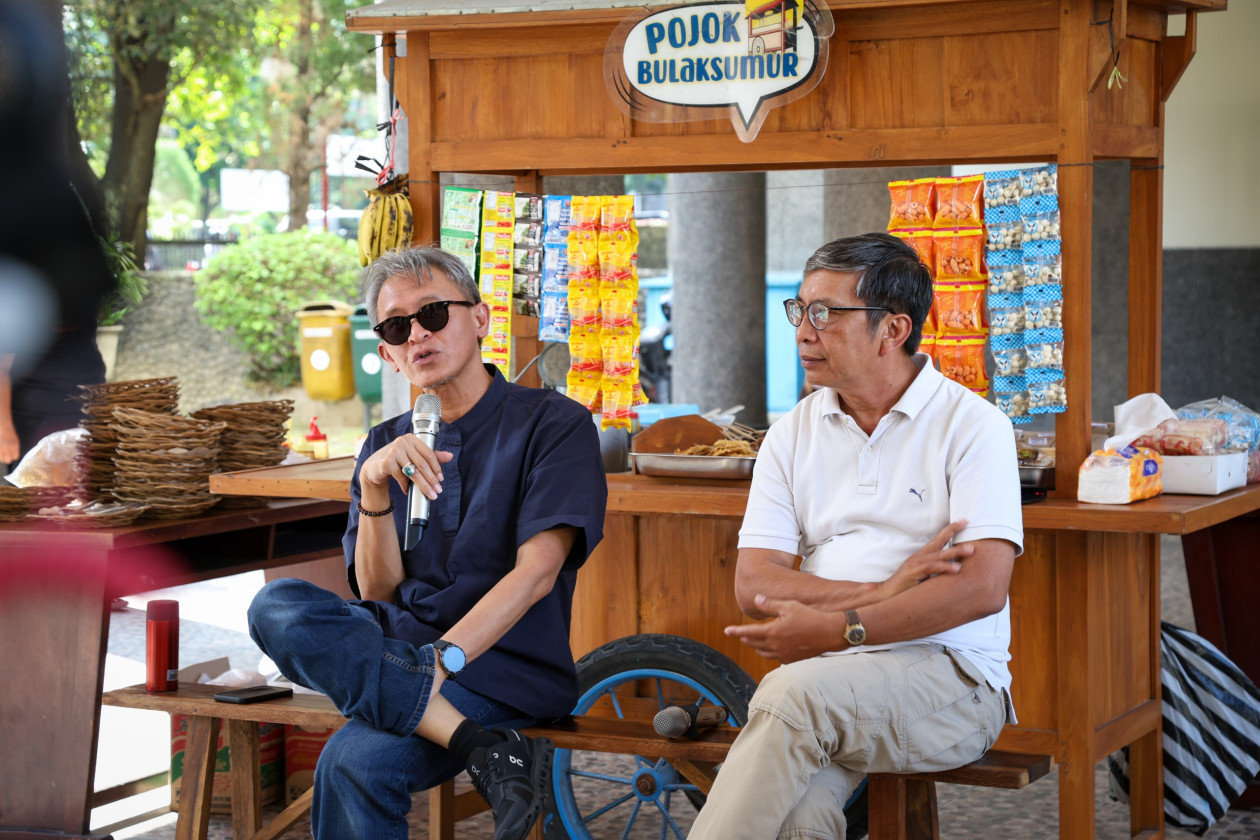
“This conflict is particular because it touches on nuclear issues. Since 1967, the world has made great efforts to prevent countries other than the five official nuclear-armed states under the Non-Proliferation Treaty (NPT) from acquiring nuclear weapons. However, the situation has changed as Iran has been accused of violating the agreement by enriching uranium up to 60 percent,” explained Sugiono during the Pojok Bulaksumur discussion titled Assessing the Impact of the Iran-Israel Conflict: Indonesia’s Diplomacy in Safeguarding Global Peace, held on Thursday, Jun. 26, 2025, at the west corridor of the UGM Central Office.
He explained that Israel’s recent attacks on Iran occurred precisely when the International Atomic Energy Agency (IAEA) released a statement indicating Iran’s non-compliance with its NPT commitments, amidst ongoing nuclear negotiations between Iran and the United States.
“This is a strategic conflict in itself. Israel has always aimed to be the only country in the region with nuclear weapons. Its attacks on various nuclear-related targets in the Middle East over the past two decades reflect this obsession. Iran has become a primary target due to its significant nuclear potential, especially with technological support from Russia,” he added.
Regarding Indonesia’s stance, Sugiono noted that although Indonesia is a major country, it still lacks a clear global strategy in responding to such geopolitical issues.
Nonetheless, he encouraged Indonesia to take a more active role in international forums related to the NPT and to advocate for the fair and non-discriminatory implementation of the treaty.
“Our foreign policy tends to be that of a safe player; we try to maintain distance, avoid interference, yet still wish to contribute to peace. The issue is that we lack the tangible capacity to intervene in conflicts like this,” he remarked.
Meanwhile, sociologist and senior researcher at the UGM Center for Security and Peace Studies (PSKP UGM), Dr. Muhammad Najib Azca, urged the public to view the Iran-Israel conflict in a broader context.
He pointed out that the conflict is an extension of the protracted war between Israel and Palestine, involving several regional actors such as Hamas, Hezbollah, and Syria.
“What we are seeing now is a continuation of an unresolved conflict. Hamas, which serves as Iran’s proxy in Palestine, Lebanon, and Syria, is part of this dynamic. We are currently in a highly uncertain and turbulent global situation,” said Dr. Azca.
He further noted that Indonesia is now facing a global environment marked by extreme uncertainty and high risk, which, in turn, affects the country’s development goals, including food security.
In this context, he emphasized the need for Indonesia to clarify its foreign policy position to avoid being drawn into global political agendas, such as those proposed by the United States through the concept of the “New Middle East.”
He also commented on President Prabowo Subianto’s recent participation in an international forum in Russia, instead of attending the G7 summit in Canada, as a significant gesture signaling Indonesia’s effort to maintain distance from any single global power bloc.
“In my view, this is an important international gesture that reflects Indonesia’s commitment to the free and active foreign policy principle and its openness to cooperate with various global partners,” he explained.
With the conflict escalating in complexity and its global impact increasingly evident, Indonesia is called not only to uphold its free and active principles but also to strengthen its diplomatic capacity and promote peace based on justice and equality on the world stage.
“Without a peaceful resolution, this conflict risks continuing indefinitely and threatening global stability. Indonesia must take a more proactive and courageous role in global diplomacy,” concluded Dr. Azca.
Author: Lintang Andwyna
Editor: Gusti Grehenson
Post-editor: Lintang Andwyna
Photographer: Donnie