


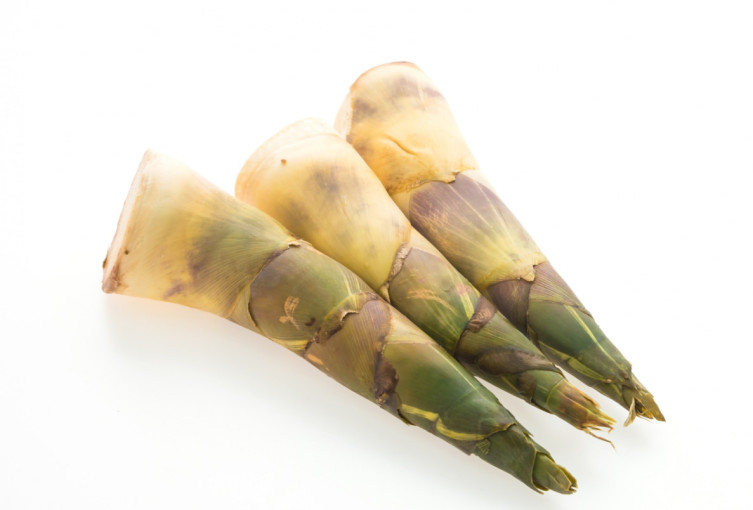
Bamboo shoots, or young bamboo, have the potential for healthy food alternatives. Locals have long utilized them as a food ingredient. In Javanese culinary traditions, bamboo shoots are used as a filling for spring rolls, as an ingredient in sayur lodeh, and as a substitute for jackfruit in gudeg when jackfruit is difficult to obtain. In Sumatra, the Rejang ethnic’s traditional dish is fermented bamboo shoots. Historically, bamboo shoots have been consumed across generations as a sustainably used food source with nutritional value and health benefits.
Professor Agung Endro Nugroho of the Faculty of Pharmacy, Universitas Gadjah Mada (Pharmacy UGM), explained that bamboo shoots contain two main nutritional components required by the human body, namely macronutrients and micronutrients.
From a macronutrient perspective, bamboo shoots are low in calories and fat, contain plant-based protein, and are characterized by their high fiber content. This nutritional profile enables bamboo shoots to inhibit glucose absorption, lower cholesterol levels, and help regulate blood glucose.
“Their glycemic index is relatively low, making them suitable for consumption by individuals with diabetes and those with obesity,” he said on Tuesday (Feb. 3).
In terms of micronutrients, bamboo shoots contain essential minerals such as potassium and magnesium, as well as vitamins including B vitamins and vitamin C. These components support general physiological functions and further reinforce the potential of bamboo shoots as a functional food.
Professor Nugroho also noted that several studies indicate the presence of phenolic compounds and flavonoids in bamboo shoots, which function as antioxidants, as well as phytosterols that help reduce cholesterol levels.
“These compounds also demonstrate potential anti-inflammatory activity,” he said.
However, Professor Nugroho emphasized that bamboo shoots must be properly processed before consumption. Scientifically, bamboo shoots contain cyanogenic glycosides, compounds that can potentially release hydrogen cyanide.
These compounds, however, are unstable when exposed to heat.
“Boiling bamboo shoots for approximately 10–15 minutes and discarding the boiling water can effectively eliminate these potentially toxic substances. Therefore, bamboo shoots are safe for consumption as long as they are adequately processed and not eaten raw,” the expert explained.
He cited research indicating that phenolic and flavonoid compounds in bamboo can inhibit the formation of acrylamide and furan, potentially harmful compounds that may form during high-temperature frying or baking.
“This finding suggests that bamboo, including bamboo shoots, can contribute to food safety when processed appropriately,” he said.
As a country with abundant, readily grown bamboo resources, Indonesia has significant potential to utilize both mature bamboo and bamboo shoots, each with distinct benefits.
When optimally processed and utilized, bamboo shoots may serve as a healthy functional food alternative that is low in calories and high in fiber.
Professor Nugroho noted that bamboo shoots have the potential to be classified as a superfood, as they are nutrient-dense, offer measurable health benefits, and present relatively low risk.
With an appropriate approach, bamboo shoots can contribute not only to public health improvement but also to economic value creation.
“The key lies in proper processing, public education, and utilization based on scientific principles,” he concluded.
Author: Jelita Agustine
Editor: Gusti Grehenson
Post-editor: Jasmine Ferdian
Illustration: Freepik