


Indonesia is currently experiencing a significant shift in its demographic structure, marked by an aging population.
According to data from Statistics Indonesia (BPS), the proportion of older adults in Indonesia reached approximately 12% in 2024 and is projected to continue rising to more than 20% by 2045. This condition signals Indonesia’s entry into the ageing population phase, which simultaneously represents a second demographic dividend.
Denny Agustiningsih, Professor of Sports Physiology at the Faculty of Medicine, Public Health, and Nursing, Universitas Gadjah Mada (FK-KMK UGM), stated that the increasing number of older adults should be viewed not only as a challenge but also as a development potential if supported by appropriate policies, healthcare services, and social support.
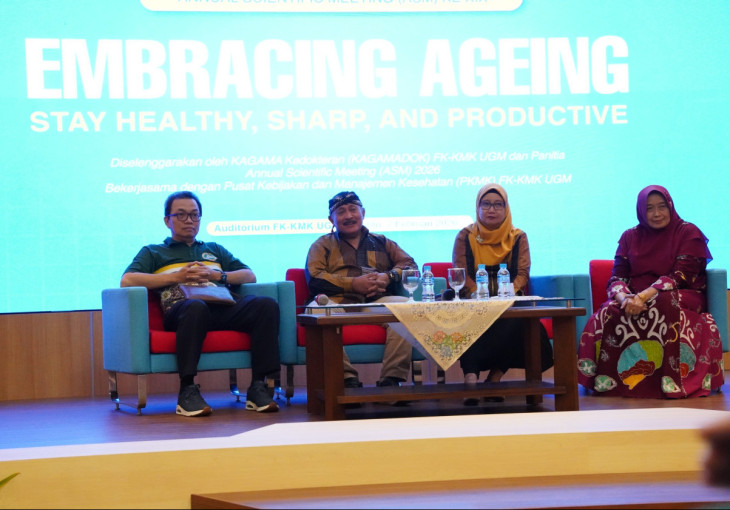
“This second demographic dividend requires preparedness across various sectors to maintain the quality of life of older adults so they remain empowered and able to contribute socially and economically,” said Professor Agustiningsih to reporters during the 19th Annual Scientific Meeting (ASM) held on Saturday (Feb. 7) at the FK-KMK UGM auditorium themed “Embracing Ageing: Stay Healthy, Sharp and Productive,” which emphasized the importance of healthy, active, independent, and productive aging.
According to her, elderly health issues are becoming increasingly relevant, particularly in regions with a high proportion of older adults. She noted that the Special Region of Yogyakarta is currently the province with the highest percentage of the elderly population in Indonesia, followed by East Java and Central Java.
“This condition underscores the urgency of strengthening elderly healthcare services, preventing chronic diseases, and maintaining independence and quality of life in later years,” she explained.
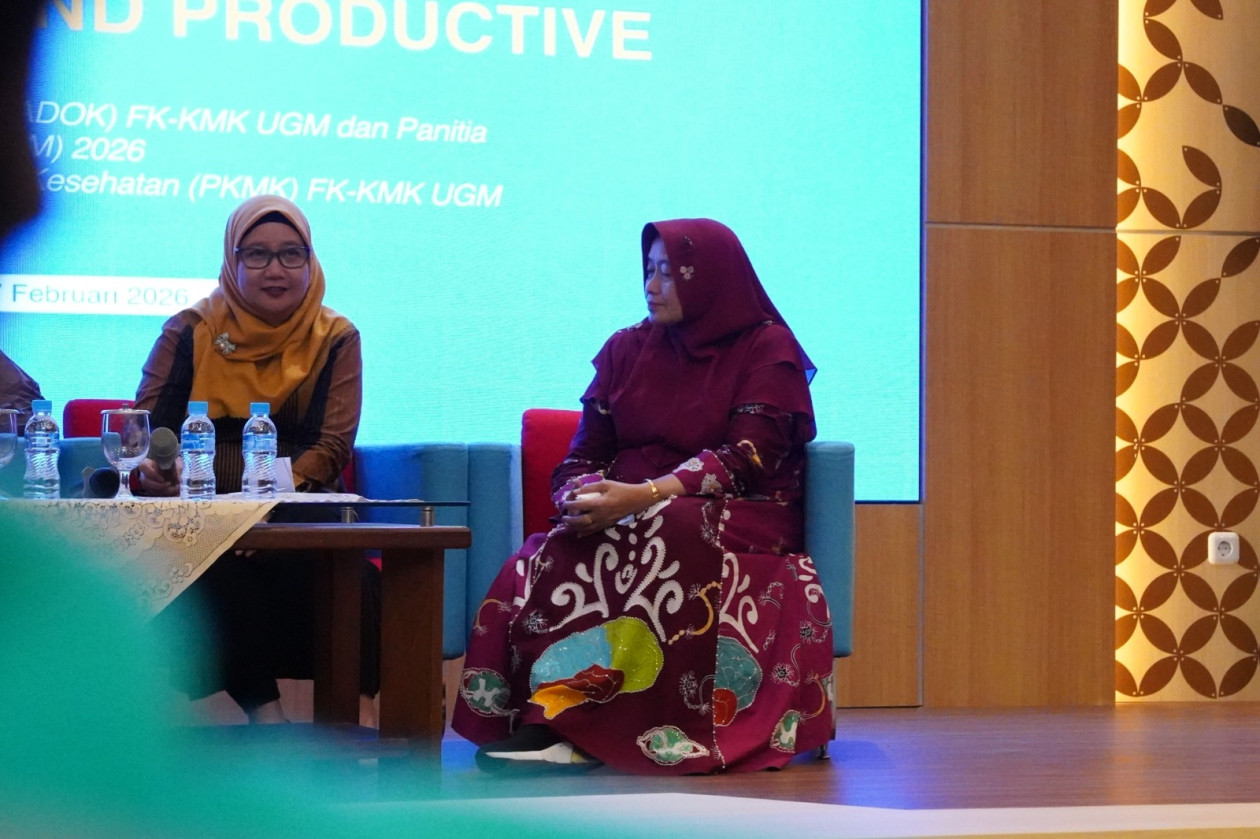
Director of UGM Academic Hospital (RSA UGM) and Chair of Kagamadok, Dr. Darwito, stated that the aging process results from interactions between genetic and environmental factors. Genetic factors determine susceptibility to degenerative diseases and the pace of aging, while lifestyle, physical activity, nutritional intake, and stress management influence gene expression throughout life.
“This understanding serves as an important foundation for developing promotive and preventive strategies for elderly health,” he explained.
Neurologist Dr. Astuti stated that beyond physical and mental health, cognitive function is a crucial aspect of aging. Well-maintained cognitive function allows older adults to think clearly, make independent decisions, adapt to change, and maintain social roles within their families and communities. Efforts to preserve cognitive function also help reduce the risk of dementia, disability, and dependency in old age.
“So the question is how to keep the brain’s capacity optimal. Cognitive function reflects the brain’s ability to think and interact with the surrounding world. A healthy brain builds a strong nation,” she explained.
Dr. Astuti emphasized that productivity in later life holds strategic value for both individuals and society. Active older adults can contribute their experience, knowledge, and wisdom to social and economic activities and serve as role models for younger generations.
“This condition contributes to the creation of a more inclusive and sustainable society amid the growing elderly population,” she said.
ASM 2026 is part of a series of scientific activities commemorating the 80th anniversary of FK-KMK UGM, the 14th anniversary of UGM Academic Hospital (RSA UGM), the 44th anniversary of Dr. Sardjito General Hospital, and the 98th anniversary of Dr. Soeradji Tirtonegoro General Hospital.
This momentum reaffirms the commitment of educational and healthcare institutions to advancing knowledge, education, and health practices aligned with community needs, particularly those of older adults.
Author: Leony
Editor: Gusti Grehenson
Post-editor: Rajendra Arya
Photographer: Jesi