


Higher education institutions in Indonesia are being called upon to remain adaptive and uphold integrity amid the challenges posed by advances in artificial intelligence and global economic shifts.
However, the academic incentive system for lecturers remains a major challenge, as authority is still largely measured by metrics such as citations, indices, and similar indicators. As a result, much research tends to prioritize administrative compliance over delivering tangible benefits to society.
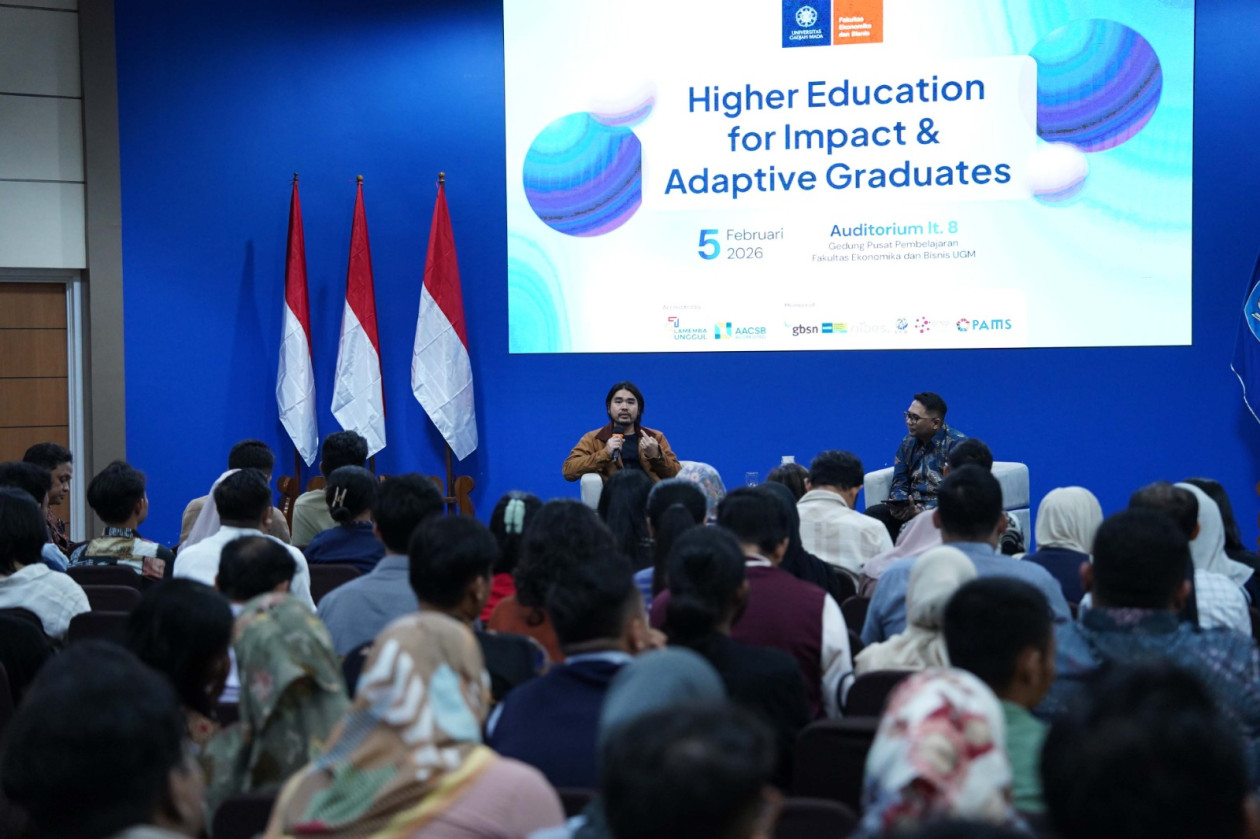
This issue was raised during a talk show titled “Higher Education for Impact & Adaptive Graduates” held at the Faculty of Economics and Business Universitas Gadjah Mada (FEB UGM) recently.
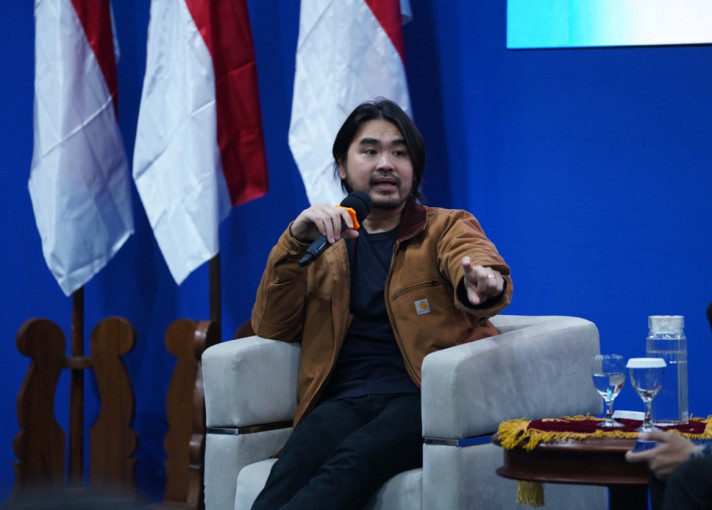
The event, organized by FEB UGM, featured Dr. Bagus Mulyadi, an Assistant Professor at the University of Nottingham in the United Kingdom.
Dr. Mulyadi highlighted the disconnect between university research and real societal conditions. In fact, communities require sustainable and contextually relevant benefits. However, government policies that assess universities based on the quantity of community service programs or research outputs have fueled competition centered on metrics rather than impact.
“The central government’s imagination of research differs from that of the regions, resulting in divergent ways of thinking,” he said.
According to Dr. Mulyadi, several persistent issues hinder the production of impactful research in Indonesia. One key challenge is the lack of continuity and alignment between communities and institutions committed to advancing research. Building such alignment takes time.
“What I aim to do now is build incentives so that regions develop a sense of ownership over research,” he explained.
He noted that Yogyakarta, for instance, is historically recognized as a center of earth sciences. This should position the region as a significant symbol of global earth sciences. However, post-colonial mindsets that frame Indonesia’s global contribution solely in terms of exoticism and orientalism have limited the broader public’s understanding of its intellectual potential.
Dr. Mulyadi further observed that public perceptions of leadership in Indonesia often involve misunderstandings. Many people normalize the notion that change must come solely from leaders; when leadership is perceived as ineffective, the tendency is to demand a change in leadership. In reality, meaningful change can begin with self-reflection and personal responsibility.
“There is a flawed mindset that normalizes ignorance as an inherent trait, leading to a lack of significant change, when in fact transformation starts from within,” he remarked.
He added that individuals should cultivate critical thinking and maintain curiosity across various fields of knowledge. Many prominent global figures adopted such an approach and developed expertise across disciplines, such as Leonardo da Vinci.
“When someone is genuinely interested in a phenomenon, they naturally think across disciplines. The separation of academic disciplines is merely a human construct shaped by the Industrial Revolution,” Dr. Mulyadi concluded.
Author: Jesi
Editor: Gusti Grehenson
Post-editor: Rajendra Arya
Photographs: FEB UGM