


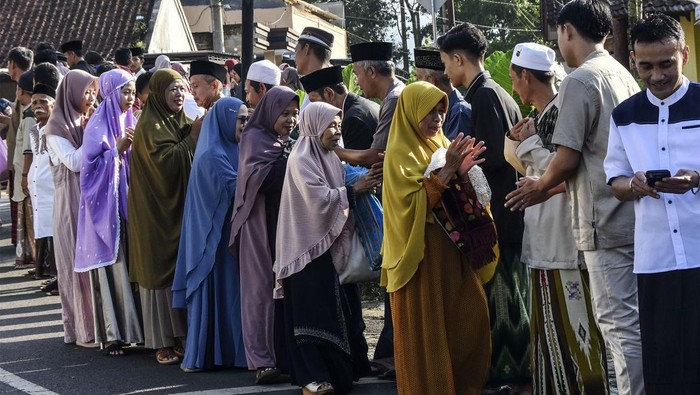
Eid al-Fitr in Indonesia has distinctive characteristics that set it apart from celebrations in other Muslim-majority countries. In Indonesia, Eid al-Fitr is closely associated with returning home and gathering with family. This phenomenon is deeply rooted in Indonesian culture, which highly values ancestral heritage and kinship.
A Cultural Anthropology lecturer at UGM, Dr. Sita Hidayah, S.Ant., M.A., known as Sita, explained that the essence of Eid in Java is closely tied to the Nyadran tradition, or grave pilgrimage, which is observed before Ramadan. Some urban communities observe this tradition by visiting graves and performing sungkeman, a gesture of seeking blessings from and showing respect to elders, during Eid. This moment is also an important opportunity to maintain social harmony within communities.
“The traditions of halal bihalal and sungkeman reflect kinship and respect for elders. Local cultures influence how Eid is celebrated in each region,” Sita said.
According to Sita, the trend of wearing new clothes and family outfits during Eid al-Fitr is a natural social perception. This phenomenon is also supported by society’s improving economic capacity and is interpreted as an expression of joy and unity in gathering with family, an occasion that takes place once a year.
Furthermore, Sita noted a noticeable shift in the values associated with Eid, particularly regarding consumerism. In the past, wearing new clothes during Eid was considered something very special. However, today, some people tend to emphasize display and trends.
“Eid al-Fitr should be a meaningful moment to remind us not only to improve our relationship with God but also with those closest to us, fostering togetherness and stronger social solidarity,” she said.
Author: Jesi
Editor: Gusti Grehenson
Post-editor: Zabrina Kumara
Photo: Antara