


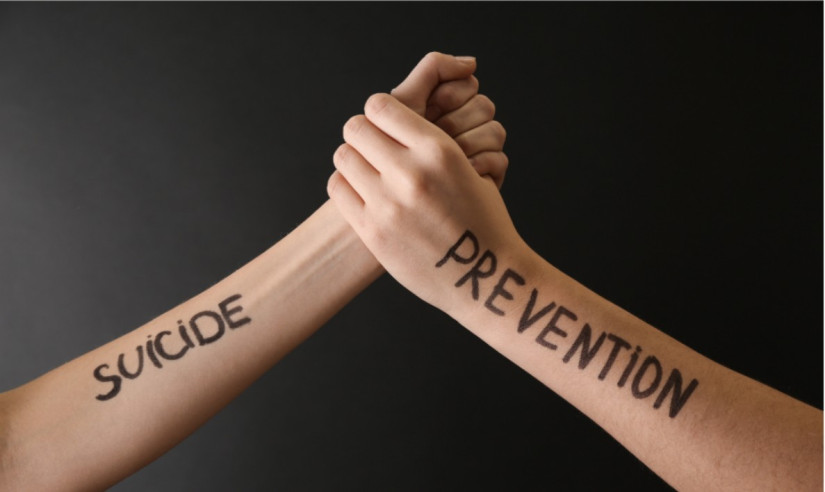
Two employees in West Java Province were found dead by suicide on the same day, Wednesday (Feb. 11), in Karawang and Bandung. The events shocked people of West Java and left sorrow for the victims’ families. According to the National Criminal Information Center (Pusiknas) of the Indonesian National Police Criminal Investigation Agency (Bareskrim Polri), 1,270 suicide cases have been recorded in Indonesia since November 7, 2025, with an average of more than 100 cases per month, a peak in October 2025, reaching 142 cases.
Worryingly, around 7.66% of suicide cases involve adolescents under 17 years old. The age group most vulnerable to suicide is within the productive years, aged 30–59, with approximately 594 cases. Pusiknas also identified five professional categories with the highest suicide cases. Farmers rank first with 107 cases, followed by private-sector employees with 91 cases and entrepreneurs with 83 cases. Meanwhile, 54 cases involved daily wage laborers, and 50 cases were found among school and university students.
Responding to the cases, the Manager of the Center for Public Mental Health (CPMH) at Universitas Gadjah Mada, a psychologist, Nurul Kusuma Hidayati, emphasized that the data represent only part of the picture, not the full scope.
According to her, suicide reporting in Indonesia remains relatively low, with significant underreporting, meaning the actual number of unreported cases may exceed current official figures.
“In 2025, suicide cases have surpassed 1,000 in Indonesia. This should serve as a serious wake-up call for society,” she said on Thursday (Feb. 26).
Nurul explained that the phenomenon highlights several critical issues arising from increasingly complex psychological pressures.
“Economic burdens, psychological strain, social demands, as well as pressures stemming from lifestyle expectations and high aspirations that are not well managed, reflect the complexity of today’s social conditions,” she noted.
She further emphasized that not all individuals experiencing mental health problems or disorders have adequate access to psychological services. According to her, suicide statistics are not merely numbers but signal an urgent need to enhance mental health literacy and to develop an integrated mental health system encompassing promotion, prevention, treatment, and rehabilitation efforts across family settings, communities, schools, workplaces, and public health services.
Regarding the prevalence of suicide among individuals in their productive years, Nurul stated that this life stage is generally productive but filled with heavy responsibilities. It is often described as a “dual responsibility” phase, where career demands peak while responsibilities toward oneself and family also peak.
In this age group, pressures often do not stem from a single issue but from the accumulation of chronic stress, unavoidable responsibilities, and limited safe spaces to express emotional exhaustion.
“During these productive phases, individuals are more vulnerable to mental health problems or disorders, which may lead them to consider extreme actions as a perceived solution,” said the lecturer from UGM’s Faculty of Psychology.
In communal societies like Indonesia, social bonds are intense, and reputation and public perception carry significant weight. Under such conditions, stigma surrounding mental health easily arises. Mental health issues are often perceived as a family disgrace or as a failure in upbringing. As a result, individuals tend to withdraw, feeling they lack safe spaces to share their struggles.
“Social stigma remains the greatest barrier. Low mental health literacy, the belief that people in their productive years must be resilient at all times, and fear of being perceived as weak discourage individuals from accessing psychological services,” she explained.
To effectively prevent suicide, systematic efforts involving all stakeholders are essential, including families, communities, workplaces, educational institutions, and policymakers.
“According to the World Health Organization, effective suicide prevention must be community-based and multisectoral. It is a shared responsibility,” she emphasized.
Nurul suggested several preventive measures within social environments. At the family level, adults must act as “safe adults,” providing secure spaces for all family members. In schools, mental health literacy still needs to be strengthened. Finally, access to mental health services must be expanded and distributed more evenly across regions.
She added that with family care, community empathy, responsive government policies, and available professionals, a strong mental health foundation can be established.
“Suicide prevention is not merely a heroic act of saving a single life. It is far more complex; it is a systemic effort to create a society where people feel safe, supported, and not abandoned,” she concluded.
Author: Diyana Khairunnisa
Editor: Gusti Grehenson
Post-editor: Jasmine Ferdian
Photo: PKBI East Java