


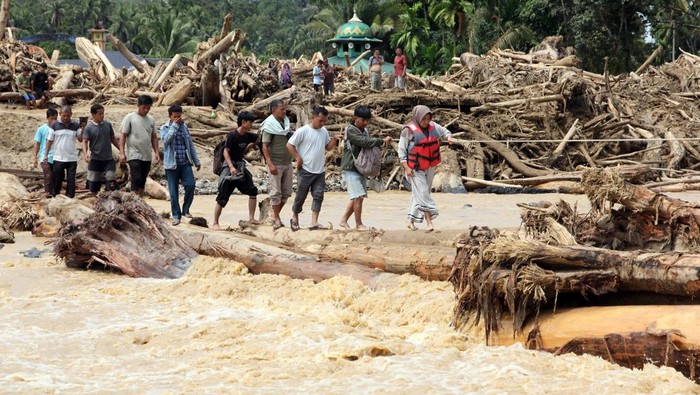
The major floods that struck Aceh, North Sumatra, and West Sumatra in late November once again underscored how vulnerable communities become when extreme weather persists for days. Many areas quickly turned into emergency zones, forcing residents to act swiftly to save themselves. These conditions show that hydrometeorological disasters carry social impacts far deeper than flooding alone. The events serve as a reminder that the climate crisis now demands stronger, more coordinated social responses.
UGM sociologist Dr. Arie Sujito described the severe flooding as a serious sign that risk governance has not been functioning as it should in many regions.
He assessed that the threats of climate change and ecological degradation are becoming increasingly real and cannot be underestimated. The situation also reveals weak state consolidation in responding to large-scale disasters.
“This reflects serious challenges in state consolidation and the threat of ecological degradation,” said Dr. Sujito on Wednesday (Dec. 3).
According to Dr. Sujito, communities in Sumatra have long experience in dealing with disasters, including the organic development of community solidarity. However, he observed that many groups remain in vulnerable positions due to economic conditions and where they live.
Residents living along riverbanks or in buffer zones often have no choice but to remain in high-risk areas. When disasters strike, they suffer far more severe impacts.
“Many economically disadvantaged residents living along riverbanks become the most vulnerable groups,” he said.
Dr. Sujito also highlighted the link between social inequality and the disproportionate impacts of disasters on certain groups. He explained that limited access to basic services and social protection exacerbates conditions on the ground.
Rapid-onset disasters place compounded pressure on low-income communities. He stressed that this situation must be viewed as a major issue requiring a serious state response.
“Disasters like this always hit economically vulnerable groups the hardest,” Dr. Sujito noted.
Community solidarity remains a key pillar in the early phase of disasters, especially when official assistance has not yet fully arrived. Communities mobilize to open safe spaces, gather logistics, and support the basic needs of others in distress.
According to Dr. Sujito, this strength of social solidarity is a valuable asset, but it is insufficient without strong state support. Given the scale of the disaster, the government’s role remains decisive.
“Solidarity grows strong, but large-scale disasters still require the state’s role with substantial resources,” he emphasized.
He assessed that the state must prioritize evacuation, basic needs, and the provision of temporary shelters as urgent measures that cannot be delayed. Ensuring access to food, clean water, medicines, clothing, and safe living spaces is the foundation of recovery.
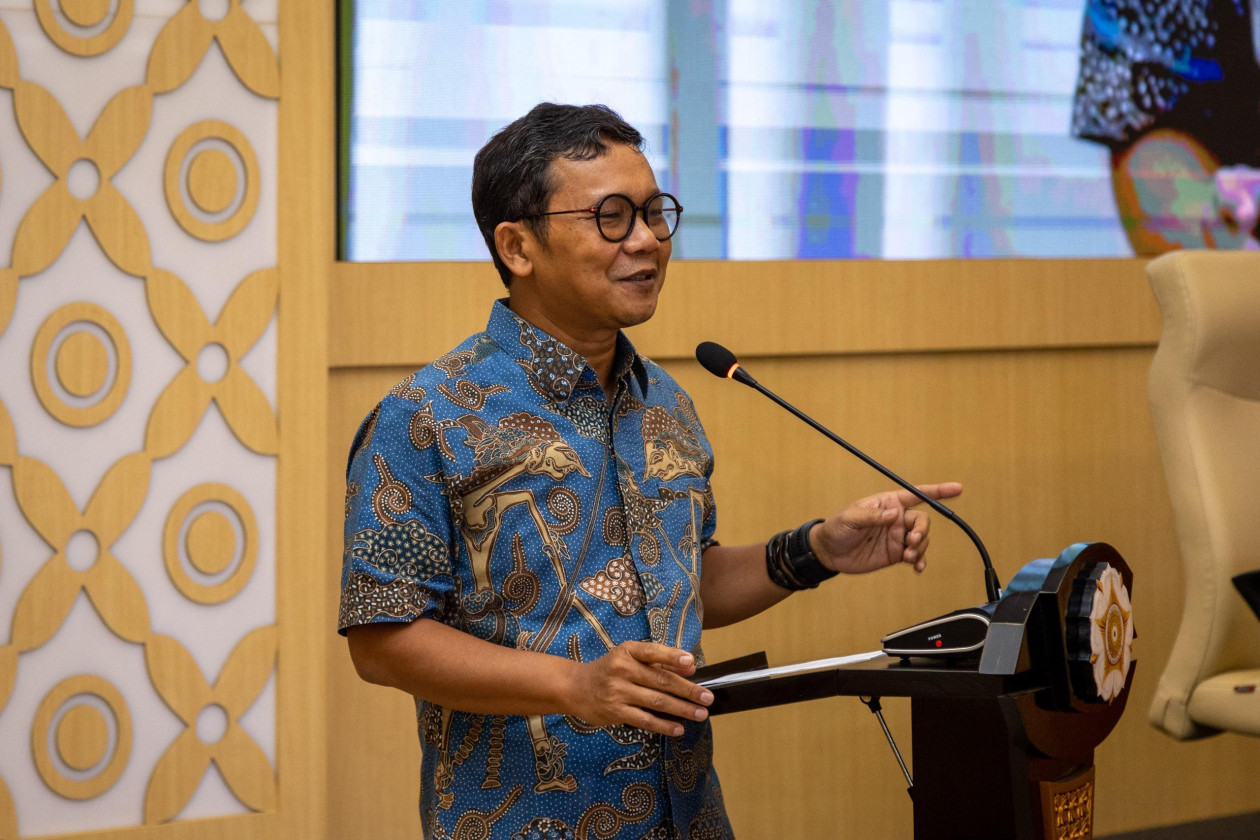
Dr. Sujito stressed that these steps must be accompanied by clear medium-term planning to help communities recover more quickly. Social recovery requires robust logistical support and strong cross-sector coordination.
“The state must play a major role in protecting communities, from evacuation through the fulfillment of basic needs,” Dr. Sujito said.
In the post-disaster phase, Dr. Sujito warned that social trauma often emerges alongside the physical losses experienced by residents. Therefore, recovery should not stop at rebuilding homes or public facilities, but must also include efforts to restore a sense of safety and community resilience.
He emphasized the need for swift support services to prevent communities from becoming trapped in prolonged post-crisis conditions. For Dr. Sujito, this experience reinforces the importance of stronger cross-sector planning.
“Crises like this demand integrated performance from the central government, local governments, and cross-sector stakeholders,” he concluded.
Author: Triya Andriyani
Post-editor: Salma
Photographs: Donnie Trisfian and Antara