


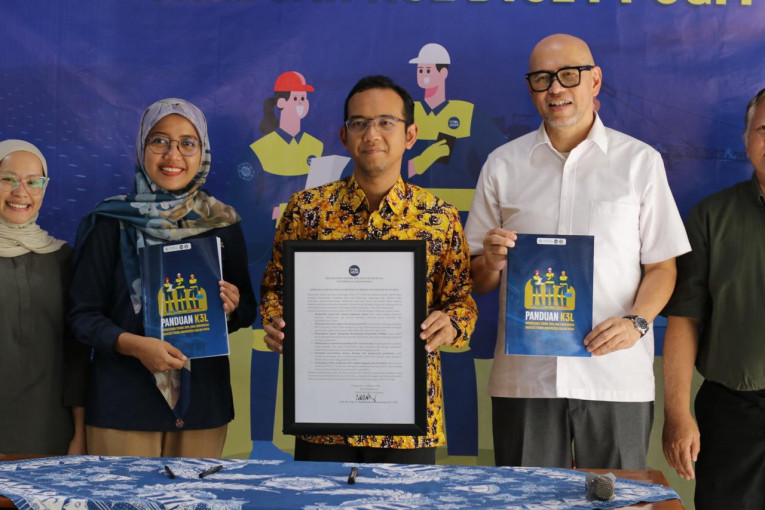
The Department of Civil and Environmental Engineering, UGM Faculty of Engineering (FT UGM), has launched a Health, Safety, Security, and Environment (HSSE) Guidelines. The launch serves as a set of guidelines, regulations, and technical procedures designed to manage risks in the workplace. The primary objective is to protect employees, contractors, guests, and the surrounding environment from potential hazards, injuries, or damage arising from operational activities.
The launch of the HSSE Guidelines within the Department of Civil and Environmental Engineering, FT UGM, was officiated by the Head of the Department, Professor Muhammad Zudhy Irawan. According to Professor Irawan, the HSSE guideline is crucial in creating a healthy work environment free from occupational accidents and work-related illnesses, as well as preventing environmental pollution to enhance productivity.
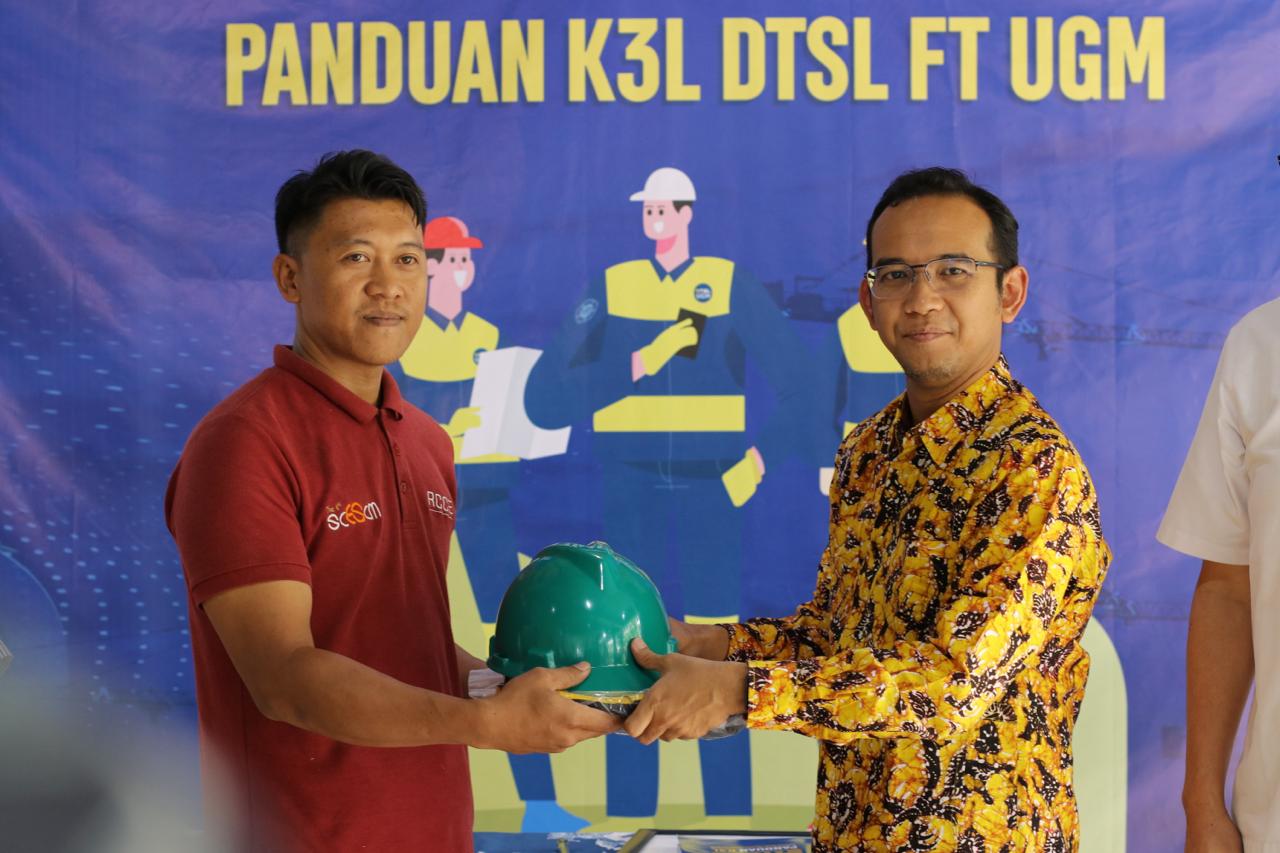
“This is a very positive initiative, as it allows us to cultivate a campus culture rooted in HSSE principles. We are starting within the Department of Civil and Environmental Engineering and will later disseminate it to other departments within the Faculty of Engineering UGM. The HSSE course has already been adopted by other departments,” he said on Thursday (Feb. 19).
Professor Danang Parikesit welcomed the launch of the HSSE Guideline within the department. He explained that the initiative was partly motivated by a situation he once encountered while walking from the parking area to his office. At that time, he noticed piles of construction waste materials that were not fenced off.
“Unfortunately, they were not properly fenced, making it difficult to distinguish between more hazardous and less hazardous materials. Yet in our classrooms, we teach students about these safety principles. That is why I asked for greater attention to matters like this,” he said.
For Professor Parikesit, the launch of the HSSE Guideline within the Department of Civil and Environmental Engineering, FT UGM, reflects the responsibility of the department’s core expertise groups, particularly those engaged in construction services. By developing a project ecosystem that is healthy, safe, and environmentally responsible, the department hopes to set an example for itself, its students, and broader stakeholders.
“This will certainly promote health, safety, and environmental protection, including safeguarding workers. The guideline must be followed by all parties operating in the area, including formal employees, contractors, and visitors,” he added.
Author: Agung Nugroho
Post-editor: Zabrina Kumara Putri
Photo: Salwa