


Mental health is a universal issue across all age groups and genders. Introducing mental health awareness from an early age is crucial to supporting children’s optimal development. Mentally healthy children are more likely to grow into resilient adolescents and productive adults and to experience meaningful aging.
The latest data from the Ministry of Health of the Republic of Indonesia (2023) reveal that around 20 percent of Indonesia’s population, or approximately 54 million people, experience emotional mental disorders, and 9.8 percent of adolescents have had thoughts of suicide.
However, only 8 percent of those affected receive professional treatment. Moreover, based on the 2022 Indonesia National Adolescent Mental Health Survey (I-NAMHS), which measured the prevalence of mental disorders among adolescents aged 10–17 years, around 15.5 million Indonesian adolescents were found to have mental health problems.
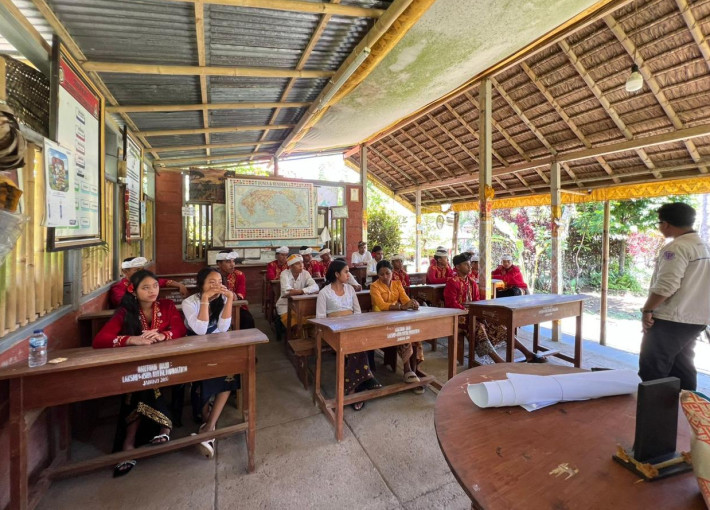
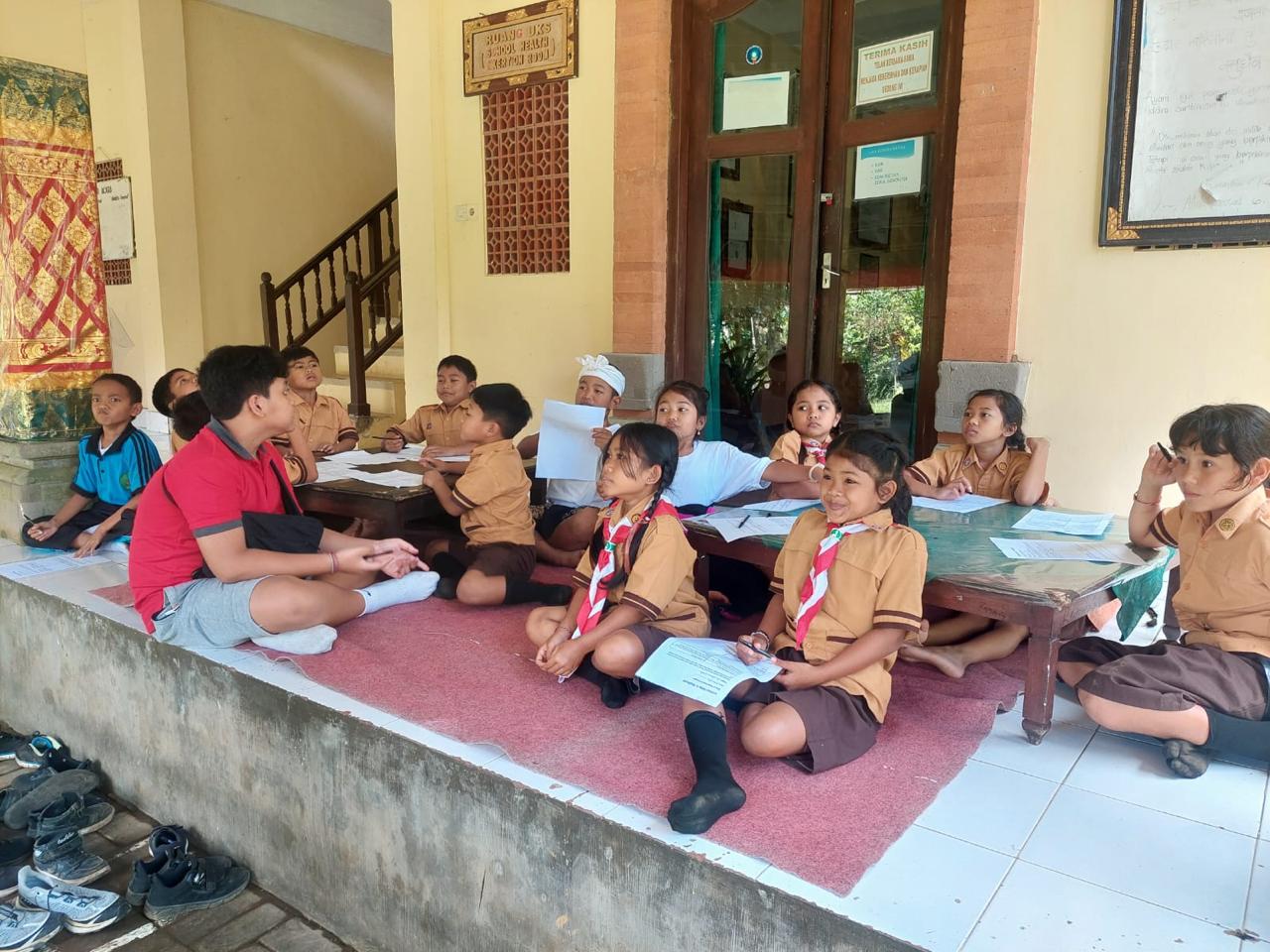
The Faculty of Psychology of Universitas Gadjah Mada (Psychology UGM), in collaboration with the Universitas Gadjah Mada Psychology Alumni Association (Kapsigama), introduced mental health strengthening initiatives for children and adolescents at the Gurukula Pasraman Foundation in Bangli, Bali, on Saturday (Jan. 31).
The activity was attended by all Gurukula Pasraman students from kindergarten through senior high school, as well as members of Kapsigama, lecturers, and students from the Psychology Study Program at Udayana University.
Chair of Kapsigama, Prabaswara Dewi, said that this community service activity broadened students’ insights and awareness of mental health, building personal resilience and encouraging mutual care.
“We want to build networks for children and adolescents to improve mental health,” Dewi said in a statement released on Wednesday (Feb. 4).
Dean of Psychology UGM, Dr. Rahmat Hidayat, welcomed the initiative to introduce mental health awareness for children and adolescents carried out by UGM alumni.
Dr. Hidayat noted that, with more than 375,000 UGM graduates across national and international regions, alumni represent significant potential to continue making tangible contributions to national development.
One such contribution is supporting programs to strengthen the mental health of children and adolescents.
“We can introduce more mental health strengthening initiatives to children and adolescents in Eastern Indonesia. This year, the Faculty of Psychology and Kapsigama are starting from Bali,” he said.
Chair of the Gurukula Pasraman Foundation, I Wayan Arsada, also welcomed the mental health outreach program for students. This collaboration is expected to encourage teachers and adults to prioritize students’ mental health.
“I also hope this will open up further spaces for discussion on children’s mental health here,” he said.
The outreach program was conducted in collaboration with the Psychology Program of the Faculty of Medicine, Udayana University.
As chair of the organizing committee, Dr. Ni Made Swasti Wulanyani expressed her happiness and pride in collaborating on and contributing to this community service activity.
She hoped this joint effort would strengthen alumni networks. She also highlighted participants’ enthusiasm, including those from Cendekia Harapan School and alumni based in Bali who took part in the program.
In addition to discussions, the program featured the launch of books by Psychology UGM alumni.
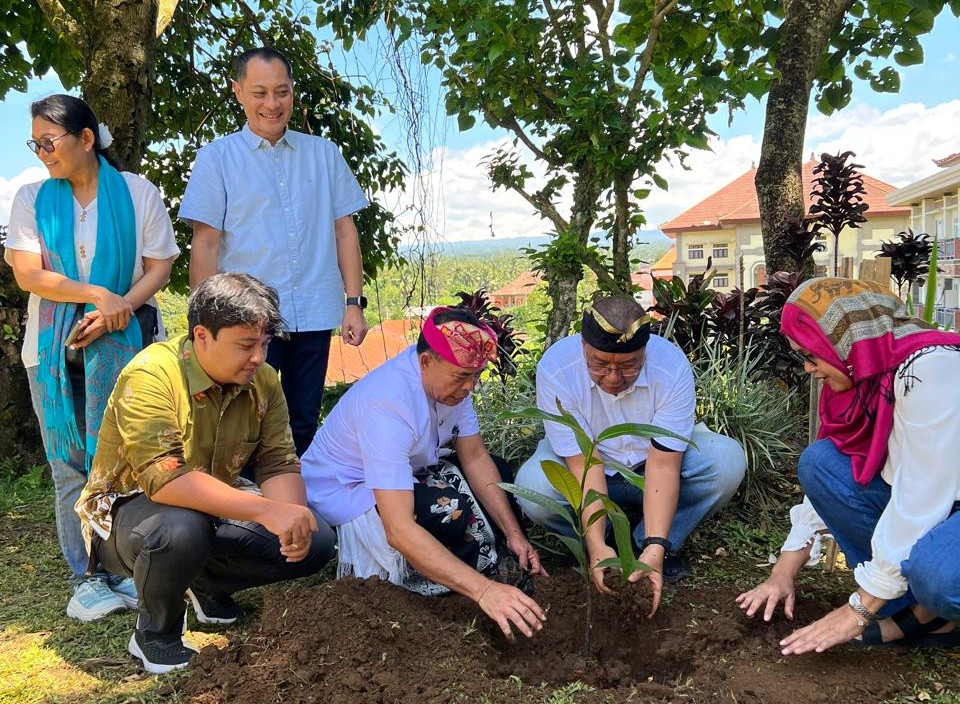
This was followed by the awarding of Kapsi-Sayang scholarships from Kapsigama to UGM Psychology students in need. The event concluded with the planting of mangosteen trees in the courtyard of Gurukula Pasraman.
Author: Hanifah
Editor: Gusti Grehenson
Post-editor: Jasmine Ferdian
Photographs: Kapsigama