


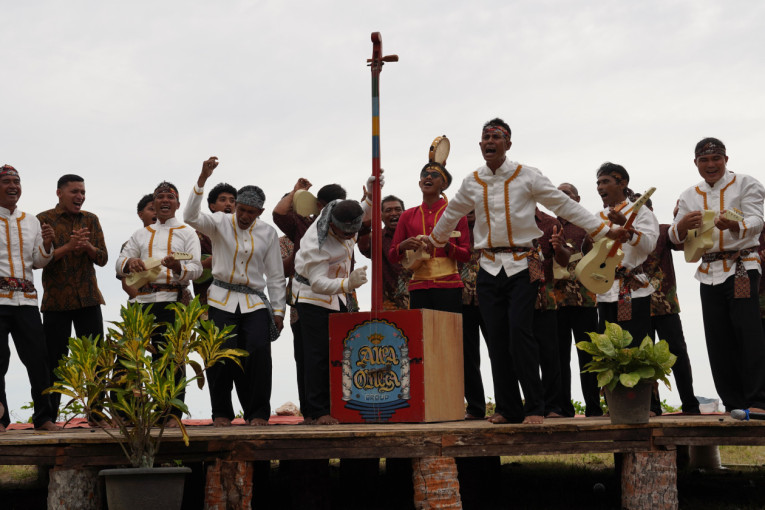
The Community Service Program (KKN-PPM) of Universitas Gadjah Mada (UGM), Kita Morotai team, successfully organized the 2026 Rao Rayo Festival in Posi-Posi Rao Village, Rao Island District, Morotai Island Regency, North Maluku, last Thursday (Feb. 5).
The annual festival, themed “Celebrating Coastal Cultural Traditions,” served as a platform to celebrate coastal culture while strengthening local identity. The event involved five villages: Posi-Posi Rao, Saminyamau, Leo-Leo, Aru Burung, and Lou Madoro.
A series of activities was centered at the village harbor area, which was transformed into an open cultural stage. The festival reflects collaboration among KKN students, the local government, and the community in sustaining traditions.
The Team Supervisor of the Kita Morotai, Dr. Atrida Hadianti, explained that the festival grew out of cross-period mentoring focused on culture-based empowerment. She believes that spaces of expression such as this can strengthen social cohesion while opening opportunities for the creative economy.
Over three KKN periods, students and residents built intensive communication to ensure the festival’s continuity. According to her, coastal culture holds historical and philosophical values relevant to regional development.
“The Rao Rayo Festival is not merely intended to attract tourists, but to strengthen brotherhood in preserving culture as a representation of Bhinneka Tunggal Ika,” said Dr. Hadianti on Thursday (Feb. 12).
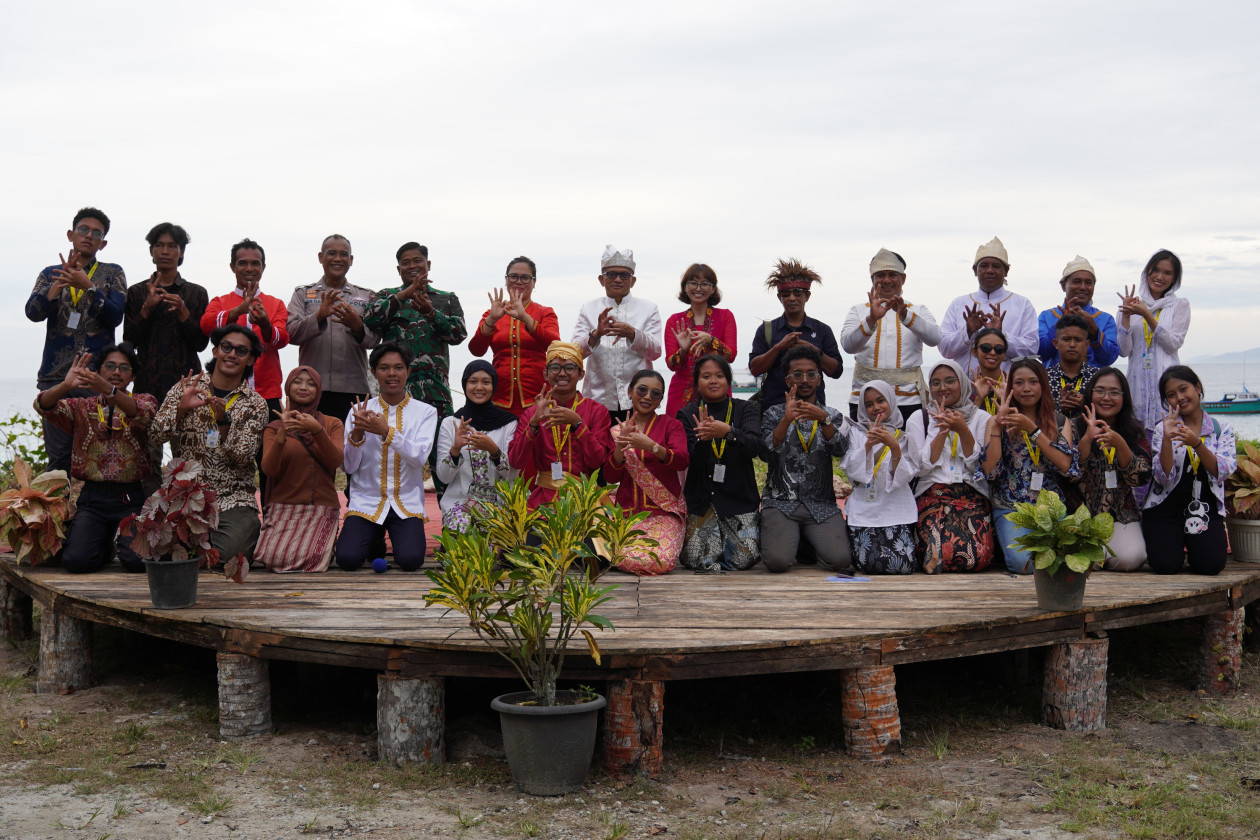
Appreciation also came from the Morotai Island Regency Government, which views the festival as a model of synergy between academics and the community. The Regional Secretary of Morotai Island Regency, Muhammad Umar Ali, stated that the festival’s sustainability demonstrates a strong collective commitment.
Umar Ali noted that its consistent implementation over the past three years serves as an indicator of successful community-based empowerment. The local government sees this initiative as aligned with efforts to strengthen local identity and promote sustainable development.
“Holding this event for the third time shows consistency in community development and empowerment,” he remarked.
At the district level, support for the festival was also emphasized to nurture pride among the younger generation. Rao Island District Head, Sherly Tamadarage, stated that coastal culture is both a social asset and an economic potential that must be managed seriously.
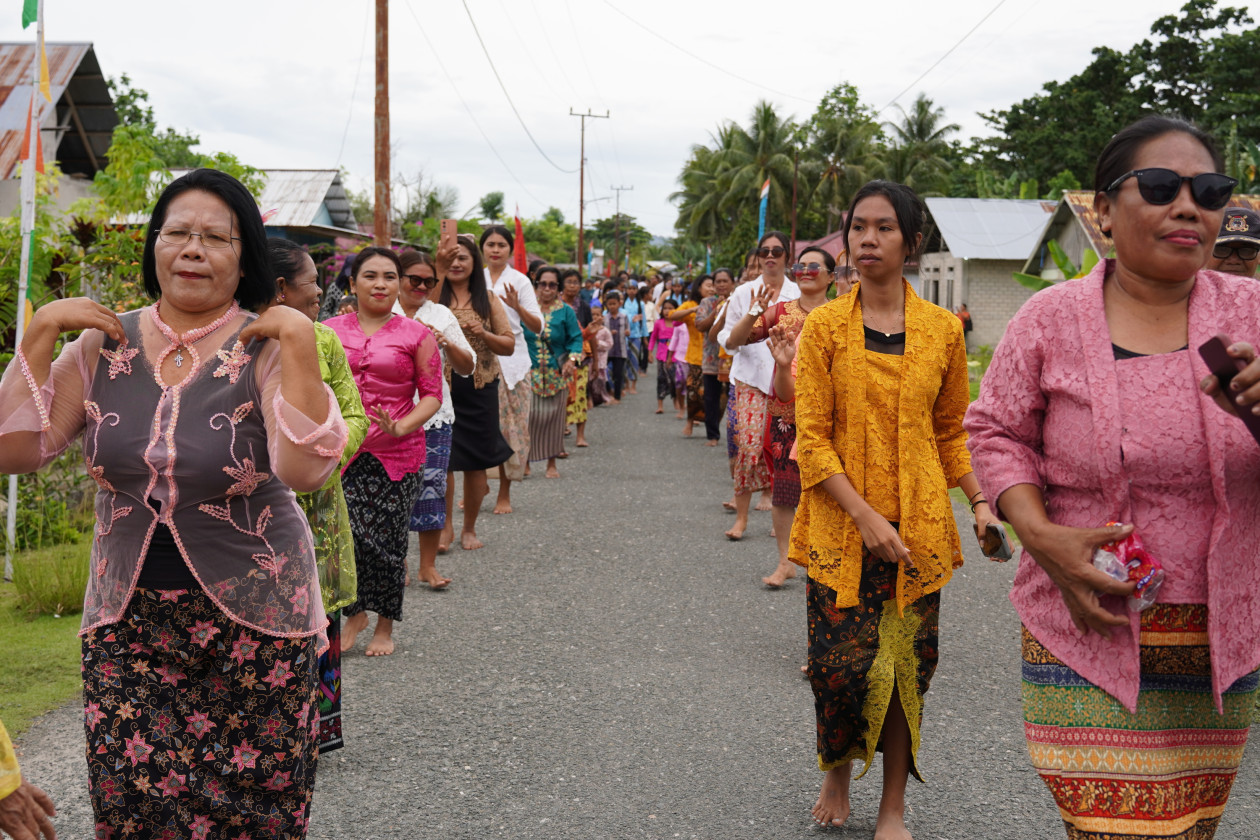
She observed that youth participation in the cultural parade and traditional music competition signals positive regeneration among local artists. The festival is considered capable of fostering a sense of belonging toward regional identity.
“Culture is an ancestral heritage that we must preserve and pass on to younger generations so they can take pride in their identity,” she said.
The series of events began with a Cultural Parade featuring traditional attire and dances from each village. The harbor area transformed into an open performance space accompanied by distinctive coastal music. Various dances, including the Petik Cengkih Dance, Toki Gaba Dance, and Lesung Dance, were performed to represent local community life.
The Yanger music competition became a major attraction, with judging criteria covering arrangement, vocals, pronunciation in regional languages, and stage performance. In the evening, a Cultural Theater performance presented the history and local wisdom of Rao Island in a dramatic format.
In addition to artistic performances, the festival featured MSME exhibitions from each village. Local culinary products, handicrafts, and processed seafood were showcased to visitors and guests. This activity created promotional opportunities for local entrepreneurs while expanding marketing networks.
Support from various partners, including the private sector and state-owned enterprises, strengthened the event’s implementation. Through cross-sector collaboration, the Rao Rayo Festival is expected to continue growing as an inclusive and sustainable annual agenda for the people of Rao Island.
Reportage/Documentation: KKN-PPM Kita Morotai Team
Author: Triya Andriyani
Post-editor: Rajendra Arya