


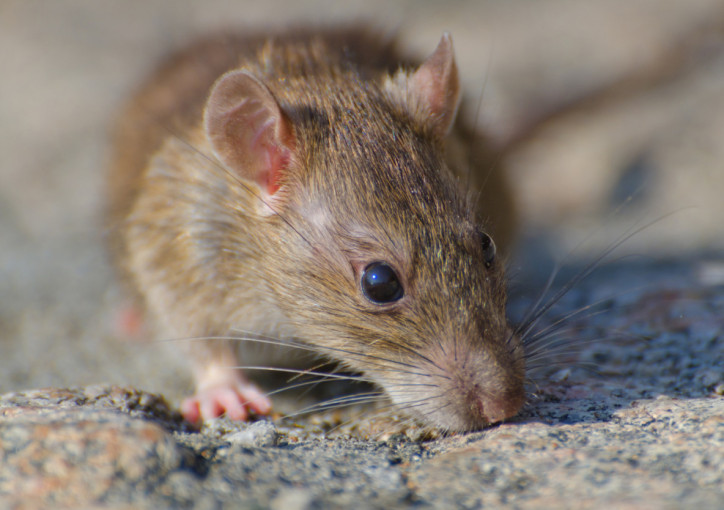
Leptospirosis, also known as rat urine disease, has seen an increase in cases in early 2026. This situation may be linked to the ongoing rainy season, which keeps transmission risks high. Leptospirosis cases occur worldwide, particularly in tropical and subtropical regions, with more than 1 million cases reported annually and around 60,000 deaths.
In Indonesia, data from the Ministry of Health show an upward trend in leptospirosis cases across various regions from July to August 2025. Central Java recorded the highest number of cases at 1,014, followed by the Special Region of Yogyakarta with 703 cases. East Java reported 487 cases, West Java 220, Banten 149, and Jakarta 39 as of July 2025.
An internal medicine specialist at Universitas Gadjah Mada Academic Hospital (RSA UGM), Noviantoro Sunarko Putro, who is known as Koko, explained that leptospirosis is one of the most common zoonotic diseases transmitted from animals to humans.
The disease is caused by the bacterium Leptospira interrogans, which infects not only rats but also other mammals, including cats, dogs, cattle, pigs, goats, and sheep.
“The bacterium Leptospira interrogans can survive in a rat’s bladder for months and is excreted through urine, potentially contaminating the environment for a prolonged period,” he said on Wednesday (Feb. 11).
Koko noted that leptospirosis symptoms are often difficult to recognize because they resemble common infectious diseases, and most cases are mild, presenting with fever, headache, chills, and muscle pain. However, muscle pain in leptospirosis has distinctive characteristics, particularly affecting the calves, back, and abdomen.
In more severe cases, leptospirosis is marked by three main conditions: bleeding, jaundice due to liver dysfunction, and acute kidney failure leading to reduced urine production.
“As a result, toxins that should be excreted through urine accumulate in the body and cause poisoning,” explained Koko.
Transmission of Leptospira interrogans occurs when the bacteria enter the body through broken skin or mucous membranes, such as those of the eyelids and the oral cavity. The bacteria can survive for extended periods in moist environments and stagnant water, including drains, ponds, slow-flowing rivers, and other puddles, even for months.
This makes the rainy season a major risk factor for leptospirosis transmission.
Therefore, Koko advised the public to avoid contact with stagnant water and to use personal protective equipment, such as gloves and boots, when at risk of exposure.
Furthermore, Koko emphasized the importance of following medical advice if patients experience severe leptospirosis symptoms. Patient information plays a crucial role, particularly regarding environmental exposure history and reported cases in surrounding areas.
This is essential because clinically and through laboratory examination, leptospirosis is often difficult to distinguish from other diseases such as dengue hemorrhagic fever and typhoid.
“This is not entirely incorrect as long as patients remain under close supervision. Dengue-related deaths can occur in the first weeks, while leptospirosis fatalities may occur in the second week or later,” he explained.
Koko urged the public to maintain environmental cleanliness and avoid exposure to stagnant water, considering that humans cannot control where animals such as rats urinate. He also reminded the public not to panic if they or family members experience symptoms of leptospirosis, but to seek medical attention immediately and follow all medical recommendations.
“With proper treatment, including intensive care if necessary, the chances of recovery remain high as long as the critical phase can be managed,” he concluded.
Author: Jesi
Editor: Gusti Grehenson
Post-editor: Rajendra Arya
Illustration: Freepik