


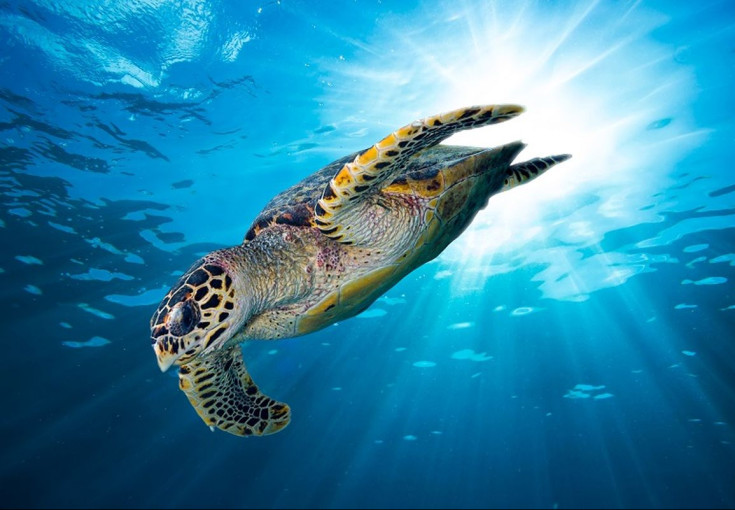
Indonesia is widely recognized as one of the world’s megadiverse countries, ranking among the most biodiverse nations. With two-thirds of its territory consisting of waters, much of this biodiversity is found in marine environments, many of which remain largely unexplored. However, several marine species are now at risk of extinction due to hunting and declining populations. In response, the government has placed a number of rare species under protection, including six species of sea turtles, dugongs, whale sharks, manta rays, sawfish, dolphins, giant clams, and the Napoleon wrasse.
The Dean of the Faculty of Biology Universitas Gadjah Mada (Biology UGM), Professor Budi Setiadi Daryono, stated that the world of wildlife is not limited to terrestrial ecosystems but also includes animals living in marine ecosystems. According to Professor Budi, the existence of wildlife in Indonesia’s maritime regions cannot be separated from the vulnerability of small islands that serve as their habitats. Reviving maritime culture in the daily lives of the younger generation is just as important as empowering coastal communities.
“The mindset in viewing development should shift from one based solely on per capita income targets to one focused on empowering all parties while maintaining natural wealth and biodiversity,” he said on Tuesday (Mar. 3) when asked for his views regarding the commemoration of World Wildlife Day, which falls every March 3.
Meanwhile, maritime culture has gradually degraded due to the centralization of education in urban centers. The fact that the ocean is a source of food, the downstream end of the economic chain, and the nation’s future has not been widely considered. This is partly because marine resources are more easily accessed in cities, far from coastal areas.
In addition, some segments of society tend to have relatively low levels of fish consumption. This knowledge must be brought back into the education system, along with experiences that connect it to everyday life at the dining table.
“A nation will succeed if its education system is advanced, whether at the level of families, regions, or the state. A developed nation is one that prioritizes education, allowing science and nature to progress hand in hand. Future generations will then be familiar with natural resources and not be overwhelmed by advancing technologies,” he said.
Professor Budi further highlighted the crucial role of research funding in generating data to identify a region’s marine potential. He explained that resource extraction is often carried out by external parties, which threatens the food sources of local communities. One step to address this issue is to provide local communities with access to knowledge and data so they can independently map the marine potential of their regions.
“This maritime data is extremely valuable. Less than 15 percent of Indonesia’s seas have been explored. However, research is not interesting if it only produces data. What becomes interesting is when the data reveal potential that can be mapped independently by communities and then developed. That will become one of the solutions,” he concluded.
Author: Ika Agustin
Editor: Gusti Grehenson
Post-editor: Jasmine Ferdian
Photo: Thinkstock