


Universitas Gadjah Mada (UGM) held an Open Senate Meeting as the culmination of its 76th anniversary celebration under the theme “Healthy Campus, Pillar of Self-Reliance and National Resilience” on Friday (Dec. 19, 2025) at Grha Sabha Pramana. This annual event served as a space for reflection on UGM’s journey in strengthening the role of scholarship that upholds humanity and sustainability.
The presence of academics, alumni, and partners underscored the strong bonds that position UGM as a shared home for service to knowledge. At 76 years old, UGM reaffirmed its determination to continue growing as a university that remains relevant and impactful for the nation.
In the Rector’s Annual Report, UGM opened the series of events by expressing its deepest condolences for the floods that struck several regions in Sumatra.
This expression of sympathy served as a reminder that empathy and solidarity are core values the university continuously upholds.
The Rector, Professor Ova Emilia, stated that UGM has taken an active role through various humanitarian initiatives involving faculties, alumni, and strategic partners.
“On behalf of Universitas Gadjah Mada, we extend our deepest condolences to our brothers and sisters in West Sumatra, North Sumatra, and Aceh. May they be granted strength and recovery,” she said.
From this humanitarian reflection, the rector went on to outline UGM’s achievements and the direction of its future transformation.
UGM places research and innovation at the forefront of responding to global and national challenges.
The shift from a teaching university toward a research- and innovation-based university is seen as a strategic step to strengthen the campus’s role in society.
“UGM is committed to transforming its academic culture from a teaching culture into a research and innovation culture so that the research and innovations we produce can deliver tangible impact,” she emphasized.
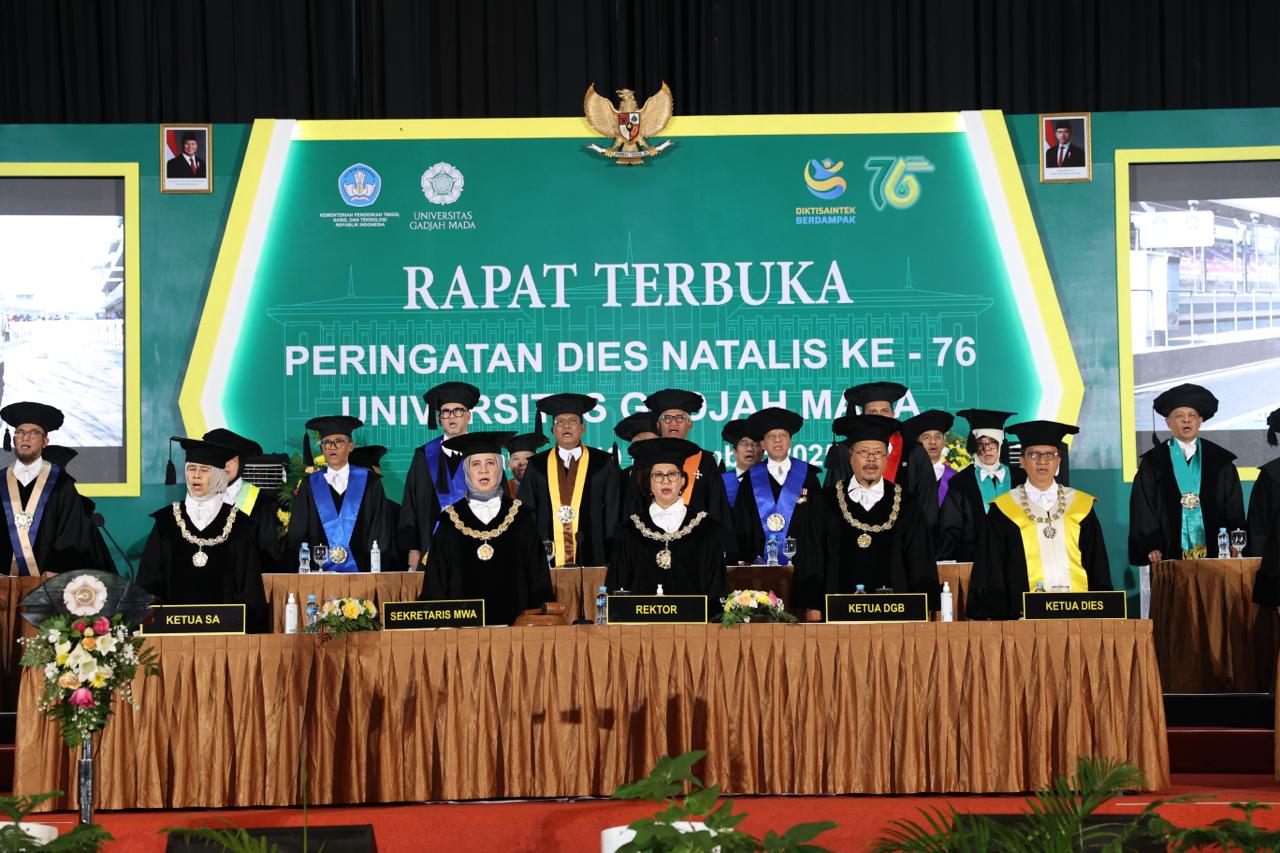
This transformation stems from the understanding that the nation’s future is largely determined by the quality of healthy and resilient human resources.
This understanding was highlighted in the address delivered by Professor Adi Utarini. She stressed that health is the primary foundation for harnessing Indonesia’s demographic bonus.
“If the quality of health and education is not improved, the demographic bonus can turn into a burden, and we will lose a golden opportunity,” she stated.
In this context, Professor Utarini elaborated on various health challenges faced by younger generations that often go unnoticed.
Issues ranging from nutrition and mental health to environmental impacts and climate change are interconnected in shaping human quality of life.
She emphasized the importance of cross-sector collaboration so that policies and innovations truly reach everyday life.
“We must build bridges between science and humanity so that innovation is present in social realities,” she said.
Universitas Gadjah Mada Awards
Efforts to build a healthy generation must go hand in hand with strengthening self-reliance and entrepreneurship.
This spirit was reflected in the presentation of the Universitas Gadjah Mada Award for entrepreneurship development to Professor (Emer.). Eka Sari Lorena Soerbakti.
She has been actively involved in developing the UGM Preneurs ecosystem together with the Faculty of Agricultural Technology and several other faculties to bridge academic research with the needs of society and industry.
This ecosystem is designed to enable students to understand the downstreaming of innovation, the strengthening of business ecosystems, and the sustainability of science-based ideas.
“We want UGM students to be independent, courageous in creating new things, and able to bring research so that the community can directly feel its benefits,” she remarked.
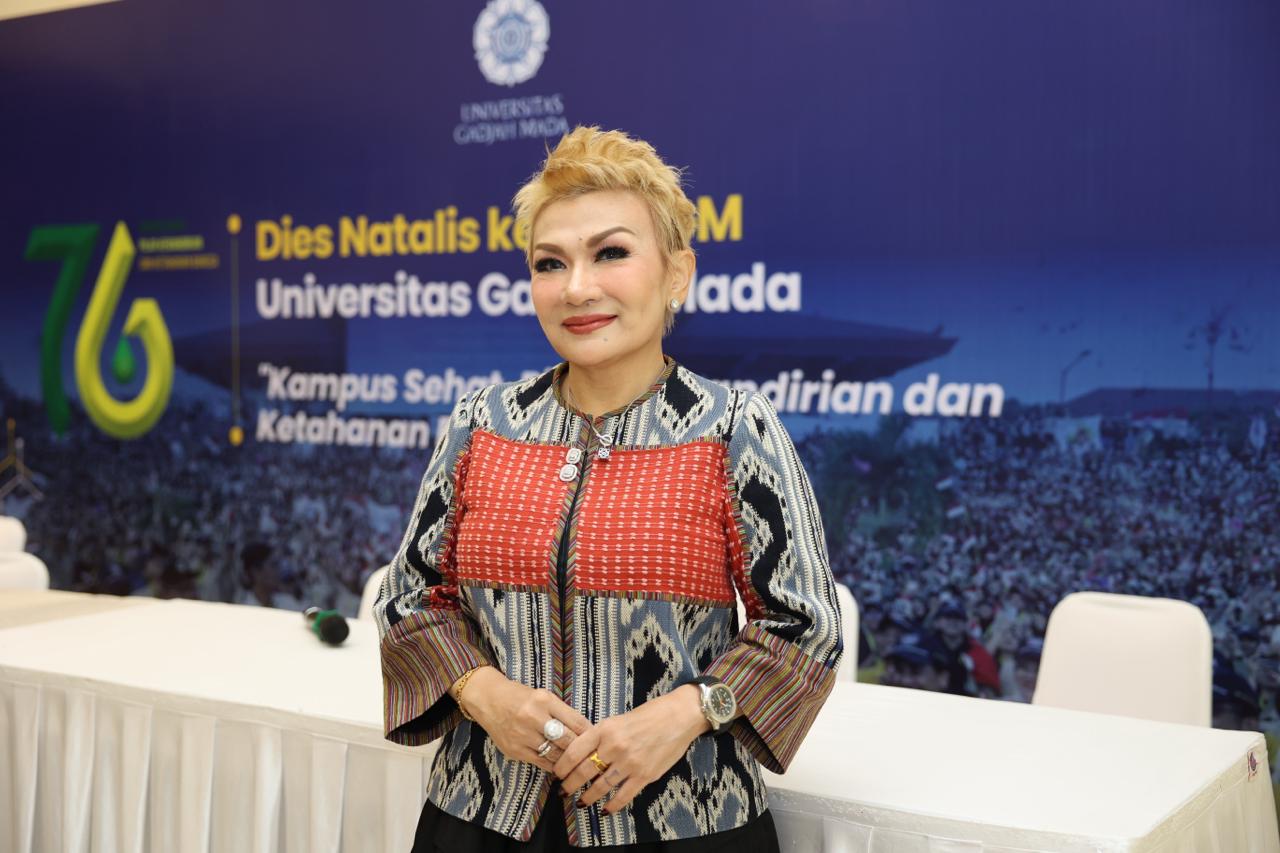
Professor Soerbakti added that strengthening entrepreneurship continues through efforts to build ecosystems that foster sustainable innovation.
Collaboration among universities, industry, and society is seen as key to ensuring that ideas do not remain within academic spaces.
With the right ecosystem support, students are expected to compete at the national and global levels.
“UGM has great potential. Its students are no less capable than those from abroad. Therefore, I am confident that UGM can produce entrepreneurs with strong character who contribute to the nation,” she said.
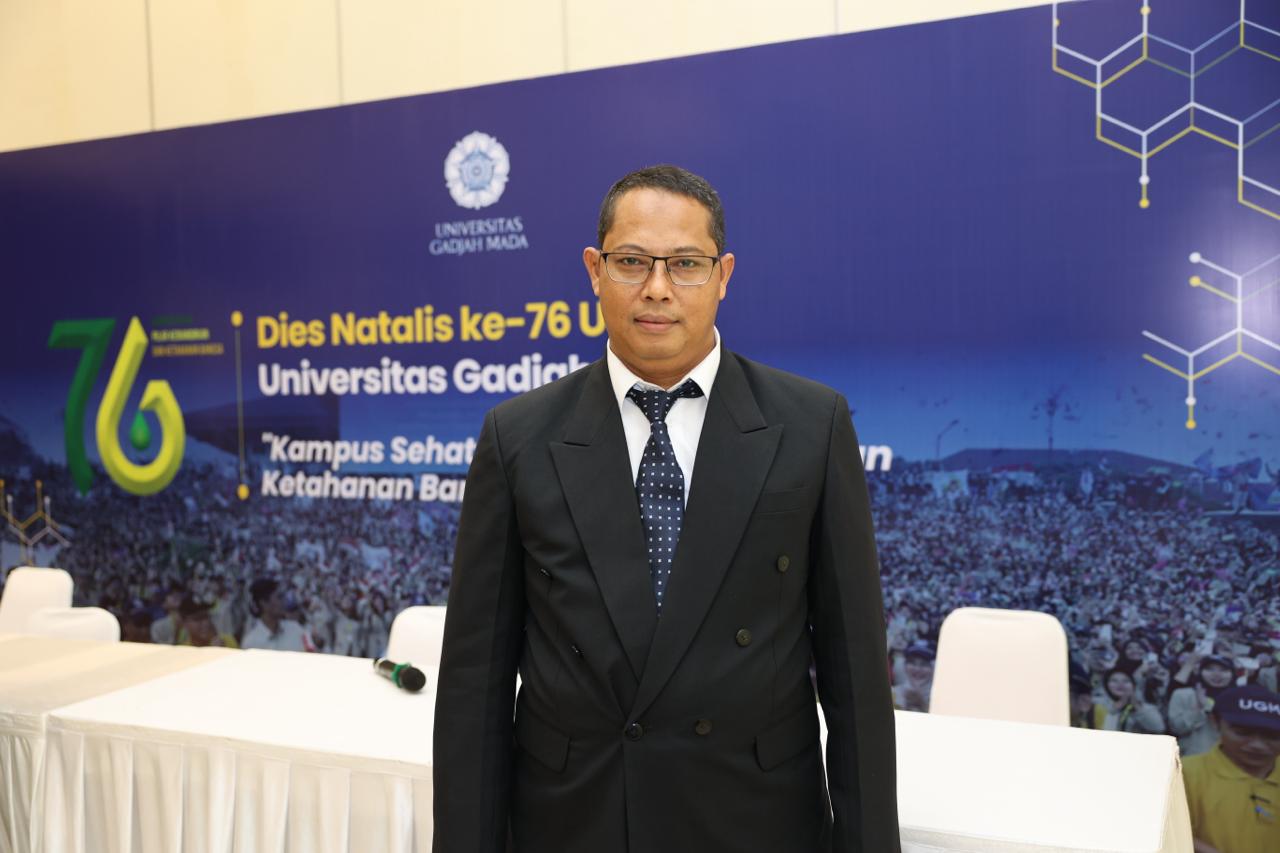
The spirit of delivering research with public impact was also reflected in the strengthening of another strategic field, namely halal product research.
The UGM Award for the development of halal product research was conferred upon Professor Abdul Rohman from the Faculty of Pharmacy.
He emphasized the importance of science-based halal research to address regulatory needs and consumer protection in Indonesia.
“UGM is present to respond to the challenges of halal research through strong and sustainable scientific approaches,” he said.
The series of events marking the 76th Anniversary Open Senate Meeting reaffirmed the campus’s role as a meeting place for knowledge, empathy, and commitment to the nation’s future.
From humanitarian reflection and the strengthening of research to appreciation for the dedication of the academic community, UGM demonstrated a consistent direction of transformation.
A healthy campus is understood as an ecosystem that nurtures people holistically—physically, mentally, and socially.
With this spirit, UGM moves forward at 76 as a pillar of self-reliance and national resilience.
Author: Triya Andriyani
Post-editor: Lintang Andwyna
Photographer: Firsto Adi