


Mukhamad Najib, a Director of Institutional Affairs at the Directorate General of Higher Education, Ministry of Higher Education, Science, and Technology, said that only around 5 percent of universities have so far been able to transform into research-oriented institutions.
In the Journalist Bootcamp Dikti 2025 titled “Synergy Between Higher Education and Media for Impactful Campuses”, which was recently held in Bogor, Mukhamad Najib encouraged higher education institutions to move toward becoming research universities and to strengthen their role in providing tangible solutions for their respective regions.
The government is currently encouraging universities to balance their educational, research, and community engagement roles. This effort is part of the national development vision to strengthen the contribution of higher education institutions in research and community service.
Responding to the current state of higher education, Professor Kuwat Triyana, Dean of the UGM Faculty of Mathematics and Natural Sciences (FMIPA UGM), stated that Indonesian universities are undergoing a test of relevance. He noted that some young people no longer consider higher education as their primary option.
“Young people no longer see university education as an automatic decision. They are choosing other life paths, such as short courses, bootcamps, or the gig economy,” he explained on Wednesday (Dec. 17).
Professor Triyana observed that education in Indonesia today is marked by two opposing narratives. On one hand, the state aims to increase the number of university graduates as a national benchmark. On the other hand, individuals tend to think pragmatically by calculating the return on their educational investment. In addition, Indonesia’s curriculum still lags far behind that of other countries.
“Therefore, the focus of universities should not be limited to knowledge transfer, but should function as ecosystems that train students to solve real-world problems,” he elaborated.
According to Professor Triyana, community service programs need to be implemented by all universities in Indonesia. To date, community engagement initiatives across campuses remain significantly underdeveloped. He attributed this condition to weak incentives and implementation mechanisms.
“As a result, many community service activities stop at administrative outputs such as numbers of activities, photos, and reports, without reaching measurable outcomes or real impact,” he explained.
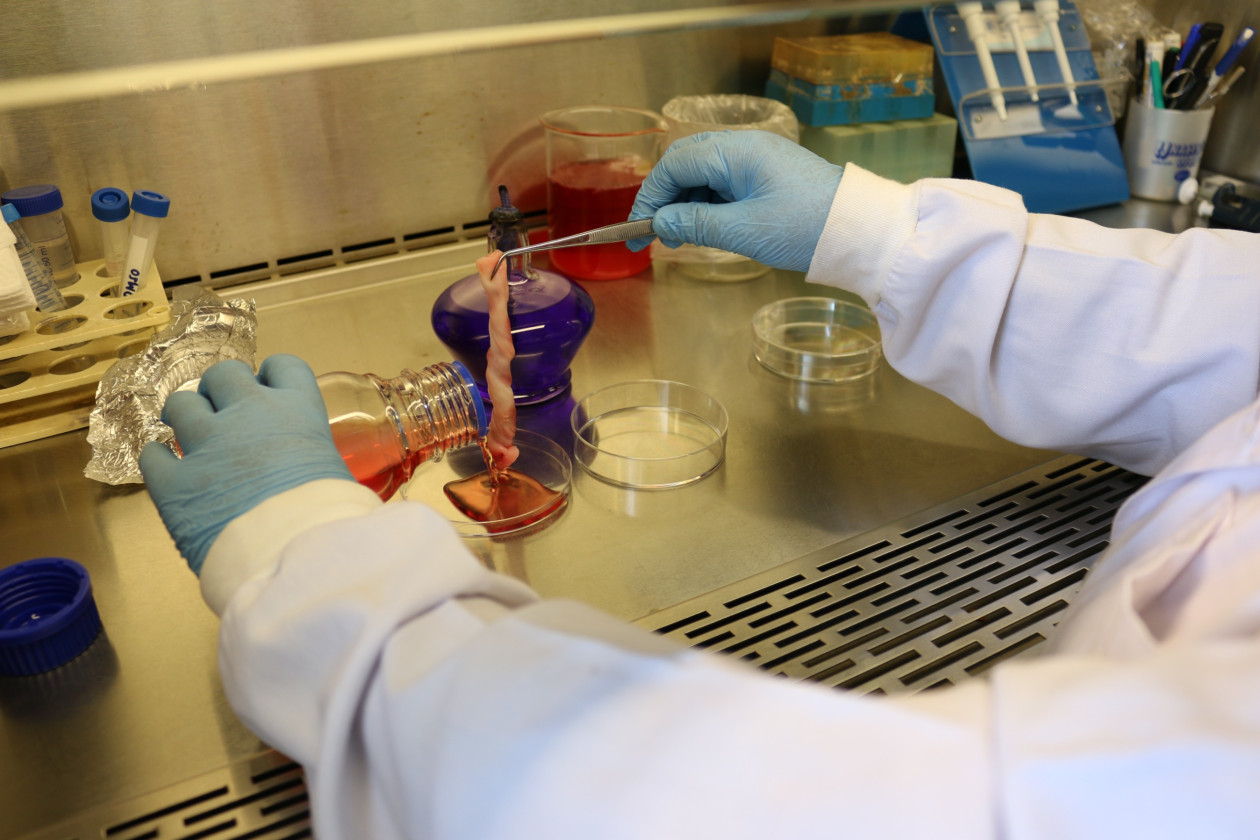
He further elaborated that measurable impact should include indicators such as reduced community healthcare costs, increased productivity, and reduced societal risks resulting from community engagement efforts.
Another issue he identified in the development of research and community service programs is the mismatch between research topics and actual community needs. This often occurs because topic selection is driven by ease of implementation and access to tools, materials, and data.
“There is no clear linkage. There is also no stakeholder mapping from the outset, like who the beneficiaries are, who makes adoption decisions, and who provides funding. These aspects are often absent,” he noted.
For Professor Triyana, universities should serve as bridges between present realities and future needs through research-based community engagement programs and multi-stakeholder collaboration.
“Universities should connect youth, industry, communities, media, learning platforms, and others so that solutions do not end up merely as reports,” he said.
In closing, Professor Triyana stressed that the government needs to improve regulatory incentives and adoption pathways to enable higher education to deliver direct benefits to society.
He also called for changes to the current curriculum structure, which he described as overly rigid. He expressed hope that the government would develop innovation pathways for universities, as campuses cannot improve quality on their own and require strong government support.
“Universities cannot stand alone; policies must be facilitated,” he concluded.
Author: Salwa
Editor: Gusti Grehenson
Post-editor: Rajendra Arya
Photographs: Donnie Trisfian and UGM Faculty of Pharmacy