


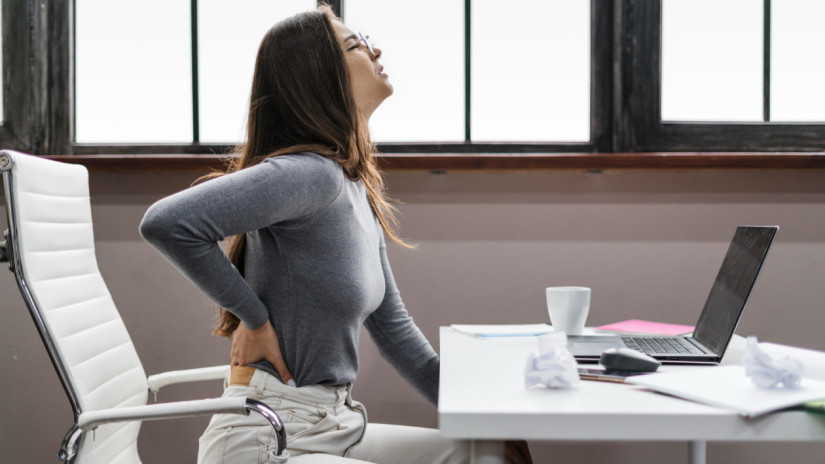
Changes in work patterns following the COVID-19 pandemic have led to an increase in lower back pain among the 20 to 40-year-old age group. Experts from the “Low Back Pain Collaborators,” reported in The Lancet in 2023, noted that low back pain (LBP) affects 619 million people worldwide. The number of cases is projected to rise to 843 million by 2050.
Responding to increasingly sedentary lifestyles and reduced physical activity, a neurologist at Universitas Gadjah Mada Academic Hospital (RSA UGM), Yoga Rossi Widya Utama, outlined steps to help prevent the condition from worsening or address early symptoms.
Utama explained that the primary causes of lower back pain include low levels of physical activity or improper exercise habits.
“This pain is caused by maintaining the same body position for extended periods, such as prolonged sitting or standing, especially when the body lacks movement due to insufficient exercise,” he said on Tuesday (Jan. 20).
According to the physician, cases of lower back pain have increased among individuals aged 20–40 due to changes in work patterns. Intensive indoor activities, including frequent online meetings, have made sedentary lifestyles common among workers.
“As a result, muscles, joints, and the lower spine become more vulnerable to pain,” he explained.
In addition to a lack of movement, Utama noted that other contributing factors include poor, static posture; repetitive movements; prolonged sitting or standing; and heavy physical activity performed with improper techniques or positioning over extended periods.
“Lower back pain is influenced by the type of activity performed, whether it affects the muscles, joints, or bones,” he said.
He added that lower back pain can involve muscles, joints, or bones, depending on which body parts are used most frequently. However, the area most commonly affected is the lower back muscles due to prolonged sitting, a habit shared by many people.
To prevent the early onset of lower back pain, Utama recommended starting with simple measures, such as maintaining proper posture and performing regular stretching. He strongly encouraged the use of ergonomic chairs and desks that support the natural curvature of the spine.
He also suggested physical activities that can be done at any time, including walking, light muscle training, and swimming, performed consistently and with proper technique to avoid straining the lower back.
“Adequate, quality sleep and proper nutrition are also essential foundations for maintaining overall health,” he said.
Common symptoms of lower back pain include dull or sharp pain in the lower back, difficulty standing upright or sitting for long periods, and pain radiating into the legs. If these symptoms occur, Utama advised two main steps: getting sufficient rest and applying warm or cold compresses to the lower back.
“Prolonged rest can actually worsen symptoms, especially when using a mattress that is too soft and does not support the spine’s natural curve. If symptoms persist, patients may take pain relievers or undergo physiotherapy with a licensed therapist, based on a doctor’s consultation,” he concluded.
Author: Ika Agustine
Editor: Gusti Grehenson
Post-editor: Salma
Illustration: Freepik