


Over the past 10 years, the rate of global warming has nearly doubled compared to the 1970s. Today, the Earth’s temperature has increased by 0.35 degrees Celsius. This has led to a rise in the intensity of extreme weather events. According to Dr. Emilya Nurjani, a climatology expert from the Faculty of Geography, Universitas Gadjah Mada (Geography UGM), rising global temperatures will contribute to the melting of Arctic ice.
This, in turn, increases sea levels and reduces the elevation of low-lying areas. In addition, higher temperatures also increase the likelihood of disasters. High temperatures drive greater evaporation, which raises the potential for rainfall.
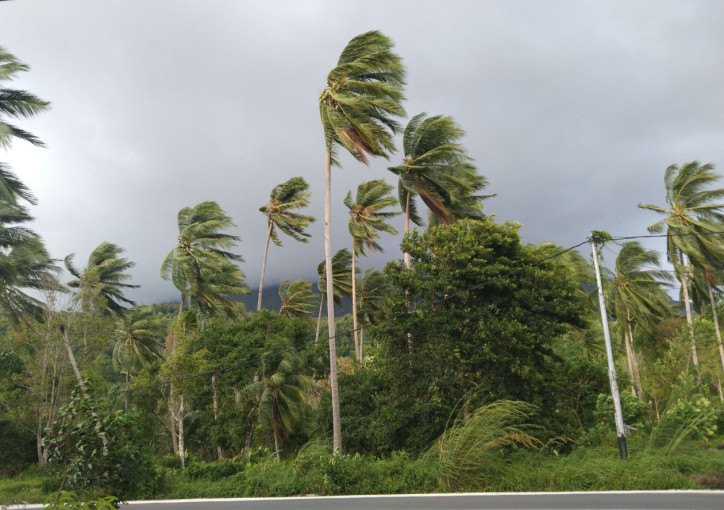
“If air temperatures continue to rise, sea surface temperatures will also increase, leading to more frequent cyclones. As cyclones occur more often, the resulting impacts include flooding, strong winds, and other changes in environmental conditions,” Emilya explained on Friday (Mar. 27).
To anticipate the impacts of rising temperatures, Emilya emphasized the need for mitigation efforts to prevent further increases. Rising temperatures can lead to drought, and more rapid increases in temperature may also trigger stronger winds.
She explained that strong winds can cause various forms of damage, such as fallen trees and roof damage to houses. Moreover, rising temperatures that bring earlier, drier seasons also affect the agricultural sector.
“Prolonged dry seasons will impact agriculture. Farmers will face difficulties planting rice, especially during the third planting cycle,” she said.
Furthermore, Emilya noted that the primary factor behind rising global temperatures is global warming. Various human activities, such as the use of fossil fuels, increase greenhouse gas emissions, which contribute to global warming. As a result, more solar radiation reaching the Earth is absorbed rather than reflected.
“The increasing heat then leads to a rise in temperatures at the Earth’s surface,” she said.
Rising temperatures intensify evaporation and transpiration processes. When large amounts of water vapor accumulate in the troposphere, cloud formation also increases. As cloud volume grows, rainfall becomes more frequent. High rainfall intensity can lead to waterlogging. This can occur even during the dry season, which is also influenced by the Australian monsoon. The Australian monsoon transports water vapor from the southern region northward, but due to higher pressure over Asia, the moisture often passes over Indonesia without significant cloud formation.
“Cloud formation during the dry season decreases, which is why we experience dry conditions,” she explained.
In response to increasingly prolonged dry seasons, Emilya encouraged the adoption of regulatory harvesting, such as collecting rainwater from rooftops. This can also be understood as an expansion of efforts to store water in various forms. She also emphasized the importance of using water wisely according to actual needs.
“Water should be used based on its function. For domestic needs, we can use groundwater, but for other purposes, we can rely on surface water or other sources. After all, groundwater ultimately depends on rainfall,” she concluded.
Author: Fatihah Salwa Rasyid
Editor: Gusti Grehenson
Post-editor: Jasmine Ferdian
Photo: RRI