


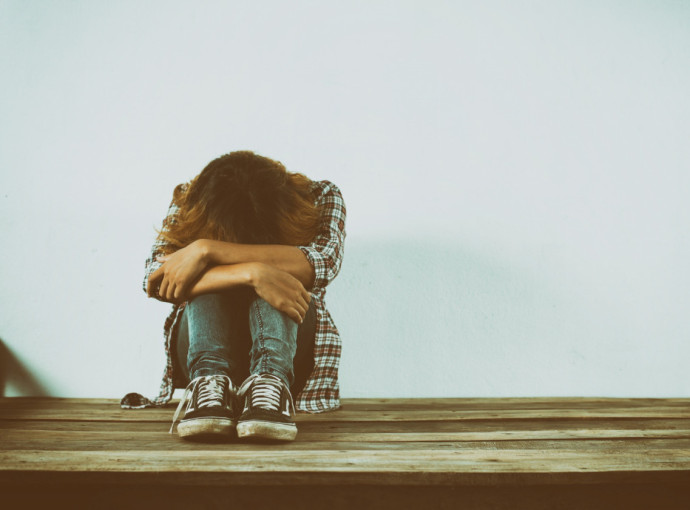
Trauma can arise from anywhere, including the immediate environment meant to provide safety. While it does not always result in psychological disorders, survivors may still experience post-traumatic distress or an illusion of growth.
A study conducted by a doctoral student at the Faculty of Psychology, Universitas Gadjah Mada (Psychology UGM), Amalia Rahmandani, examined the impact of trauma during emerging adulthood (ages 18–25). According to her, complex trauma refers to repeated and chronic traumatic experiences, most of which are relational in nature and often occur within the family context or primary caregiving system.
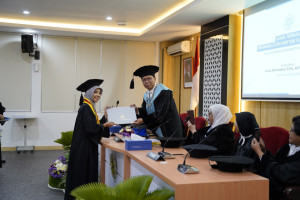
“Expectations placed on children to deliver exceptional achievements often become one of the factors contributing to complex trauma, in addition to physical, psychological, and sexual violence,” said Amalia during her Open Doctoral Promotion Examination held on Friday (Mar. 6) at the Faculty of Psychology UGM.
During the defense of her dissertation, Amalia explained that trauma often arises from the accumulation of unresolved problems, which may eventually contribute to complex trauma.
“The structural relationships experienced by survivors of complex trauma cause deep wounds and influence their post-traumatic growth,” she said.
Amalia noted that survivors of complex trauma often develop awareness and a tendency to seek self-improvement. Survivors of complex trauma within families tend to struggle independently rather than rely on others, making social support highly influential in the healing process.
“Efforts to address trust issues are needed first. In other words, survivors still have opportunities to grow,” she said.
According to Amalia’s research findings, post-traumatic growth among survivors of relational complex trauma is a dynamic, multidimensional, and progressively spiral process, where growth and distress, including complex post-traumatic stress disorder, can coexist. However, post-traumatic growth does not arise from the absence of suffering; rather, it emerges through deep reflection, reconstruction of self-meaning and relationships, and support from flexible coping strategies characterized by proactivity, gratitude, and realistic hope.
“An individual’s ability to manage pressure through coping flexibility has proven to play an important role in the process of post-traumatic growth,” she concluded.
Author: Jelita Agustine
Editor: Gusti Grehenson
Post-editor: Jasmine Ferdian
Photo: Freepik