


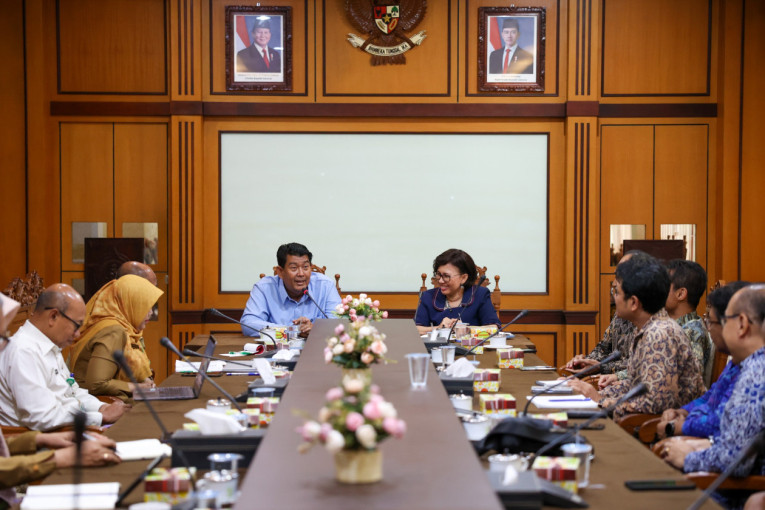
Universitas Gadjah Mada (UGM) held an audience with the Kulon Progo Regency Government to discuss the development of Nyi Ageng Serang Hospital as a strategic health care service center in the western part of the Special Region of Yogyakarta.
The meeting, which took place at the Kulon Progo Regent’s Office on Tuesday (Dec. 30), served as an initial forum for dialogue to explore collaboration in strengthening regional health care services.
Discussions focused on the hospital’s development direction in line with Kulon Progo’s growing role as a supporting area for Yogyakarta International Airport.
UGM Rector, Professor Ova Emilia, stated that the development of health care services in Kulon Progo should be viewed as a long-term agenda aligned with regional needs. The presence of an international airport opens new opportunities to strengthen health care services capable of serving both local communities and international users.
UGM considers university involvement essential to ensure that development is grounded in scientific principles and sound governance.
“UGM is ready to assist so that the strengthening of healthcare services delivers tangible benefits to the region,” she said.
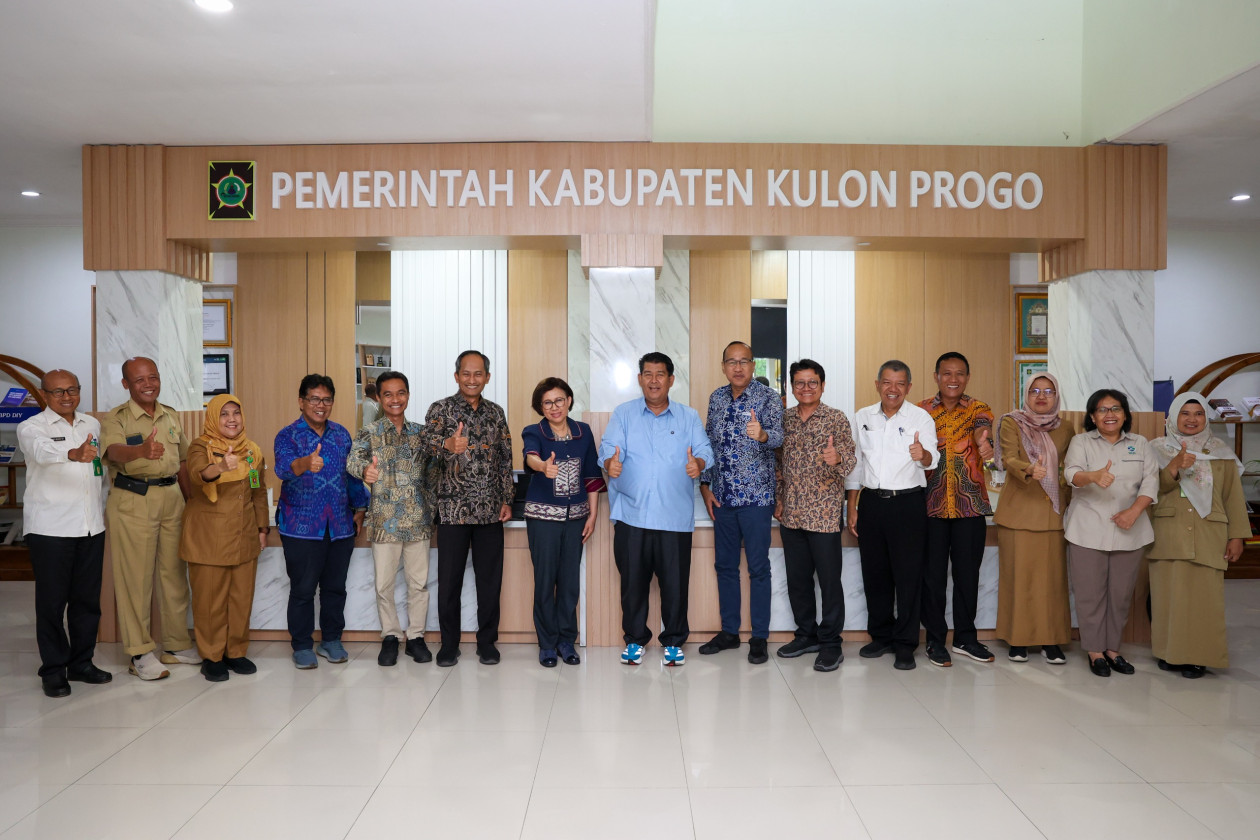
In the rector’s view, the development of Nyi Ageng Serang Hospital does not need to replicate the strengths of existing large hospitals, but rather to identify a service character relevant to the local context.
Emergency care and high-standard services are seen as strategic needs amid the increasing mobility of residents and tourists. The rector also noted that funding schemes could be developed through educational cooperation and philanthropy.
“Education- and community service-based approaches often receive broad support because of their sustainable impact,” she explained.
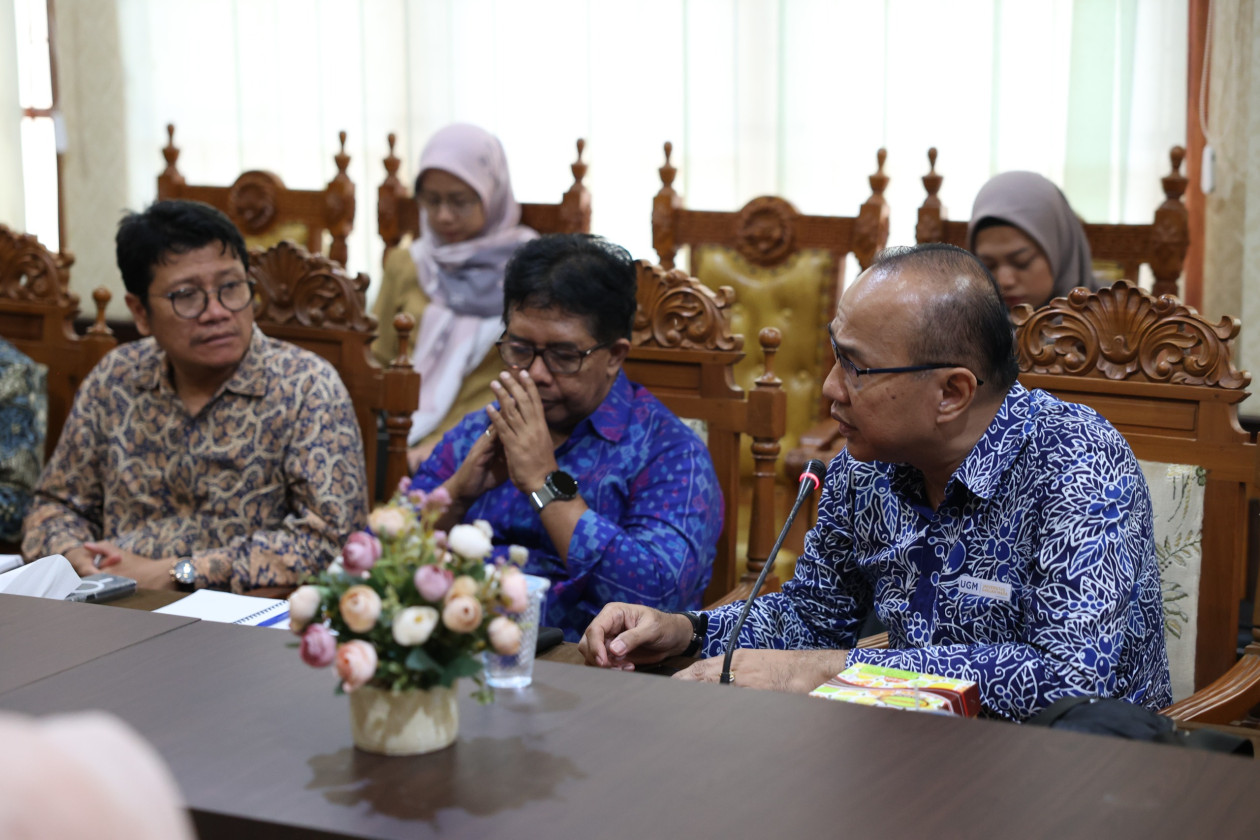
Head of the UGM Integrated Service Bureau, Dr. Andreasta Meliala, explained that initial assessments indicate significant potential for the development of Nyi Ageng Serang Hospital.
Kulon Progo’s wide and diverse geographical conditions require adaptive service design and adequate human resources. Early discussions have mapped service issues, medical personnel availability, and patient segmentation strategies.
“We see that this hospital has great potential to be developed in a focused and well-directed manner,” he said.
He added that collaboration with higher education institutions is key to strengthening clinical services and operational sustainability. Cooperation schemes allow for the involvement of specialist doctors and residents, enabling extended service hours.
In addition, the development of specialized services funded by philanthropy is considered relevant for reaching communities with specific needs.
“A focused and contextual service approach can provide added value for the people of Kulon Progo,” Dr. Andreasta explained.
Kulon Progo Regent, Dr. H. R. Agung Setyawan, welcomed UGM’s commitment to the development of Nyi Ageng Serang Hospital.
He noted that growth in the eastern part of Kulon Progo would increase demand for accessible, adequate healthcare services. From the outset, the hospital was built to address the area’s healthcare service density.
“Nyi Ageng Serang Hospital must continue to grow so that it can serve the community better,” he said.
The regent also explained that limited land availability has driven a vertical development strategy that optimizes existing buildings.
Development efforts must continue to consider spatial balance and the protection of agricultural land. The local government remains open to discussions on realistic and sustainable development schemes.
“The growth of health care services must go hand in hand with spatial and environmental sustainability,” he said.
Furthermore, the regent emphasized three areas of cooperation with UGM: healthcare, education, and agriculture.
He expressed hope that UGM’s presence would strengthen the quality of human resources while also driving the local economy. The existence of the Field Research Center (FRC) in Kulon Progo is considered strategic in supporting research-based agricultural development.
“We hope this collaboration will be able to promote comprehensive community welfare,” he stressed.
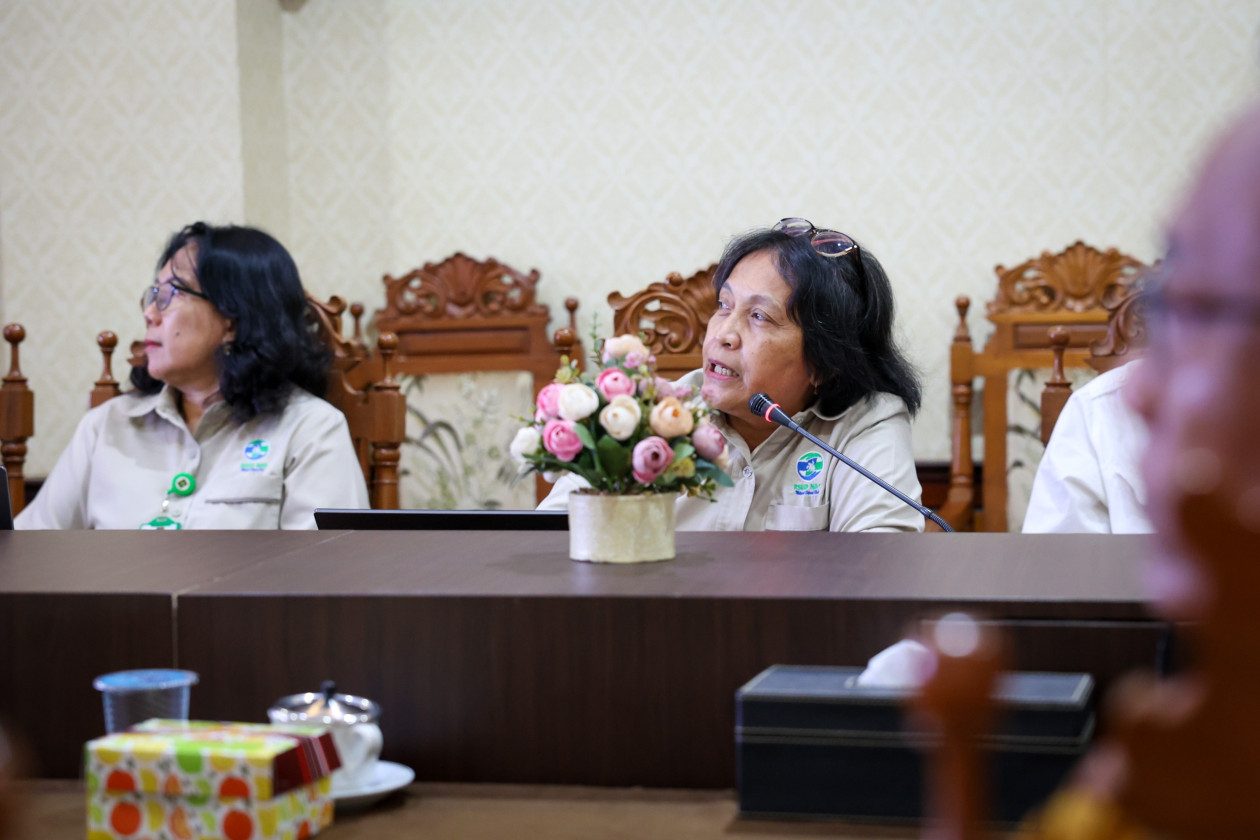
Director of Nyi Ageng Serang Hospital, Dr. Theodola Baning Rahayu, explained that the hospital’s capacity and services have continued to grow over the past few years.
The hospital currently has relatively complete basic and supporting service facilities, with patient visits showing an upward trend. The main challenges remain in strengthening human resources and developing specialized services.
“The high interest of health care professionals in joining is an important asset for the hospital’s development,” she said.
She added that the hospital’s development master plan has been adjusted to land conditions and future service needs. Plans to strengthen trauma services and improve the hospital’s physical appearance are part of a gradual transformation.
Collaboration with UGM is expected to reinforce integrated service, education, and research functions.
“We are ready to transform so that Nyi Ageng Serang Hospital gains greater trust from the wider community,” Dr. Rahayu concluded.
Author: Triya Andriyani
Post-editor: Rajendra Arya
Photographer: Donnie Trisfian