


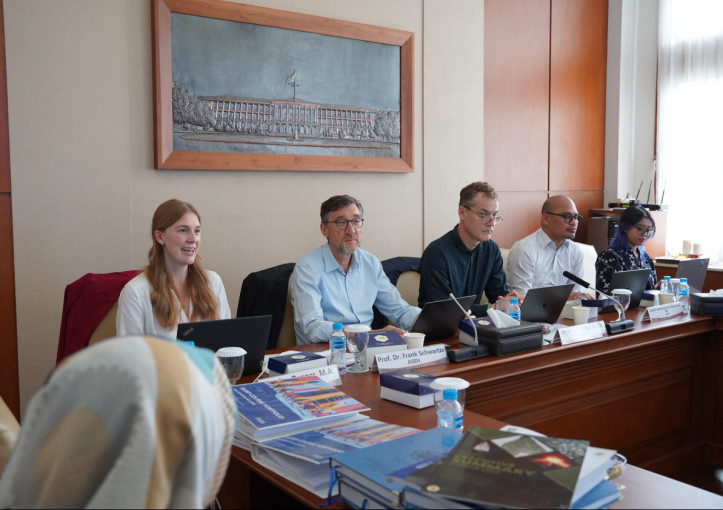
The undergraduate and master’s programs in Urban and Regional Planning, Faculty of Engineering, Universitas Gadjah Mada (FT UGM), underwent an international accreditation assessment by the Accreditation Agency for Study Programs in Engineering, Informatics, Natural Sciences and Mathematics (ASIIN) on February 11-12.
This accreditation visit is part of UGM’s ongoing efforts to ensure academic quality aligned with global standards. The assessment was attended by ASIIN assessors along with representatives of related institutions.
UGM Vice Rector for Education and Teaching, Professor Wening Udasmoro, expressed appreciation for the assessors’ presence and emphasized the importance of international assessments as part of UGM’s quality culture. She stated that the assessment is not merely a formal evaluation process but part of the university’s sustained commitment to strengthening academic quality and educational governance.
“This assessment is part of our ongoing commitment to enhancing academic excellence and ensuring that our study programs align with international standards,” she explained on Friday (Feb. 13).
Professor Udasmoro noted that UGM views quality assurance through international assessment as a constructive space for reflection. The involvement of international assessors provides an objective perspective and valuable learning opportunities for institutional development.
“At UGM, we believe that quality assurance through international partners is not only a form of external evaluation but also an opportunity for critical reflection and fostering sustainable growth,” she added.
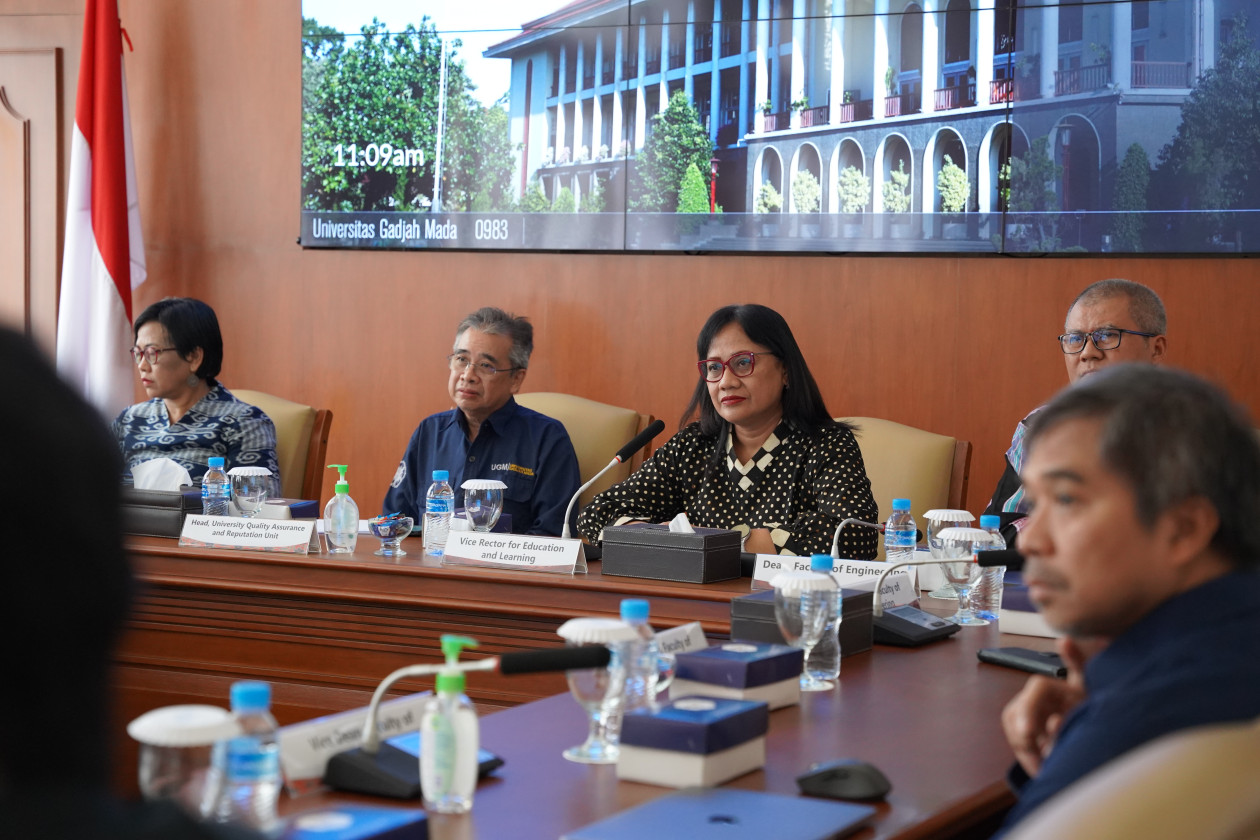
According to her, the discussions and reviews conducted during the assessment are expected to generate strategic input to strengthen the curriculum, improve teaching quality, and further develop study program governance.
“We look forward to constructive and open discussions throughout this assessment process,” she said.
One of the ASIIN representatives, Professor Frank Schwartze, expressed appreciation for the warm welcome from UGM and added that the assessment and accreditation process forms part of efforts to improve educational quality in support of academic excellence and scientific advancement at UGM.
“Essentially, we all strive to improve the quality of education to produce the best knowledge and provide maximum benefits for students,” he said.
Head of the Urban and Regional Planning Study Program, Dr. Isti Hidayati, explained that curriculum refinement has become one of the main focuses of change. Curriculum evaluations are conducted periodically by incorporating input from stakeholders, including industry partners, government institutions, and alumni, to ensure that learning outcomes remain aligned with professional needs and scientific developments.
“In addition to strengthening the existing curriculum, we are also preparing a new curriculum planned for implementation in 2026. This process involves various stakeholders as part of our response to the evolving academic and professional landscape,” she stated.
Dr. Hidayati added that the study program has also adjusted threshold standards within its learning assessment system to maintain measurable evaluation standards aligned with international practices.
“We are also making adjustments to the assessment system and continue to promote continuous improvement in academic aspects,” she said.
According to her, all these measures are part of the principle of continuous improvement consistently applied in the governance of the study program. Through these efforts, the Urban and Regional Planning Study Program is committed to maintaining educational quality while enhancing the global relevance and competitiveness of its graduates.
During the discussion, ASIIN also highlighted various international programs developed by UGM, including internationalization of curricula, student and faculty mobility, and strengthening global partnership networks. The discussion proceeded openly and constructively, addressing achievements, challenges, and future development opportunities for the study program.
Professor Udasmoro noted that UGM has recorded a significant increase in the number of international students over the past year, particularly from Southeast Asia. She noted that a more targeted internationalization strategy has positively impacted the growth of international student enrollment at UGM.
She explained that previously, the number of international students at UGM was around 800. However, within the past year, the figure has increased to more than 2,000 students.
“Over the past year, we have seen quite a significant increase. Previously, the number of international students was around 800, and now it has nearly reached more than 2,000 students,” she stated.
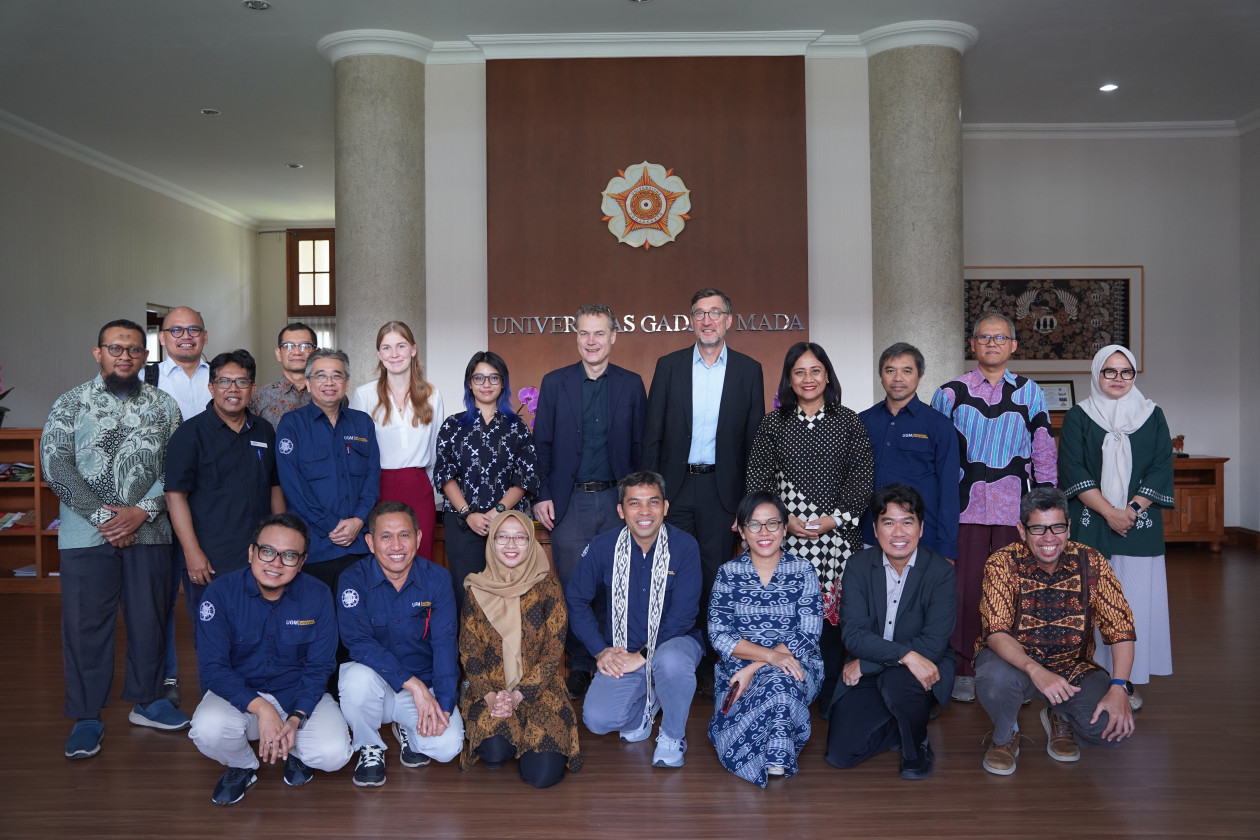
Professor Udasmoro added that this increase is closely linked to active promotional strategies carried out through roadshows to several countries, particularly in Southeast Asia, such as Timor-Leste and Myanmar, as well as other neighboring countries.
She explained that the focus on Southeast Asia is based on considerations of accessibility and educational cost efficiency. Studying abroad often requires substantial expenses, making Indonesia a competitive alternative destination for neighboring countries.
“We recognize that the cost of pursuing education abroad is quite high. Therefore, we developed a strategy targeting neighboring countries that are geographically closer and have growing higher education needs,” she explained.
In addition, Professor Udasmoro emphasized the importance of developing the International Undergraduate Program (IUP) as a key attraction for international students. She noted that within the Faculty of Engineering, the IUP has been running for the past three years and has shown positive development.
“The IUP has become one of the key components of our internationalization strategy. In the Faculty of Engineering, the program has been running for three years and continues to grow. Meanwhile, in other faculties, the IUP has been established longer and has successfully attracted many international students to study at UGM,” she said.
Author: Zabrina Kumara Putri
Editor: Gusti Grehenson
Post-editor: Rajendra Arya
Photographer: Jesi