


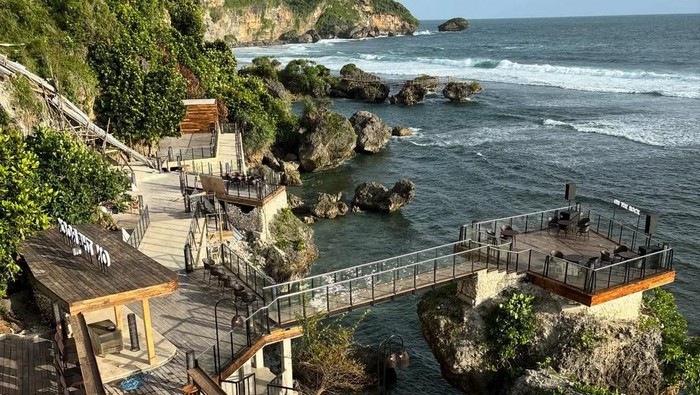
Indonesia’s tourism sector has recorded a significant shift in travel trends during the Christmas and New Year (Nataru) holiday period, marked by the growing phenomenon of micro-tourism. Micro-tourism, or travel focused on small-scale trips, short distances, and brief durations, has emerged as a prominent trend in recent years. This travel pattern helps reduce costs without diminishing the recreational experience, with an emphasis on exploring areas perceived as safer.
UGM tourism researcher Dr. M. Yusuf revealed that the surge in visitors to destinations such as Yogyakarta and other popular tourist cities during the Nataru holidays was driven by improved toll-road access, which has significantly reduced travel time.
Beyond accessibility, perceived safety related to natural disaster risks has also become a crucial consideration for tourists.
“Tourists perceive Yogyakarta as having a high level of safety or relatively low risk, which is why visitor numbers have surged,” said Dr. Yusuf on Monday (Jan. 2).
However, behind this trend, Dr. Yusuf also raised critical concerns regarding the urgency of disaster mitigation at tourist destinations. He emphasized that every tourism destination must have a disaster-mitigation roadmap that encompasses three key points.
“First, identifying potential hazards. Second, determining how available resources can be used as capital or strength in responding to disasters. Third, establishing clear procedures on what actions should be taken when a disaster occurs,” he explained.
Dr. Yusuf also highlighted the issue of visitor congestion, or overtourism, which frequently occurs on weekends. As a solution, he suggested that tourism managers develop weekday tourism through health and wellness tourism programs.
According to him, opportunities to design tourism programs on weekdays remain wide open. Moreover, such initiatives would ease pressure on infrastructure and help spread visitor concentration beyond weekends.
“The target segments include business owners, retirees, and remote workers who are not bound by conventional office hours,” he explained.
Dr. Yusuf also delivered strong criticism of the discourse surrounding airline ticket subsidies. He argued that airfare subsidies are merely a marketing strategy that fails to address the root causes of high air transportation costs.
“People think twice about traveling long distances because airfares are expensive. The idea of ticket subsidies is just marketing language. A more appropriate approach would be to reduce taxes on aircraft spare parts, airport airline charges, and aviation fuel prices,” he said.
Furthermore, Dr. Yusuf criticized the concept of work from mall (WFM), which he considers misguided. Rather than working from large shopping centers, he encouraged working from tourism destinations.
“Instead of energizing capitalist centers, let us side with vulnerable communities through community-managed tourism villages,” he urged.
In closing, Dr. Yusuf stressed that inclusive tourism is essential, as recreation and mental rejuvenation are rights for all segments of society. He appreciated local governments’ efforts to develop free public spaces down to the sub-district level.
Nevertheless, he reminded stakeholders that management must be carried out professionally, not perfunctorily.
“Inclusive tourism should genuinely be able to attract broad public interest, including visitors from outside the region, while upholding sound management principles and disaster safety aspects,” he concluded.
Author: Aldi Firmansyah
Editor: Gusti Grehenson
Post-editor: Rajendra Arya
Photograph: @ontherock.yk