


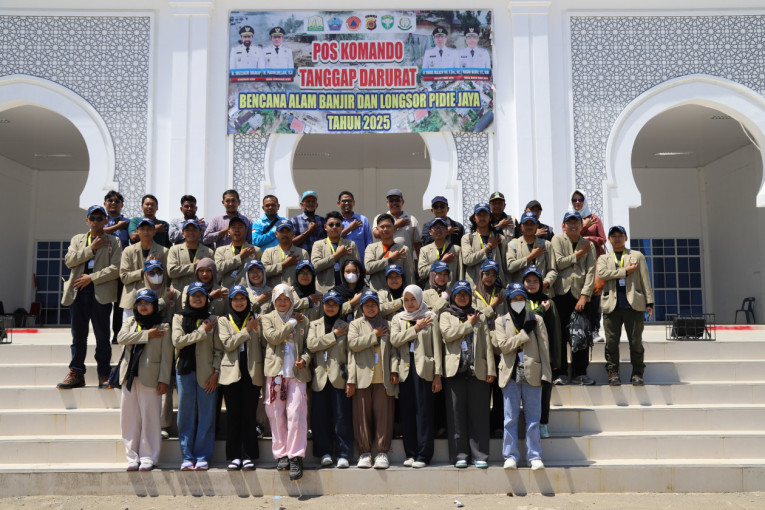
The KKN-PPM Disaster Response team of Universitas Gadjah Mada (UGM), accompanied by Vice Rector for Student Affairs, Community Service, and Alumni, Dr. Arie Sujito, was formally received by representatives of the Pidie Jaya Regency Government and local community leaders on Sunday (Feb. 1) at the Pidie Jaya Regency Media Center Command Post.
During the meeting, community leaders expressed hope that the students’ presence would help Aceh residents affected by the disaster, many of whom are farmers who have lost their livelihoods after their rice fields were buried under soil, rocks, and debris.
Assistant for General Administration of the Regional Secretariat (Setdakab) of Pidie Jaya Regency, Saiful, stated that the presence of UGM KKN students could provide significant space and impact for communities at the service locations.
“We from the government are deeply grateful. Hopefully, the community can be assisted and rise again,” Saiful said.
Regarding the scale of damage, Saiful noted that to date, damage in Pidie Jaya Regency has reached more than 17,000 units, including houses, agricultural land, facilities, and infrastructure, resulting in economic paralysis and job losses among residents.
“I believe this could lead to an increase in poverty levels in Pidie Jaya,” he explained.
He expressed hope that, with the KKN-PPM Disaster Response team present, communities would gain new insights into efforts and strategies to revive specific sectors, enabling the local economy to grow again.
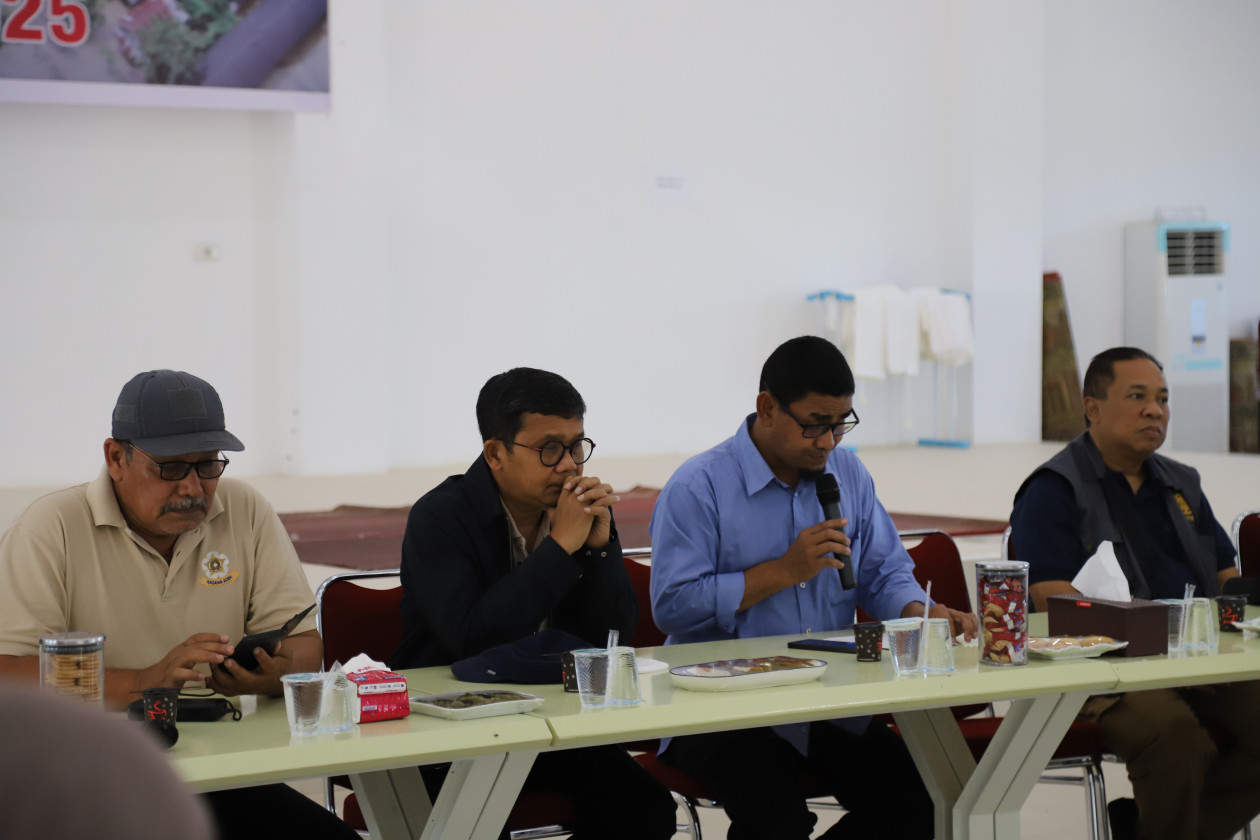
Pidie Jaya community leader, Kamarudin Andalah, conveyed a similar sentiment. The UGM alumnus expressed appreciation and gratitude for UGM’s attention and concern for disaster-affected communities in Aceh.
“The presence of KKN students is expected to provide new insight and renewed hope. With many basic services and life prospects disrupted, the arrival of students guided by lecturers and the vice rector brings new hope toward a better future,” he explained.
During discussions with KKN students, Kamarudin noted that the disaster’s impact was even greater.
“After the 2004 tsunami, people only went without food for one day. In this disaster, affected communities have struggled to find food for weeks,” he said.
He explained that 18 out of 23 regencies and cities in Aceh were affected by the disaster, with the most severe impacts occurring in Aceh Tamiang, North Aceh, Pidie Jaya, East Aceh, and Bener Meriah. In Pidie Jaya Regency alone, six out of eight districts were affected.
“The two most severely impacted districts are Meurah 2 and Bandar 2,” he added.
According to Kamarudin, public facilities and services, including education, health, and other public infrastructure, are paralyzed by the disaster.
Therefore, he hopes the KKN team can help the people of Pidie Jaya, most of whom are farmers who have lost their livelihoods after their rice fields and plantations were buried by soil, rocks, and sand.
“As a resident of Pidie Jaya, I express my deepest gratitude and appreciation for your calling and spirit to help fellow Indonesians,” he said.
Dr. Sujito explained that the deployment of 30 UGM KKN students to Pidie Jaya Regency and North Aceh Regency is part of UGM’s community service efforts to help disaster-affected survivors in Aceh.
“Together with lecturers, these KKN students will strive to support the community by connecting their work with other programs previously implemented by UGM task force teams to accelerate the recovery process,” he explained.
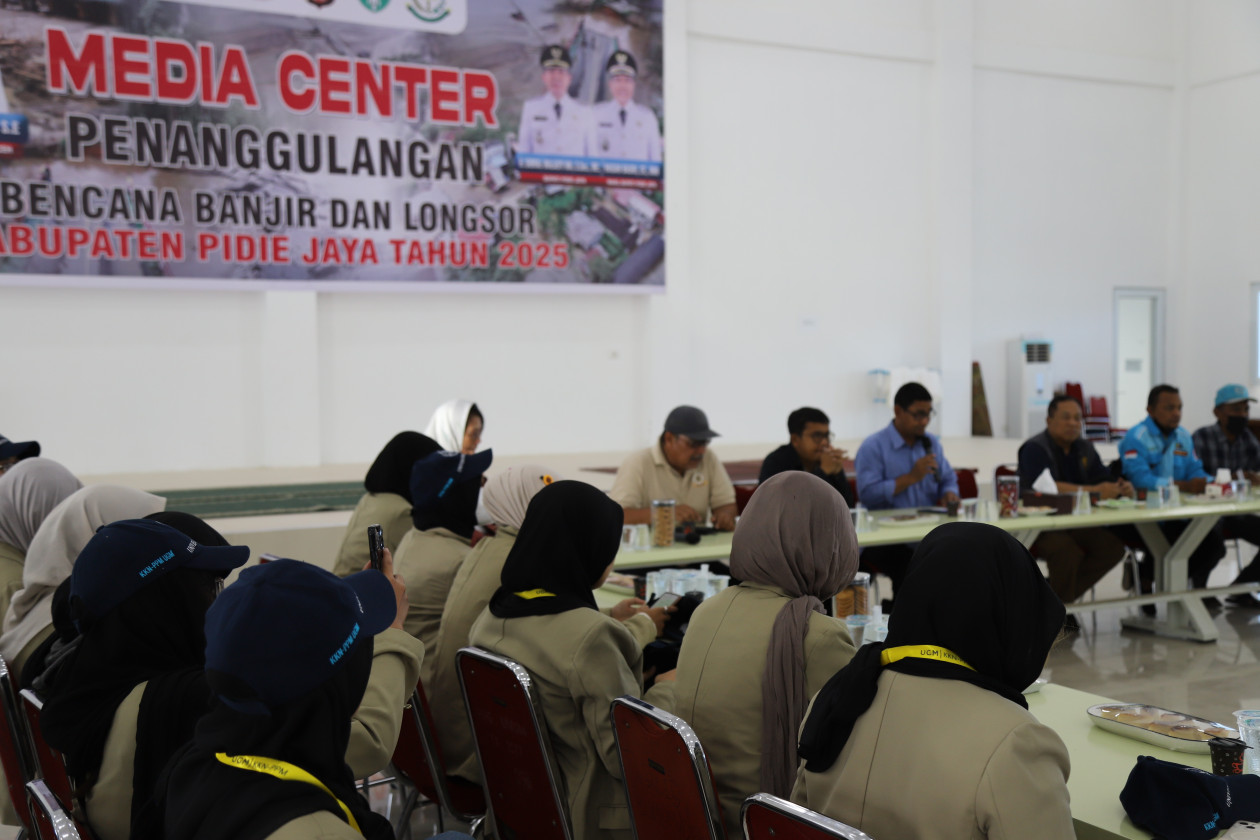
Dr. Sujito added that the government cannot work alone to encourage economic and psychological recovery following the disaster and therefore requires collaboration with various parties.
“Friends from UGM continue to design programs aimed at accelerating recovery and easing the burden on communities,” he said.
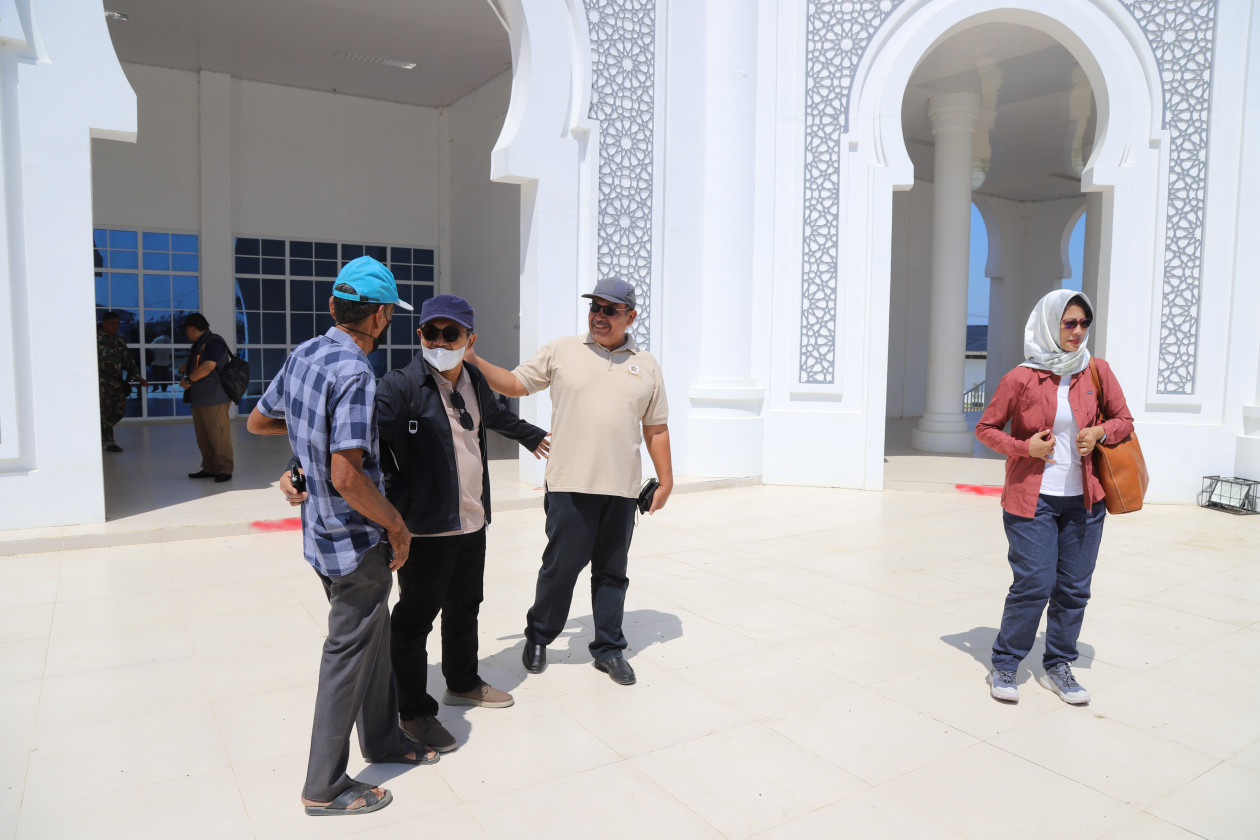
After two months of floods and landslides, data from the Aceh Disaster Emergency Response Post show that 91,663 people from 24,280 households in Aceh remain in evacuation shelters.
This condition indicates that Aceh has not yet recovered from the disaster’s impact, with many residents still living in tents for up to two months.
The presence of KKN students is expected to help communities recover and provide psychosocial assistance.
Before deployment, Secretary of the Directorate of Community Service, Dr. Djarot Heru Santosa, stated that the KKN-PPM Disaster Response team had received training on their primary field tasks.
The preparation covered the construction of temporary shelters (Huntara), sanitation, energy, electricity provision, and psychosocial support.
Author: Gusti Grehenson
Post-editor: Rajendra Arya