


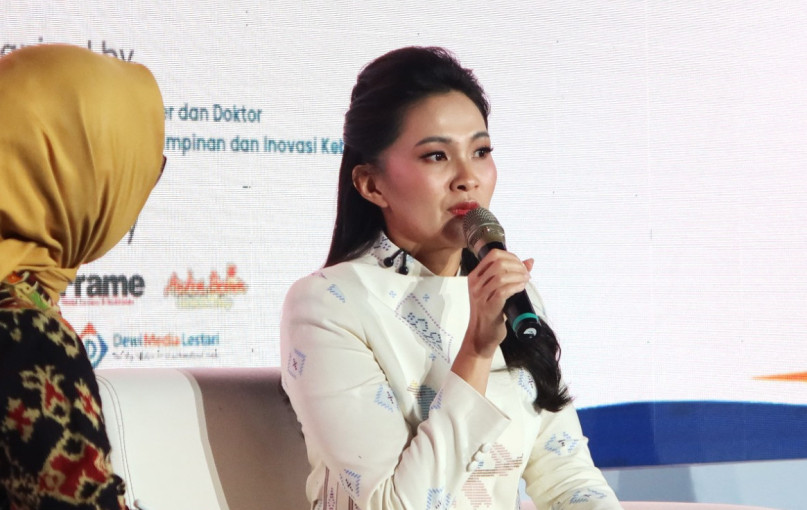
In today’s era, leaders must possess strong integrity and professionalism to create impact and bring meaningful change for the future. According to the Governor of North Maluku, Sherly Tjoanda, women can also play a comparable leadership role in driving sustainable transformation.
“Women leaders today are not here to dominate, but to complement and maintain balance,” Governor Tjoanda said at Leadership Day 2025, held at the Innovation and Creativity Hub of Universitas Gadjah Mada (GIK UGM) on Tuesday (Nov. 11).
As a governor, Tjoanda believes that women have a distinct advantage in the realm of empathy.
“Empathy is not a weakness. It enables sound decision-making because we truly listen. Empathy builds trust, which ultimately strengthens leadership legitimacy,” Tjoanda explained.
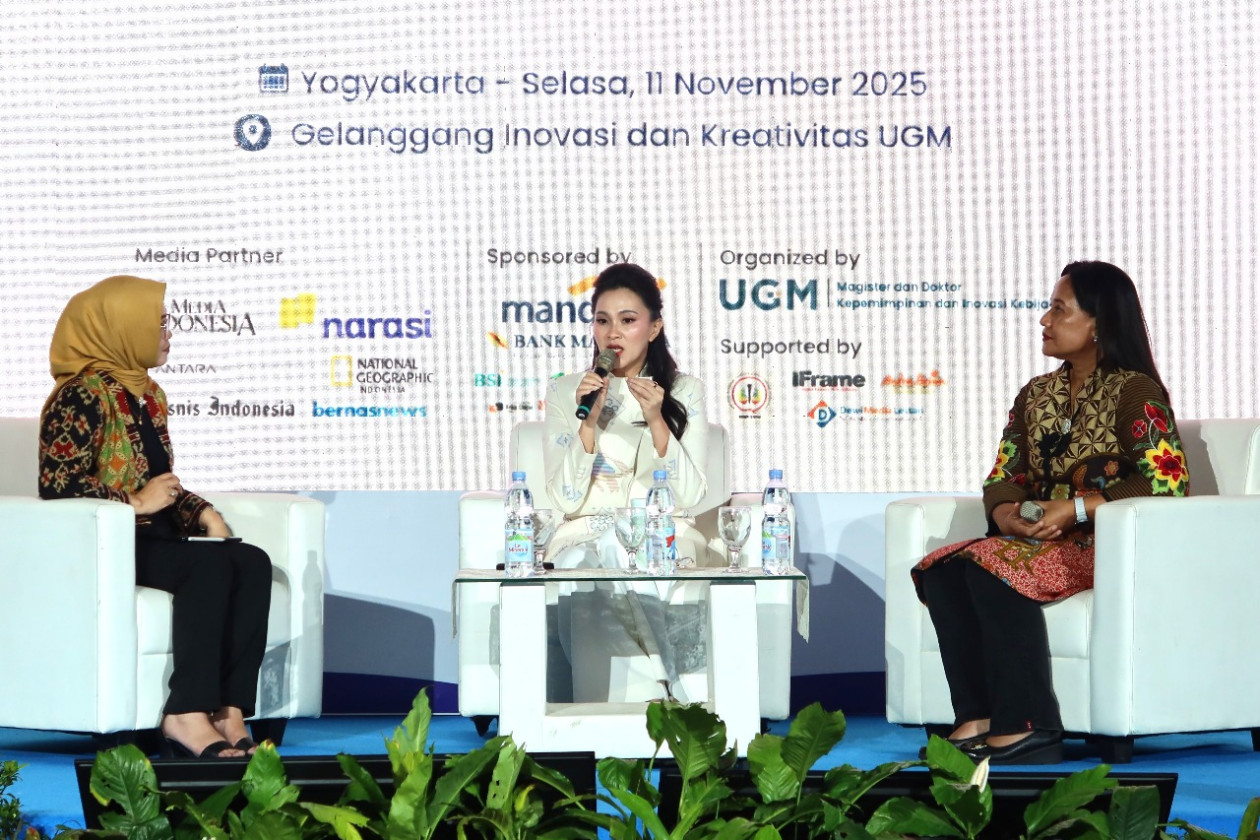
Leadership Day 2025 brought together national figures from diverse backgrounds to share their perspectives on leadership amid technological disruption, social change, and global challenges.
In addition to Sherly Tjoanda, the event featured President Director of BPJS Ketenagakerjaan Pramudya Iriawan Buntoro; Director-General of Science and Technology at the Ministry of Higher Education, Science, and Technology of Indonesia, Dr. Ahmad Najib Burhani; Managing Director of Holding Operational Daya Anagata Nusantara (Danantara), Agus Dwi Handaya; and Expert Staff for Socioeconomic and Cultural Affairs at the Ministry of Communication and Digital Affairs, Raden Wijaya Kusumawardhana.
Dr. Ahmad Najib Burhani discussed the importance of cross-disciplinary collaboration in addressing global issues, including digital technology, climate change, and geopolitical conflict. Through such collaboration, leadership skills become the bridge that connects values, ideas, and reality.
“Leaders must recognize the diversity within society and the conditions of the nation. Multiple approaches need to be combined to form more integrative perspectives so that we can create more beneficial outcomes,” Dr. Burhani said in his session.
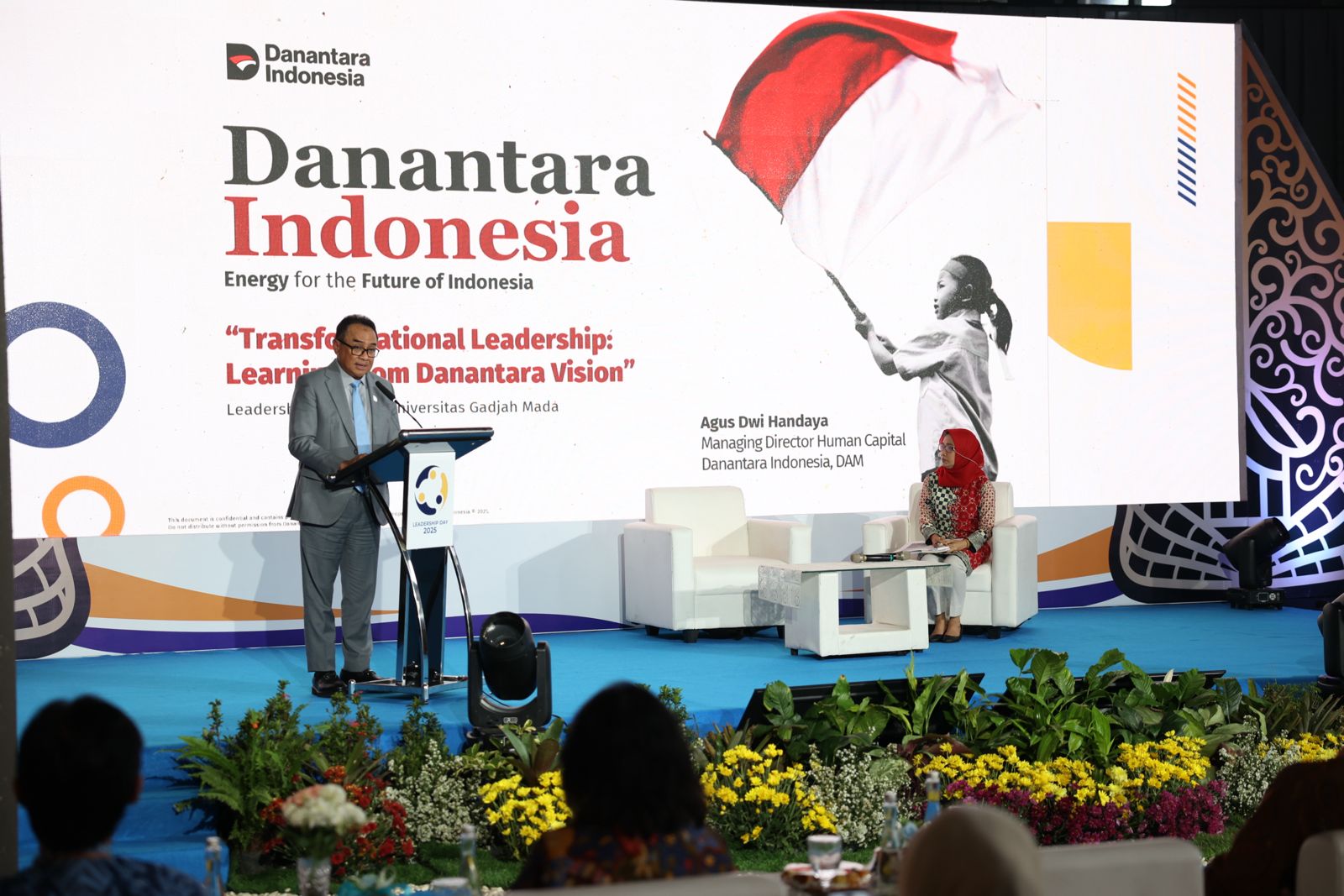
Meanwhile, Agus Dwi Handaya highlighted that transformational leadership is academically defined as leadership rooted in high integrity. He emphasized that effective leaders must drive change through exemplary behavior and a clear vision.
“A transformational leader is not only expected to have technical and strategic competence but also to serve as a strategic business leader, a strategic risk leader, and a strategic people leader, someone who can manage risks, mobilize teams, and create added value from emerging opportunities,” Handaya stated.
UGM Vice-Rector for Education and Teaching, Professor Wening Udasmoro, representing the rector, stated that modern leadership faces complex global challenges that require cross-sector collaboration. She underscored the need for leaders to strengthen competency and collaboration.
“Leadership today faces high complexity. We need an inclusive vision and concrete action, not merely quantitative outputs. UGM is committed to becoming a center for nurturing globally competitive leaders,” Professor Udasmoro said.
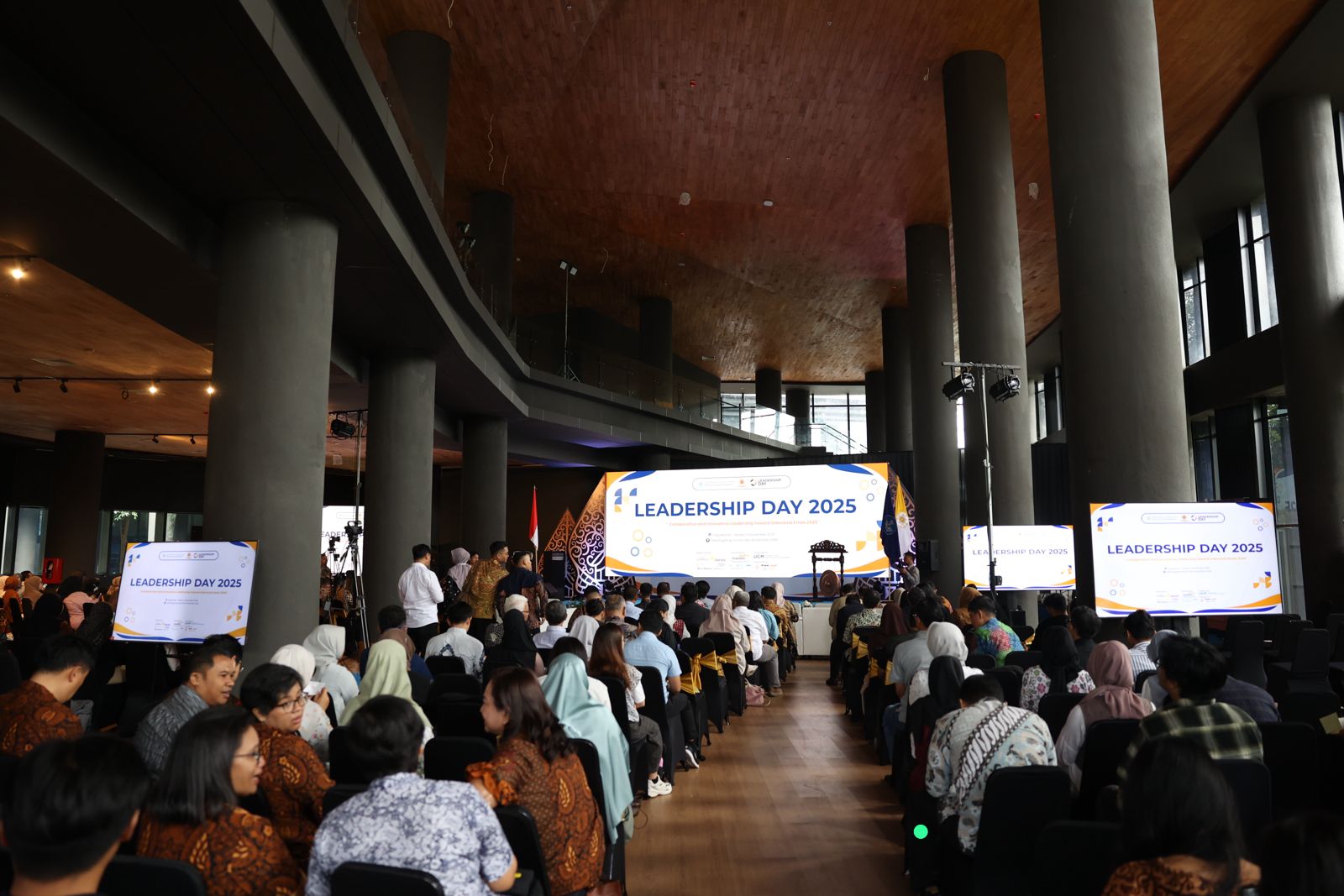
Professor Siti Malkhamah, the Dean of the Graduate School at UGM (SPs UGM), emphasized that Leadership Day, organized by the Master’s and Doctoral Programs in Leadership and Policy Innovation (DKIK), serves as a platform for reflection, inspiration, and collaboration across disciplines.
It brings together academics, practitioners, public leaders, and young individuals to enhance future leadership models that are adaptive, innovative, and focused on collaboration and change.
“Knowledge ownership must also be able to transform and evolve in line with the times. In this way, its impact and benefits can be widely felt,” Professor Malkhamah said.
Authors: Jelita and Lintang
Editor: Gusti Grehenson
Post-editor: Rajendra Arya
Photographer: Firsto Adi