


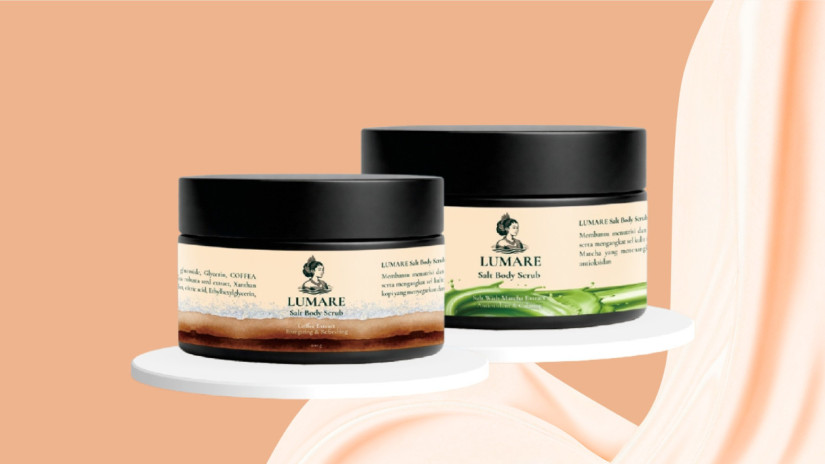
Researchers at Universitas Gadjah Mada (UGM) have developed a natural sea salt body scrub that transforms locally produced sea salt from Yogyakarta’s southern coast into a value-added cosmetic product. Named Lumare, short for Light from the Sea, the innovation aims to support Indonesia’s salt downstream industry while creating new economic opportunities for coastal communities.
The product was developed by a research team from UGM’s Center for Marine Resources and Technology Studies (PSSTK), which has been exploring ways to diversify the use of locally produced sea salt beyond conventional household consumption.
Professor Leni Sophia Heliani, who leads the research team, said the innovation seeks to increase the economic value of local sea salt by developing high-value personal care products.
“Our goal is to transform locally produced sea salt into innovative products with greater economic value while supporting the development of Indonesia’s marine resources,” she said on Thursday (July 23).
Sea salt serves as Lumare’s natural exfoliating ingredient, helping remove dead skin cells and impurities while gently cleansing the skin. The team selected sea salt harvested along Yogyakarta’s southern coastline because of its natural purity and clean production process, making it well suited for cosmetic applications.
The body scrub is available in two formulations. The Coffee variant is designed to refresh and revitalize the skin, while the Matcha variant promotes relaxation and a soothing skincare experience.
According to Professor Heliani, the research also aligns with Indonesia’s downstream industrialization strategy under Presidential Regulation No. 17 of 2025, which encourages greater value creation from locally produced salt through products such as cosmetics.
“As consumer preferences continue shifting toward natural, safe, and environmentally friendly personal care products, locally sourced sea salt offers considerable potential as a sustainable cosmetic ingredient,” she said.
Beyond product innovation, the project also aims to strengthen the livelihoods of salt-producing communities by expanding market opportunities for locally harvested sea salt.
The researchers emphasized that Lumare has undergone dermatological irritation testing to help ensure its safety for skin application.
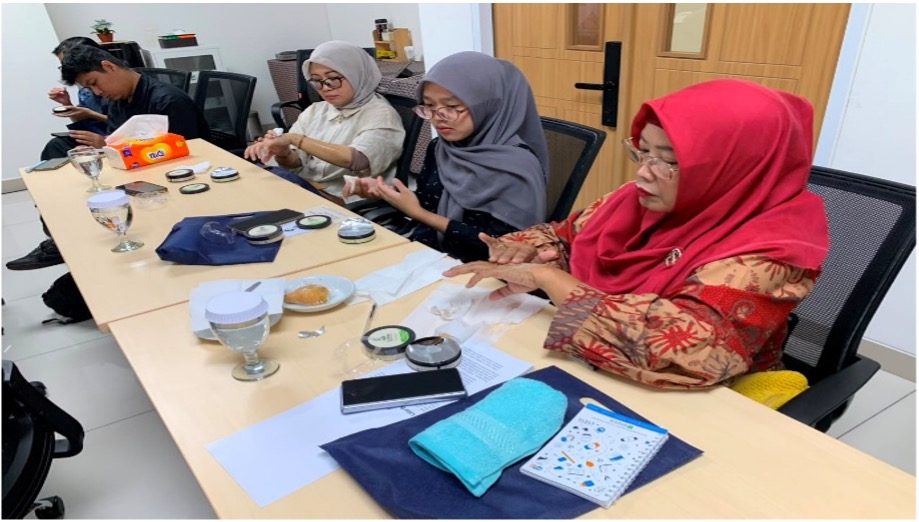
To support product commercialization, the research team organized a focus group discussion on market research and product validation at UGM’s Faculty of Engineering on July 11.
The session brought together representatives from government, academia, and industry to evaluate market opportunities, product positioning, branding strategies, and commercialization prospects.
Head of the Yogyakarta Marine Affairs and Fisheries Office R. Hery Sulistio Hermawan welcomed the initiative, saying collaboration among universities, government agencies, businesses, and communities is essential for translating research into products that benefit society.
“Strong collaboration is vital to ensure research innovations create real economic and social impact,” he said.
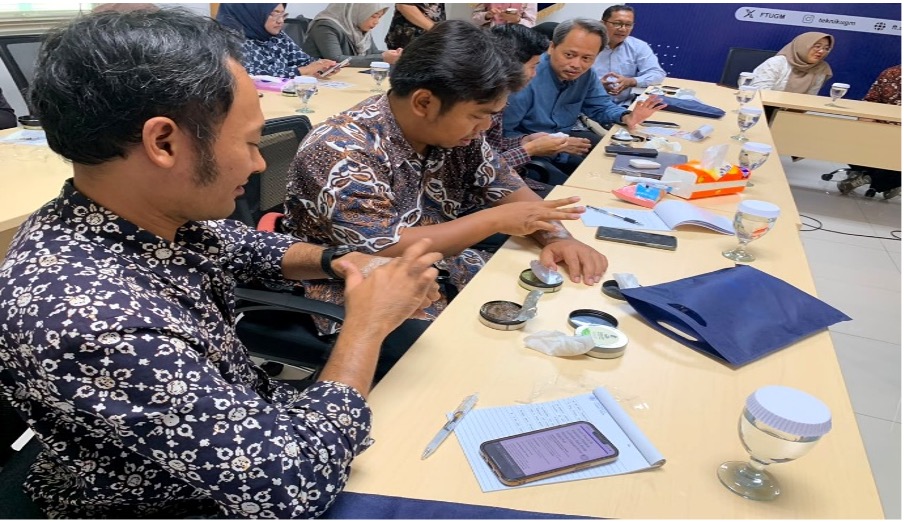
During the discussion, participants identified growing consumer demand for natural body care products while noting that public awareness of sea salt-based cosmetics remains relatively limited. They recommended strengthening product branding and consumer education to differentiate Lumare from similar products already available on the market.
Participants also evaluated the product directly by testing the body scrub and providing feedback on its texture, fragrance, packaging, target market, and marketing strategy.
Professor Heliani hopes Lumare will demonstrate how university research can contribute not only to scientific advancement but also to sustainable local economic development.
“We hope innovations like Lumare can increase the value of locally produced sea salt while encouraging stronger collaboration between researchers, industry, government, and coastal communities,” she said.
Author: Jesi
Editor: Gusti Grehenson
Post-Editor: Priyanandaningrat
Photo: Documentation of Lumare Team