


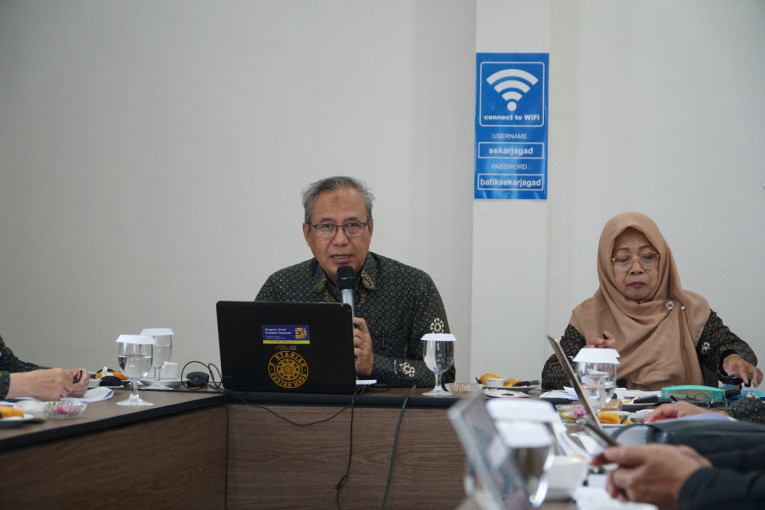
The Employees Corps of Universitas Gadjah Mada (Korpagama) held its annual planning meeting (Rapat Kerja, or Raker) at Wisma MM UGM, Yogyakarta, on Saturday (Feb. 14). The meeting was led by Professor Achmadi Priyatmojo, Chair of Korpagama, and attended by board members. This served as an important consolidation forum to evaluate the implementation of the 2025 work programs and discuss the direction of the 2026 programs, also presented the financial report and strategic ideas for the organization to continue playing an active role within the campus environment.
During the evaluation session, participants reviewed the achievements of all work programs implemented throughout 2025. Various inputs and aspirations gathered from previous programs were used as a basis for reflection to refine future work plans.
One key point discussed was improving Korpagama’s outreach mechanisms to university leaders and members to better address the needs of the academic community.
In addition, discussions covered the preparation of the Korpagama White Paper, which is expected to serve as a long-term organizational guideline.
“We need to formulate clear strategic steps so that Korpagama can address challenges and ensure the sustainability of benefits for all members,” said Professor Priyatmojo.
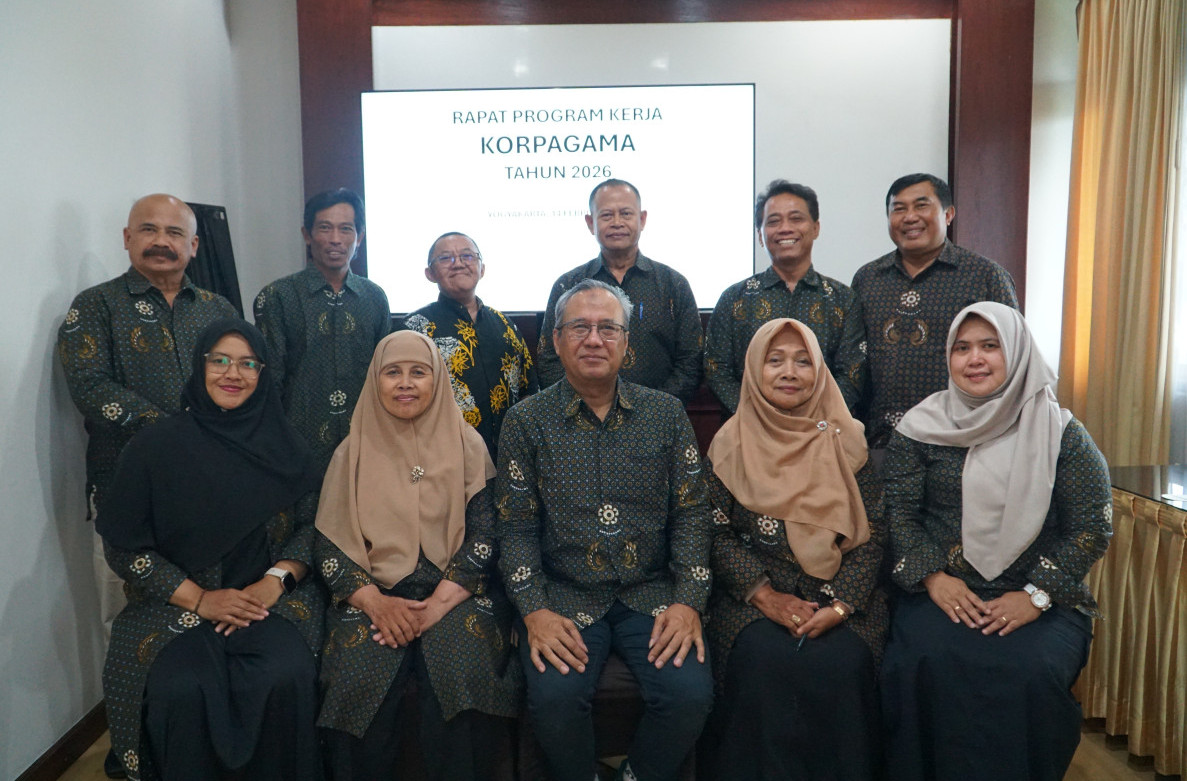
The presentation of work programs at the meeting included several priorities to be carried out by the board in the coming year. One of them was strengthening the capacity of board members to manage a high-performing and adaptable organization.
Another key focus was strengthening transparency and accountability in the management of Korpagama funds, including more intensive communication with university leaders as strategic partners.
“We want this organization to become increasingly beneficial, with a foundation of professional governance and responsiveness to members’ needs,” Professor Priyatmojo stated.
In addition, Professor Priyatmojo highlighted the importance of expanding members’ understanding and involvement in every work program. This effort is designed to ensure that all members experience tangible benefits from Korpagama’s presence within UGM.
Strengthening the internal structure and developing the individual capacity of board members were also considered essential elements in program implementation.
“Strong collaboration will ensure that every work program runs effectively and has a broad impact on the UGM community,” Professor Priyatmojo emphasized.
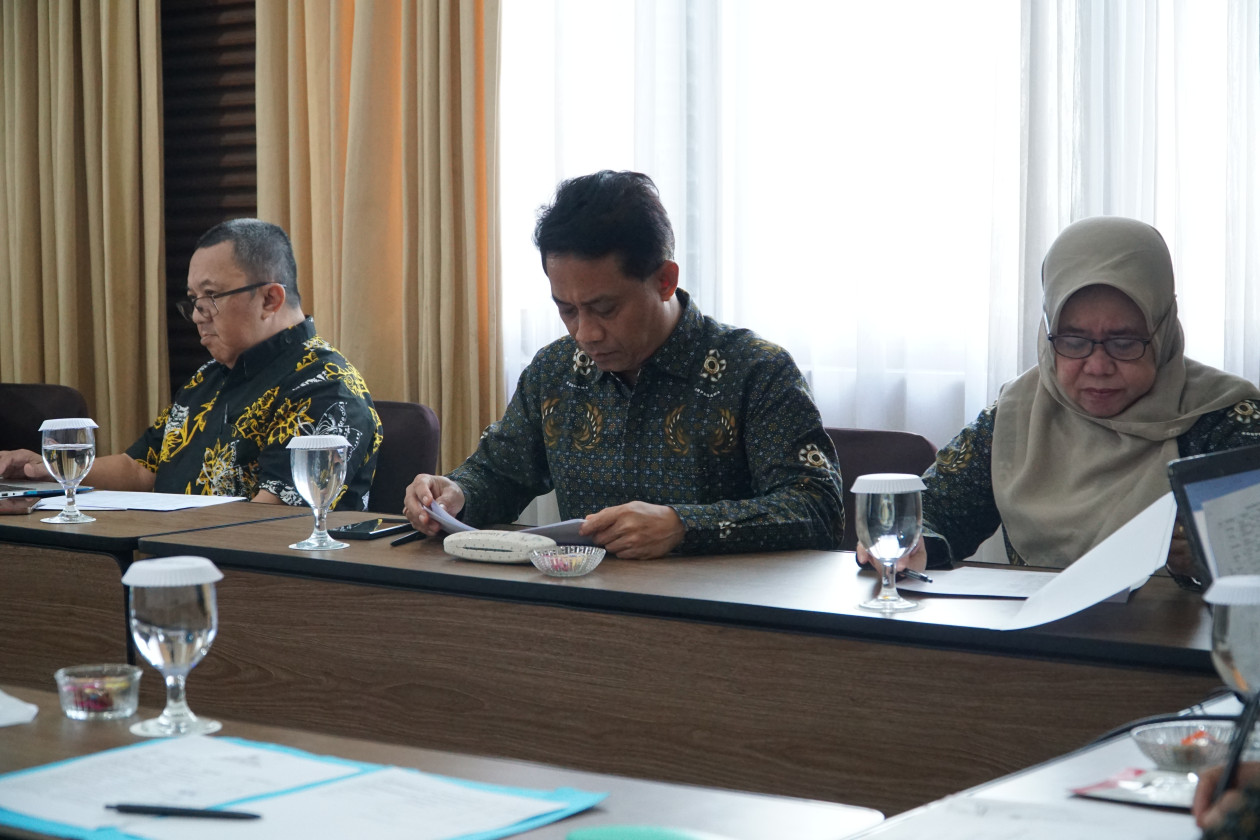
As an organization that represents employees within the campus environment, this work meeting marked a momentum to strengthen organizational capacity and reflect on the direction of Korpagama’s programs.
Through the jointly agreed programs, the organization is expected to become more resilient in responding to the demands of the times. The Korpagama board remains committed to creating added value for all members and the broader UGM academic community.
In the future, Korpagama is directed to become an active partner in supporting the vision and mission of Universitas Gadjah Mada.
Author: Triya Andriyani
Post-editor: Jasmine Ferdian
Photo: Korpagama Documentation