


Universitas Gadjah Mada (UGM) welcomed a delegation from Rheinisch-Westfälische Technische Hochschule (RWTH Aachen), Germany, on Monday (Feb. 9) at the UGM Central Office. The meeting discussed plans to extend the memorandum of understanding (MoU) between the two universities, which was originally signed in 2017. Both parties agreed to strengthen collaboration in science and social research and expand joint initiatives with one of Germany’s leading technical research universities.
RWTH Aachen, the alma mater of Indonesia’s third President, B.J. Habibie, previously collaborated with UGM’s Faculty of Engineering in 2018 to establish the German-Indonesian Geo-Campus Geological Laboratory in Indonesia.
The initiative was part of the German-Indonesian Competence Center for the Improvement of Education and Research for Organizations (GetIn-CICERO), funded directly by the German Federal Ministry of Education and Research.
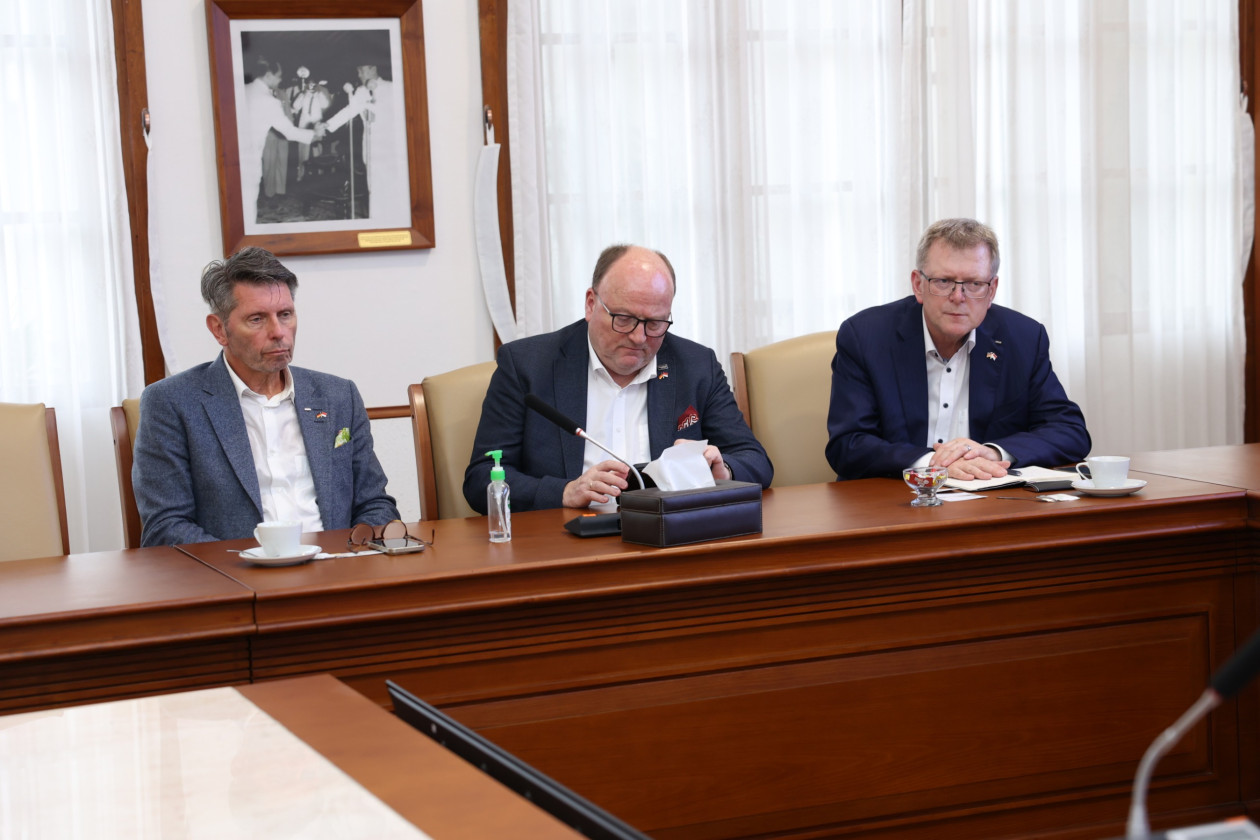
UGM Vice Rector for Research, Business Development, and Partnerships, Dr. Danang Sri Hadmoko, stated that the two universities had agreed to enhance research in both the sciences and the social sciences.
He expressed hope that such research would increase public and governmental awareness of the development of the mining and industrial sectors.
“Indonesia’s natural resources are abundant and diverse. At the same time, Indonesian researchers, academics, and the government continue to engage with Indigenous communities, who may have different perspectives on biodiversity,” he said.
Dr. Hadmoko further expressed his hope for continued collaboration through joint research and projects in disaster mitigation, workshops, summer schools, training programs for lecturers and researchers, laboratory infrastructure development in the Department of Geological Engineering (Geology UGM), and conferences, including one successfully held in 2022.
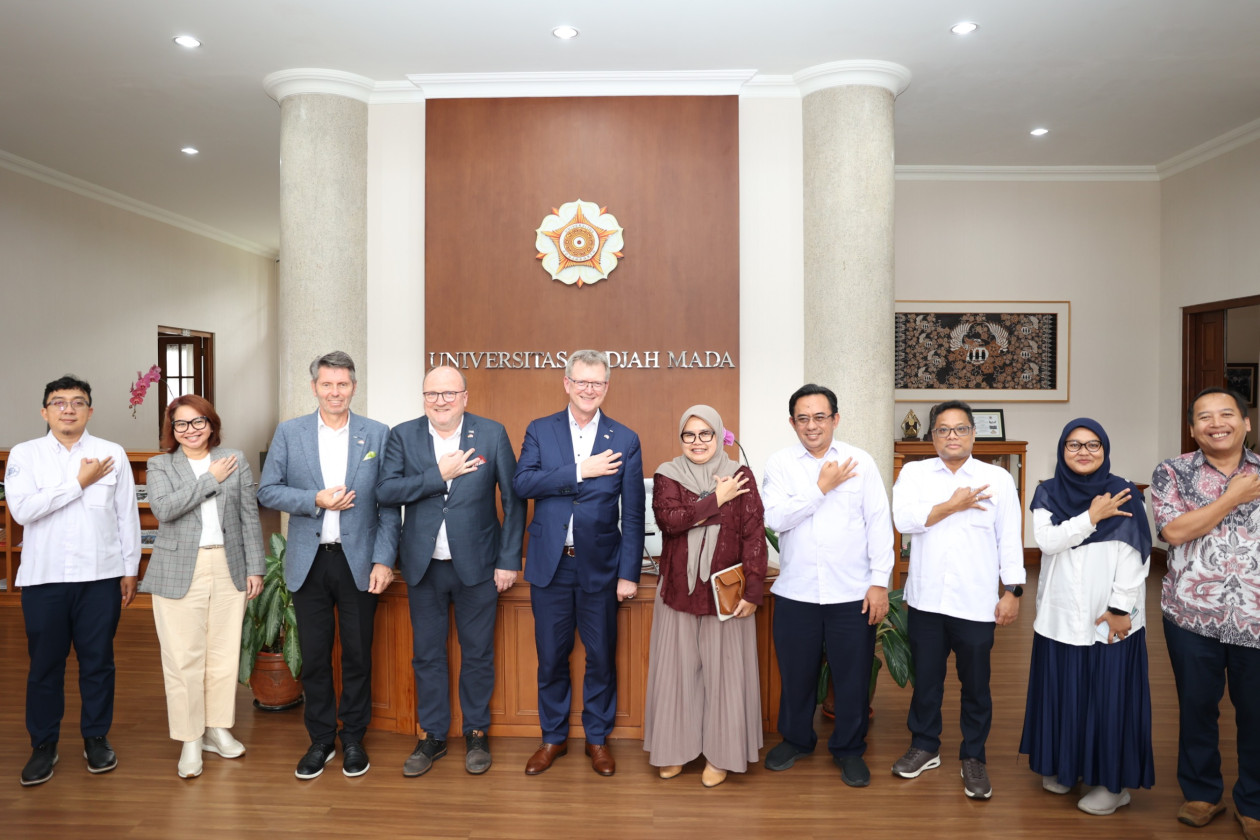
Dean of the Faculty of Georesources and Materials Engineering at RWTH Aachen, Professor Peter Kukla, emphasized the importance of advancing life sciences to generate outcomes that support public welfare.
According to Professor Kukla, numerous research initiatives and engineering projects have been undertaken.
However, there is a need to strengthen natural sciences as branches of life sciences, including mathematics, biology, chemistry, and physics, which systematically study natural phenomena.
“Science must be applied broadly for the benefit of society,” he said.
The discussion concluded with both parties proposing a range of programs and projects aimed at advancing public welfare. This continued commitment reflects the dedication of both universities to fostering a research ecosystem that supports the Sustainable Development Goals.
Author: Ika Agustine
Editor: Gusti Grehenson
Post-editor: Jasmine Ferdian
Photographer: Firsto Adi