


Lithium-ion batteries are electrochemical devices that convert chemical energy into electrical energy through redox reactions. Beyond serving as the primary power source for electric vehicles and various electronic devices, lithium-ion batteries also support energy storage systems (ESS), which help maintain grid stability while storing surplus electricity that cannot yet be optimally utilized.
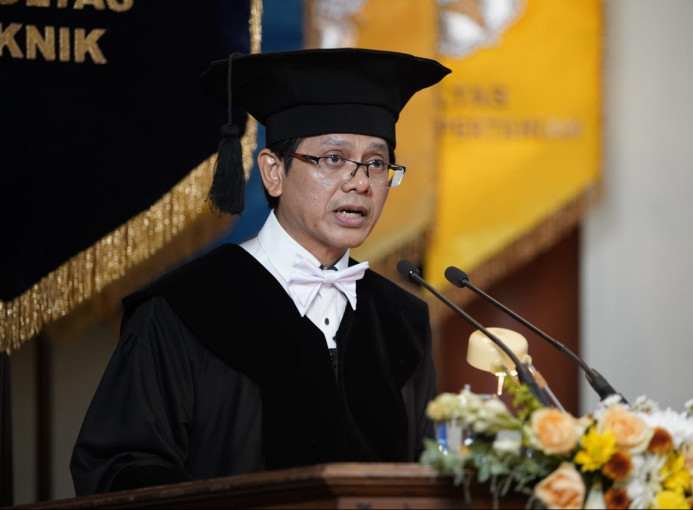
“Compared to primary resources found in nature, used lithium-ion batteries are essentially concentrates of valuable metals,” said Professor Indra Pradana from the Department of Chemical Engineering, Faculty of Engineering, Universitas Gadjah Mada (FT UGM), during his inauguration speech as Professor in Inorganic Material Processing and Recycling at the UGM Senate Hall on Wednesday (Dec. 3).
In his inaugural address titled “Lithium-Ion Battery Recycling as a Key to a Sustainable Clean Energy Transition,” Professor Pradana stated that maintaining the reliability of the renewable energy supply requires an efficient and resilient energy storage system.
“Among the various forms of energy storage systems being developed, lithium-ion batteries currently play a crucial role,” he explained.
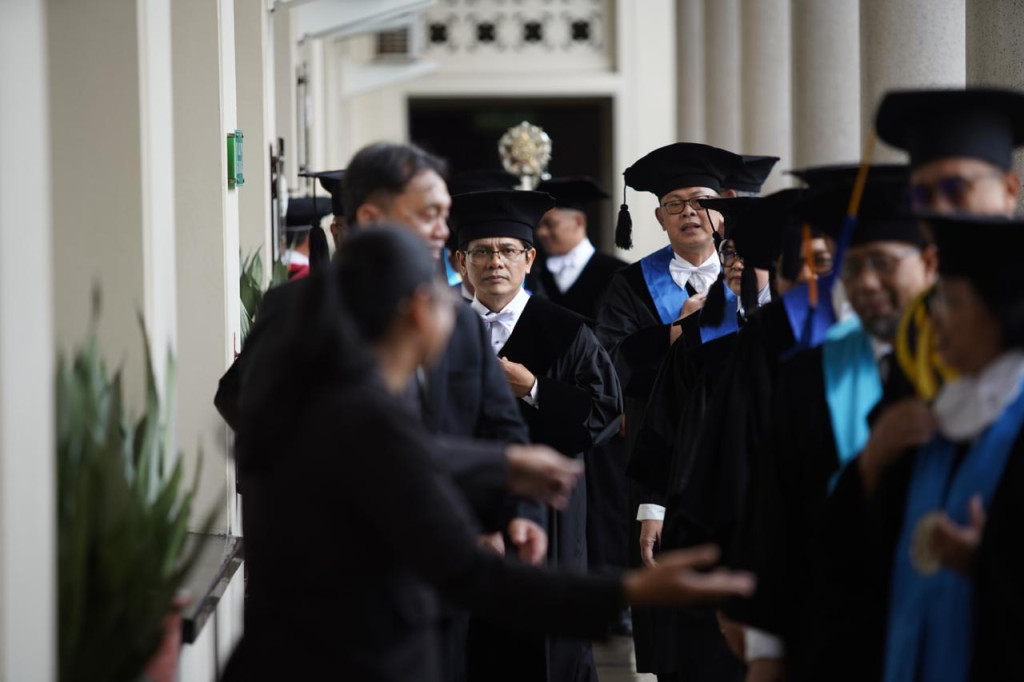
According to him, used lithium-ion batteries constitute a strategic secondary resource that plays an important role in sustaining the critical mineral supply chain, given the elemental content of the black mass they contain.
“Through recycling processes, the metals contained in these batteries can be recovered and returned to the battery production cycle,” he said.
Recycling used lithium batteries, he added, is not merely a waste treatment process but an integral part of the circular energy economy.
Based on the latest national battery ecosystem roadmap, anticipating future growth in domestic end-of-life battery volumes, the battery recycling industry is projected to begin operations in the 2031–2040 period.
By applying the total recovery concept, all constituent components of lithium-ion batteries are expected to be reclaimed.
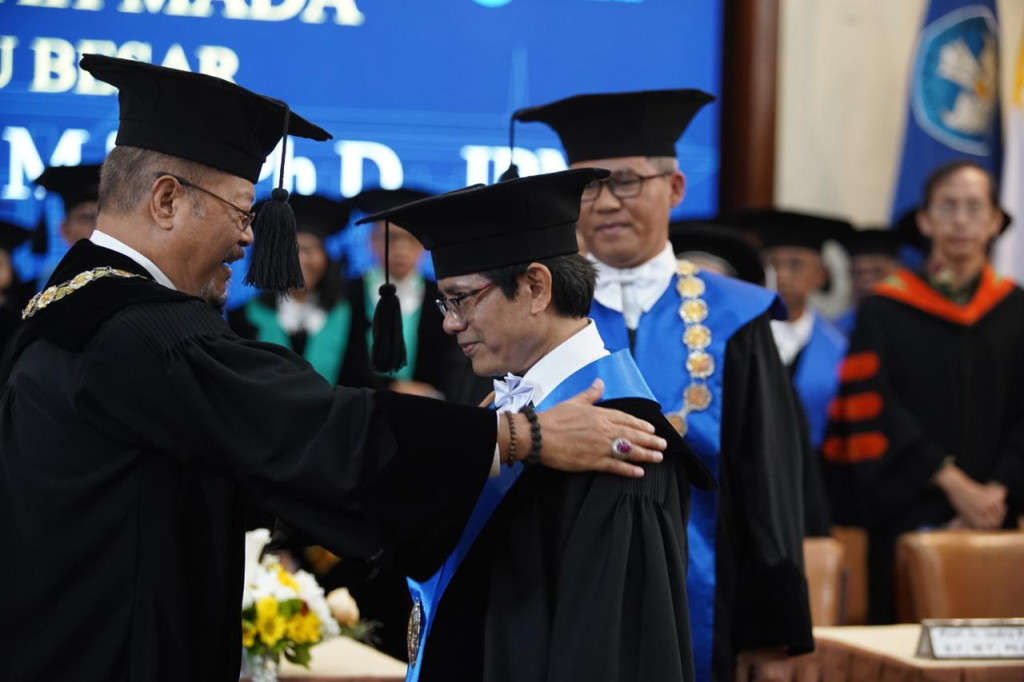
Professor Pradana emphasized that he and his research team on sustainable electronic waste and battery recycling at Universitas Gadjah Mada have been engaged in lithium-ion battery recycling research for more than a decade.
The process technologies developed by the team have achieved material purity, property characteristics, and morphology that meet minimum standards for lithium-ion battery raw materials.
“Used batteries are not merely hazardous waste, but can become highly valuable secondary resources when handled properly. Lithium-ion batteries play a vital role as energy storage media that bridge the intermittency of renewable energy and the demand for a stable energy supply,” he said.
Chair of the UGM Professorial Board, Professor Muhammad Baiquni, stated that Professor Indra Pradana is one of 539 active professors at UGM and one of 87 active professors among the 108 professors FT UGM has had to date.
Author: Jelita Agustine
Editor: Gusti Grehenson
Post-editor: Salma
Photographer: Firsto Adi