


The Faculty of Animal Science, Universitas Gadjah Mada (Animal Science UGM), held a workshop titled “Waste Processing Workshop: Community-Driven Waste Management and Circular Economy in Yogyakarta” on Wednesday (Dec. 10).
The event was part of the CircuLife–SLI 2025 program, which focuses on community-based waste management and the circular economy. In his opening remarks, the Dean of Animal Science UGM, Professor Budi Guntoro, emphasized that the waste management program aligns with UGM’s Health Promoting University (HPU) goals.
“We are concerned to see data showing that only around 40 percent of waste in Yogyakarta can be processed and managed properly,” Professor Guntoro stated.
Echoing the dean’s remarks, the Head of Triharjo Village, Sleman, Irawan, said that waste management is a shared responsibility, not solely an individual one. However, he acknowledged that public awareness remains limited.
“Sanctions have already been enforced in our area. Yesterday, only one case of illegal dumping involved a Triharjo resident, while four others came from outside the area,” Irawan said.
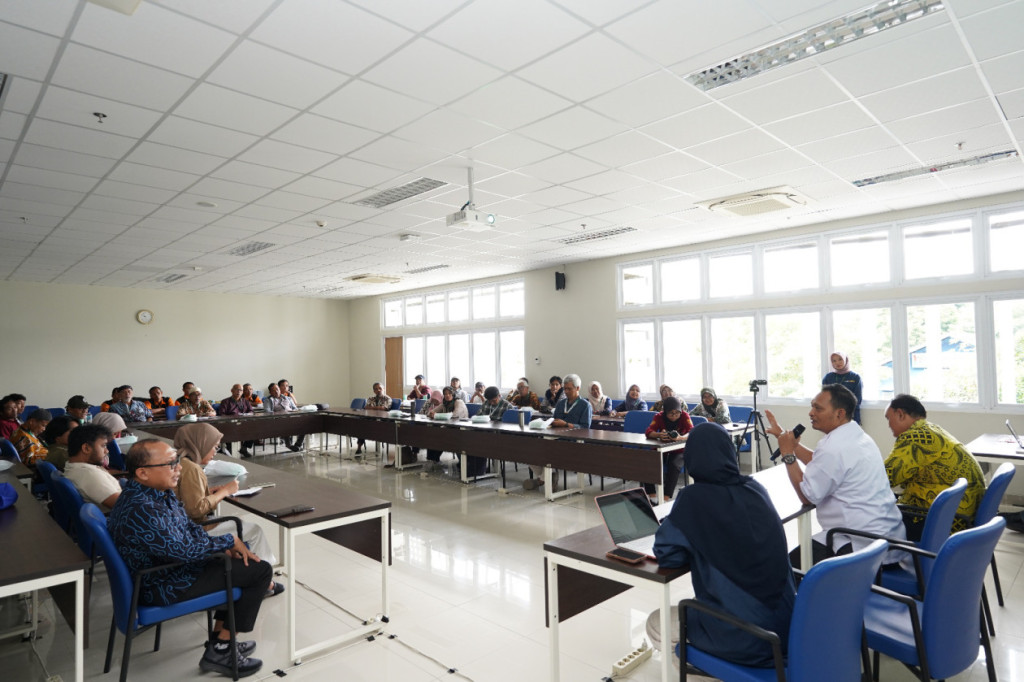
Drawing lessons from the success of Panggungharjo Village in managing waste, the first workshop session featured the Head of Panggungharjo Village, Ari Suryanto, who introduced a communal waste management model through a village-owned enterprise (BUMDes), a best practice that has become a national reference.
He explained that Panggungharjo Village began developing a responsible waste management system in 2013 based on five pillars: political infrastructure, social infrastructure, economic infrastructure, technological infrastructure, and knowledge transfer through the establishment of the Urban Waste Management Education Center.
“Since 2013, Panggungharjo Village has been able to process organic waste, residual waste, used cooking oil, and recyclable scrap. Waste segregation has been the key to the village’s success,” Suryanto explained.
Meanwhile, the second session was delivered by a lecturer from Animal Science UGM, Dr. Viagian Pastawan. He highlighted the importance of processing organic waste to prevent environmental pollution, particularly as excessive nitrogen content can seep into soil or surface water.
Reporter: Animal Science UGM/Satria
Author: Agung Nugroho
Post-editor: Rajendra Arya
Photographer: Margiyono