


In recent years, the Gunung Sewu karst region has faced increasing pressure from intensive tourism development. Several construction projects have significantly altered the karst landscape. These activities have raised concerns over environmental carrying capacity and the sustainability of water resources.
Damaged karst areas risk disrupting complex, fragile underground hydrological systems. The impacts of such degradation may be felt by surrounding communities in the long term.
In fact, the region serves as a critical water buffer and a living space for rural and coastal communities. Therefore, development policies oriented toward karst protection are needed, requiring synergy among academics, civil society, and policymakers.
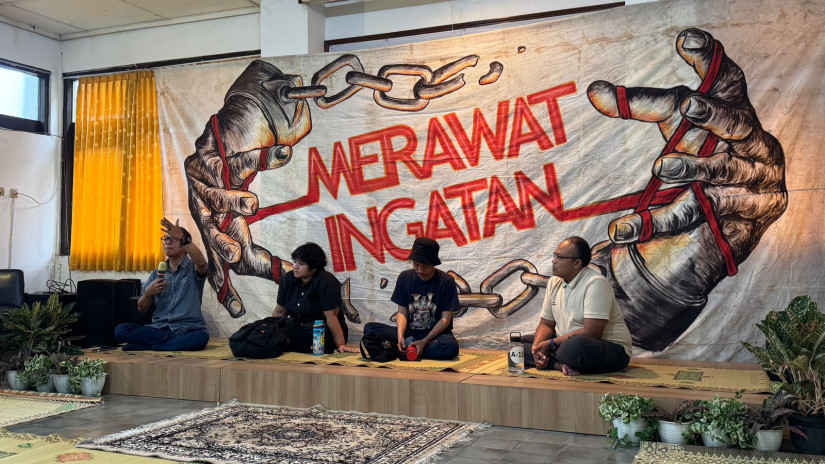
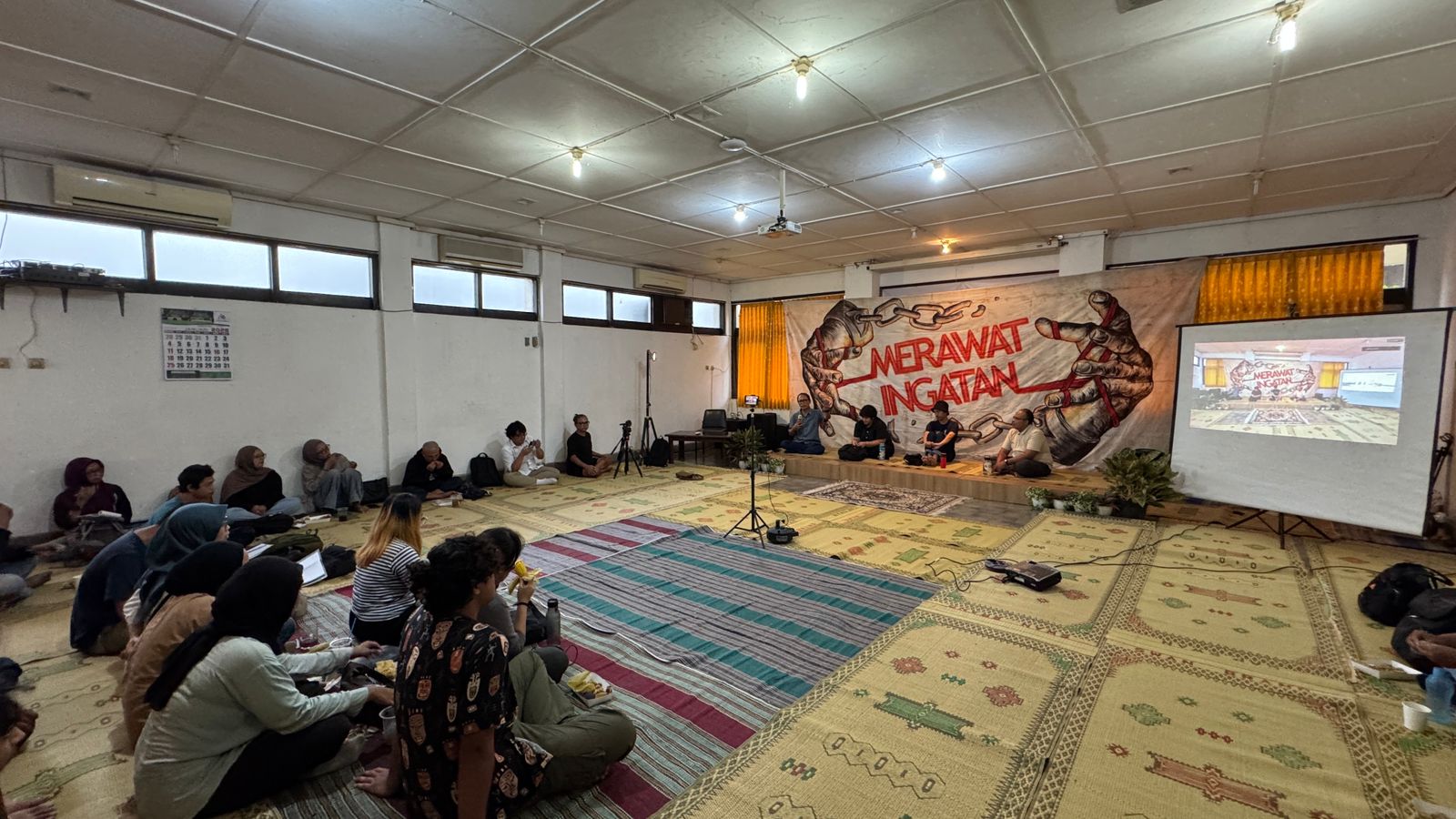
These issues were discussed at a forum organized by the Center for Rural and Regional Studies, Universitas Gadjah Mada (PSPK UGM), titled “Caring for the Gunung Sewu Karst: Agrarian Conflict, Water, and Power,” held on Wednesday (Jan. 14) at the PSPK Office.
The discussion brought together academics, representatives of civil society groups, and local government officials.
UGM sociologist A. B. Widyanta emphasized that the Gunung Sewu karst cannot be separated from the long-standing relationship between nature and society. Karst functions as an ecological system that supports life in regions with limited surface water.
Development that ignores the characteristics of karst landscapes is considered risky and may disrupt this balance. Ecological perspectives, he argued, must be placed on par with economic interests.
“The Gunung Sewu karst is a living space shaped by a long relationship between humans and nature, and its management therefore requires great care,” Widyanta said in a statement to the media on Tuesday (Jan. 20).
He also highlighted how tourism development often transforms the meaning of living spaces for local communities. Landscapes that once held cultural and symbolic value have undergone functional shifts.
These changes affect social relations and how communities perceive their environment. Development frequently emerges as a dominant force that sidelines local knowledge.
“Tourism buildings may appear grand, but they erode the noble values of Gunungkidul that communities have long safeguarded,” Widyanta noted.
According to him, karst-related issues cannot be separated from power relations in spatial governance. Investment interests often carry more weight than citizens’ voices. Limited public participation increases the risk of agrarian conflicts, leaving communities vulnerable.
“When tourism development is prioritized over ecological interests, what is sacrificed is the sustainability of living spaces,” he said.
From a civil society perspective, Pitra Hutomo viewed Gunung Sewu as an area frequently misunderstood within development logic. Karst landscapes are more often seen as economic objects rather than living ecosystems.
A volunteer with the NGO Ruang, Hutomo, stated that the Gunung Sewu karst area holds interconnected ecological and cultural values. Ignoring karst functions leads to environmental and social vulnerability.
“Gunungkidul should be cared for as a living space, not treated as a zone of exploitation,” he said.
On the same occasion, Himawan Kurniadi from NGO Ruang presented the latest developments in tourism in the Gunung Sewu karst region. He drew attention to projects that physically cut through karst formations.
Such developments are considered environmentally unfriendly and pose disaster risks. These risks, he noted, are often insufficiently accounted for.
“Developments that split karst landscapes, such as the On The Rock project, pose serious threats to ecological safety and surrounding communities,” he explained.
The discussion concluded by reaffirming the importance of cross-sector collaboration in safeguarding karst areas.
Karst protection requires synergy among academics, civil society, and policymakers. Approaches grounded in scientific knowledge and social justice were seen as essential foundations.
The forum was expected to encourage stronger public advocacy, as the Gunung Sewu karst area must be treated as a shared ecological heritage to be preserved for the future.
Author: Triya Andriyani
Post-editor: Salma
Photographs: PSPK UGM