


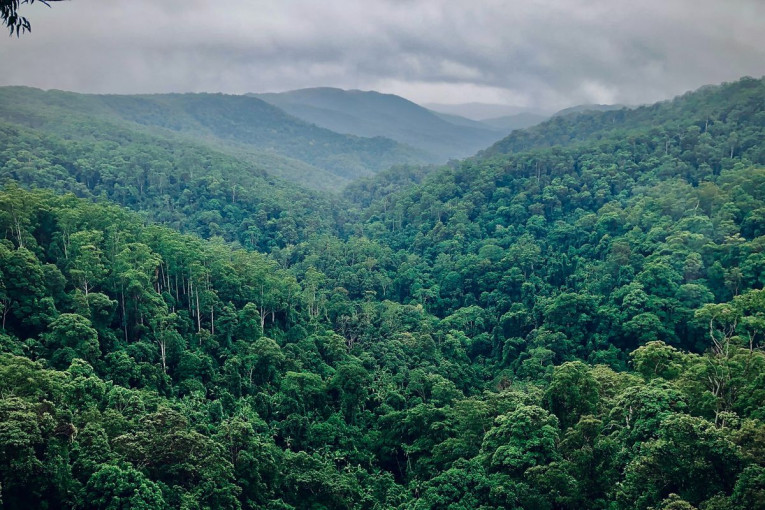
Indonesia is home to extraordinary biodiversity and is internationally recognized as a megadiverse country. However, this wealth faces serious challenges, including deforestation, climate change, environmental pollution, and the illegal wildlife trade.
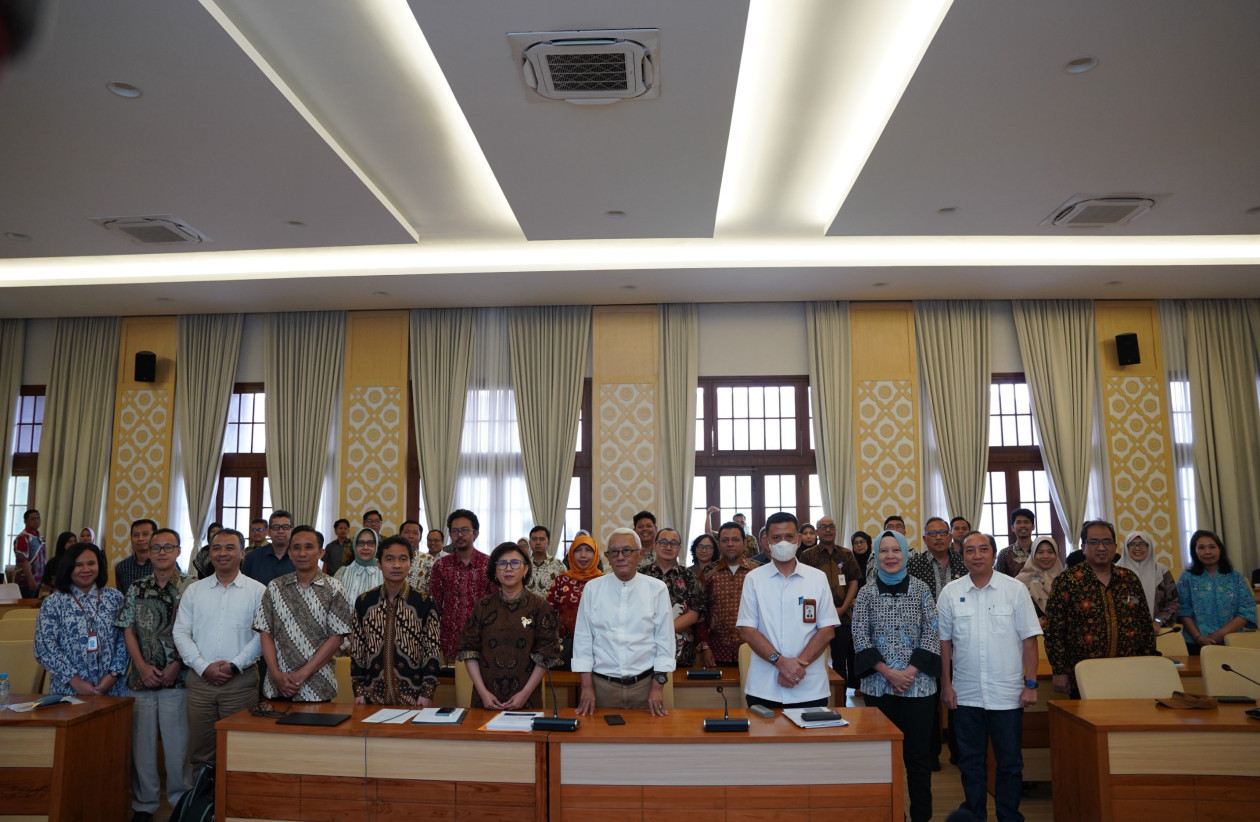
These conditions require coordinated, sustainable biodiversity management. This issue was raised during a national Focus Group Discussion (FGD) on biodiversity management held on Saturday (Jan. 31) in the Multimedia Room of the Universitas Gadjah Mada (UGM) Central Office.
UGM initiated the FGD in collaboration with Indonesia’s National Research and Innovation Agency (BRIN). UGM Rector, Professor Ova Emilia, attended this meeting along with BRIN Deputy Head, Professor Amarullah Oktavian, and researchers from UGM and BRIN.
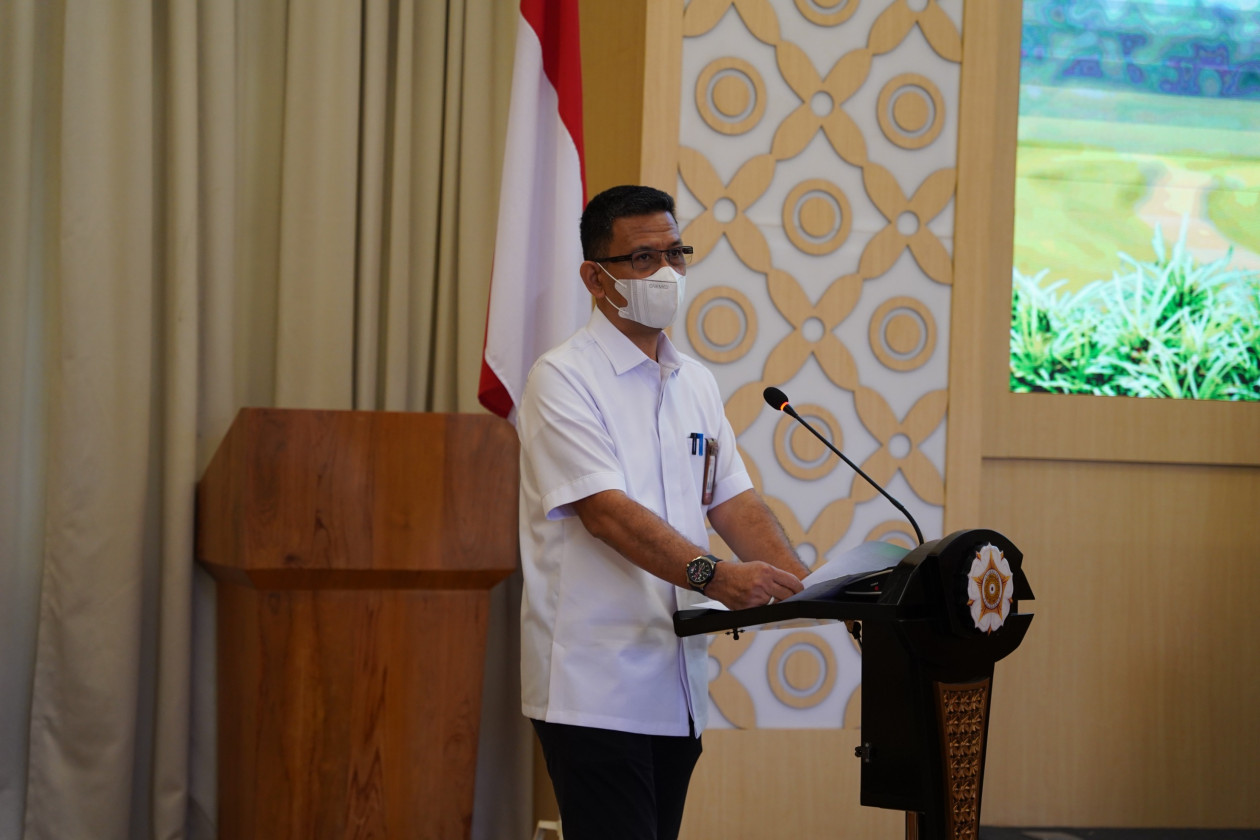
Professor Oktavian revealed that Indonesia is home to approximately 31,750 plant species and around 744,000 animal species. He noted that this enormous potential also carries significant risks.
According to data from the National Data Center for Communal Intellectual Property under the Ministry of Law, approximately 8,483 genetic resources and 491 items of traditional knowledge have been officially recorded. This figure is considered very small compared to Indonesia’s overall biodiversity potential.
“Let us ensure that every invention based on the nation’s biological resources receives protection in accordance with prevailing regulations,” he said.
BRIN Steering Board member Dr. Bambang Kesowo emphasized the importance of comprehensive, up-to-date data as a foundation for policy communication with the president. With robust data, the president can provide clearer direction to government institutions.
“The data can be drawn from various cases. Even if it is not yet perfect, it becomes material to be continuously refined and evaluated,” Dr. Kesowo explained.
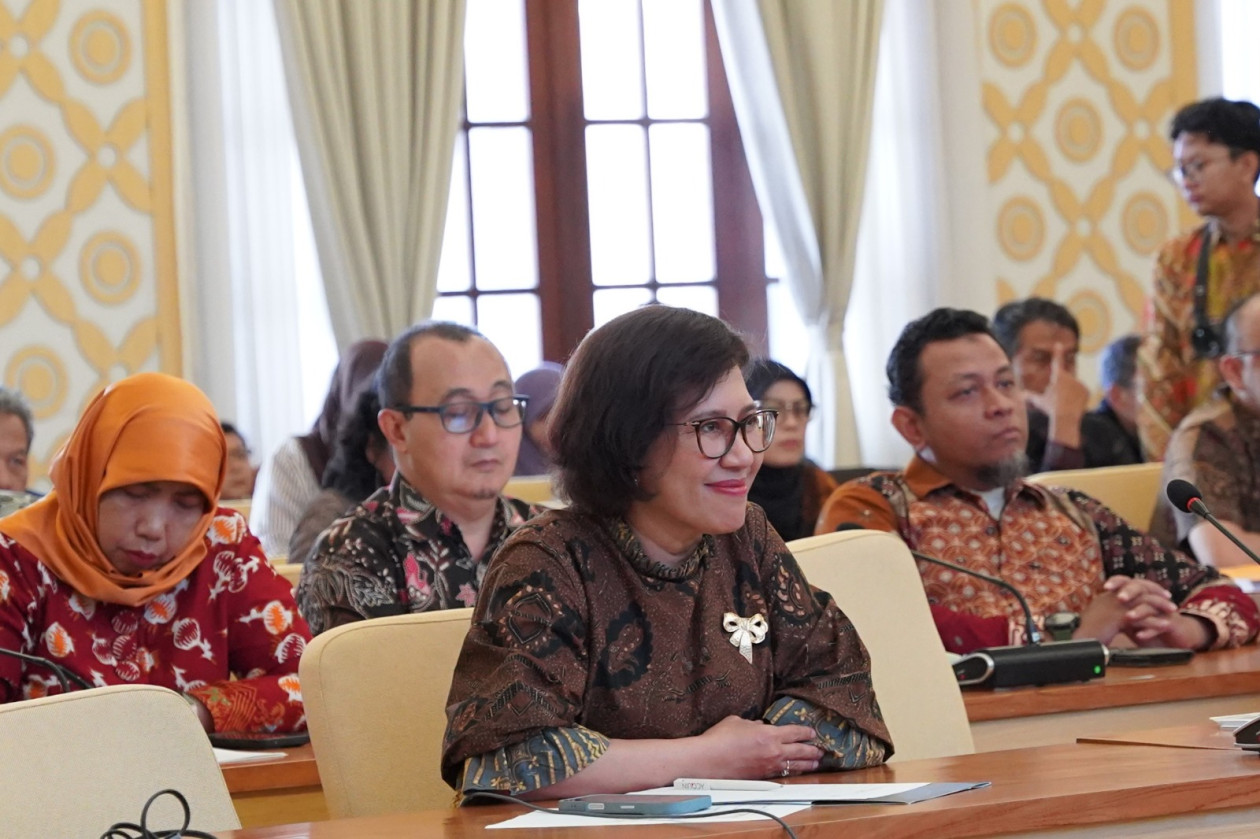
Rector Emilia expressed hope that BRIN could stand as a national research coordinator, particularly among universities. According to her, research collaboration remains insufficiently integrated and is often competitive.
“Clusters should be based on expertise, not merely university labels. They need to be reconnected through content- and expertise-based clusters,” the rector explained.
Rector Emilia further stressed that UGM is currently promoting a biodiversity and maritime research ecosystem. Along with BRIN, UGM reaffirmed its commitment to advocating for the strengthening of national research centers.
“We still have many national challenges. Our research ecosystem needs to be reinforced, including its infrastructure, which I believe is still lagging in some areas,” the rector said.
Dean of the UGM’s Faculty of Forestry (Forestry UGM), Dr. Sigit Sunarta, highlighted the importance of clear focus in biodiversity management. He gave the example that universities and BRIN play roles in research, while area management lies with the relevant ministries.
“From this perspective, it is clear that biodiversity management topics need to be sorted and focused,” he explained.
The issue of priority setting was also raised by the Vice Dean for Research, Community Service, and Cooperation at the Faculty of Animal Science, UGM (Animal Science UGM), Professor Yuny Erwanto.
Professor Erwanto cited the management of Zealand’s and the leading livestock commodities as an example.
“We need to agree on priority commodities. The challenge is that every party feels its commodity is the most important,” he said.
According to Professor Erwanto, this tendency reflects a national weakness in identifying priority sectors for international competition. Nevertheless, he emphasized the need for commodity classification, spanning national flagship commodities, pioneers, emerging, and protected commodities.
From a cultural perspective, Dean of the UGM’s Faculty of Cultural Sciences (FIB UGM), Professor Setiadi, highlighted the role of ethnobotany in safeguarding biodiversity through local strengths.
He cited studies in Gunungkidul indicating that biodiversity remains well preserved due to community-based food traditions.
“Food traditions have proven to contribute significantly to maintaining biodiversity,” he stated.
UGM’s Vice Rector for Research, Business Development, and Partnerships, Dr. Danang Sri Hadmoko, noted that no single discipline can solve complex problems alone. Biodiversity management, he continued, requires interdisciplinary collaboration and an understanding of ground practices.
“Whether in the context of coastal culture, maritime culture, or cultivation practices and others,” he said.
According to him, future biodiversity management should be directed to support national economic development through a biodiversity-based approach to bioeconomy, food self-sufficiency, health, and energy.
Author: Hanifah
Editor: Gusti Grehenson
Post-editor: Rajendra Arya Arifadi
Photographs: Unsplash and Hanifah