


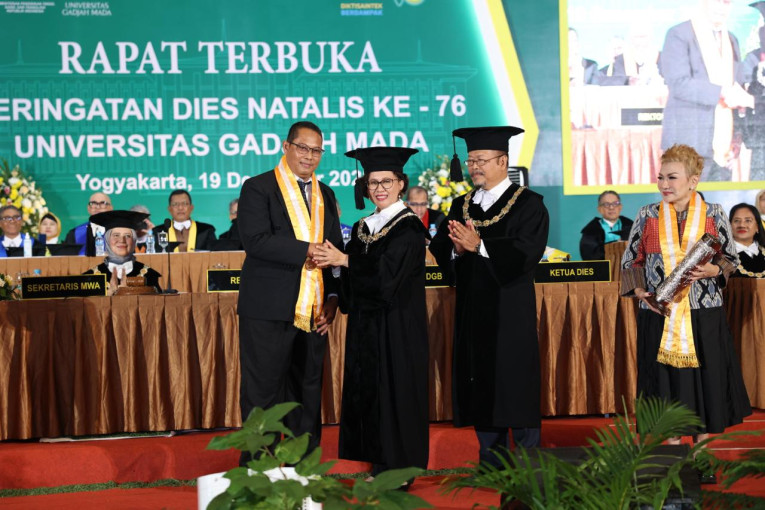
Transportation entrepreneur and Director of PT Eka Sari Lorena Group Eka Sari Lorena Soerbakti, along with Professor Abdul Rohman of the Faculty of Pharmacy, Universitas Gadjah Mada, received the Universitas Gadjah Mada (UGM) Award. The award was presented by UGM Rector, Professor Ova Emilia, during the celebration of UGM’s 76th Anniversary on Friday (Dec. 19) at Grha Sabha Pramana.
Eka Sari Lorena Soerbakti was honored for her contributions to fostering entrepreneurship among UGM students through the UGM Preneur program since 2022. Meanwhile, Professor Abdul Rohman received the award for his contributions to the development of halal product research.
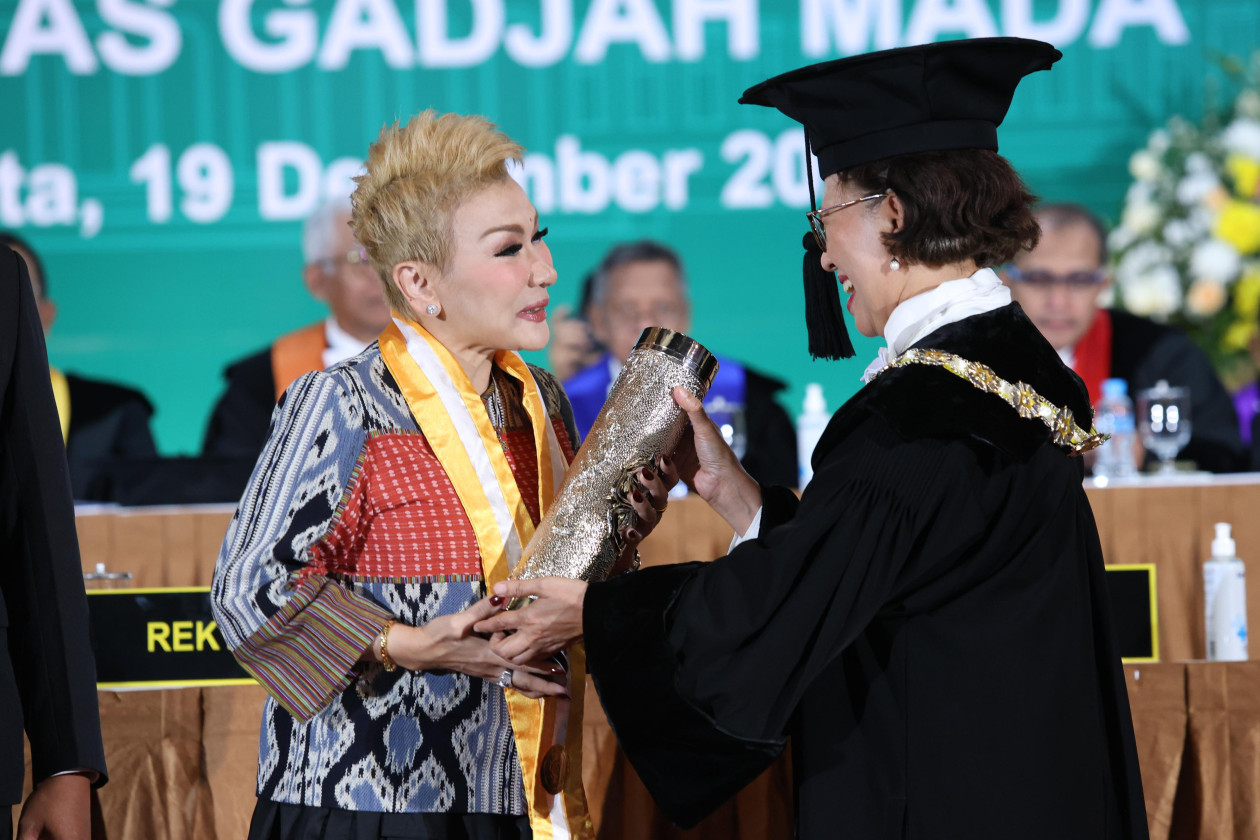
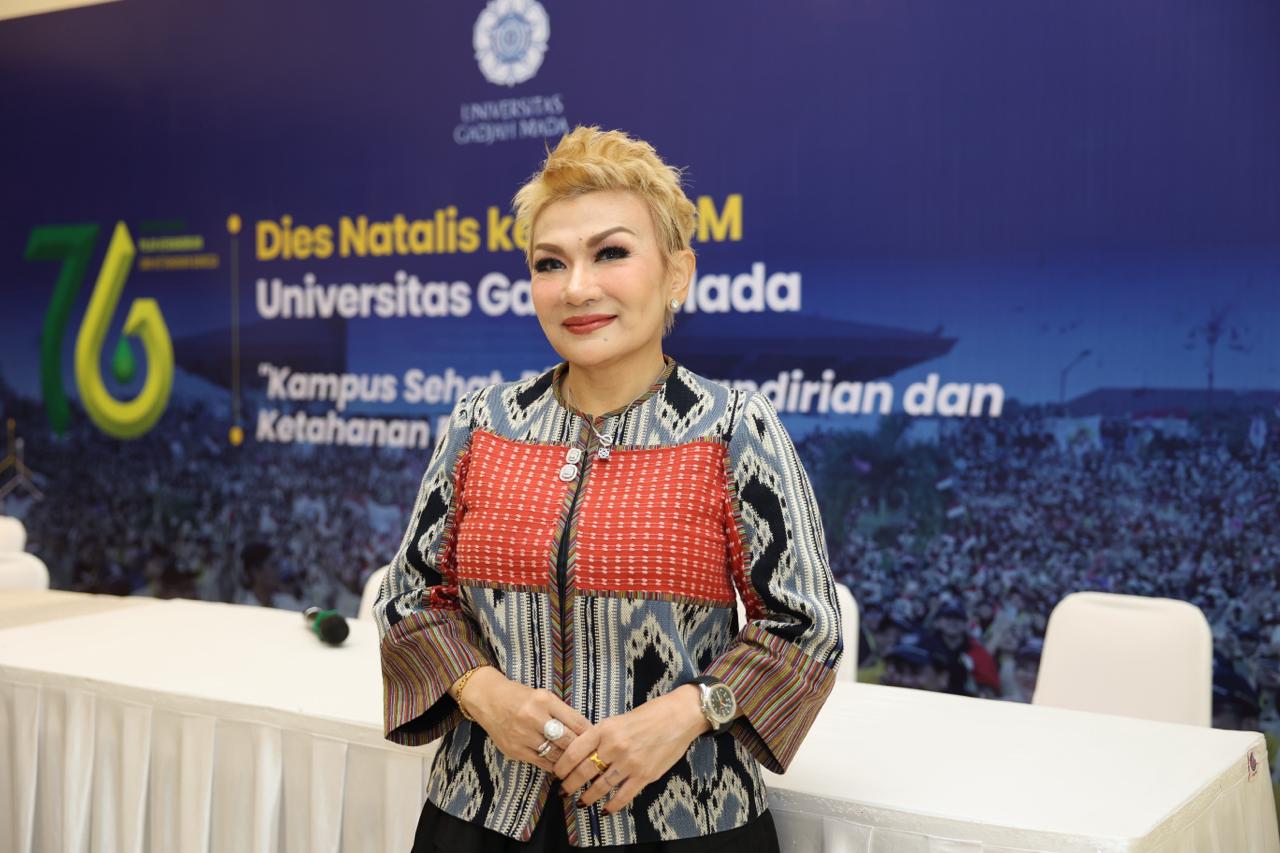
Speaking to reporters, Eka Sari Lorena expressed her happiness and pride in being able to contribute to strengthening entrepreneurship within UGM, not merely at the conceptual level but also through concrete practices implemented via the UGM Preneur program.
She viewed the involvement of higher education institutions in strengthening the entrepreneurial mindset as a strategic step in preparing the younger generation to be resilient and capable of creating tangible impacts on society.
“UGM has an extraordinary vision, not only speaking about the tridharma of higher education, but also implementing it through innovation and collaboration,” she said on Tuesday (Dec. 23).
She explained that collaboration between UGM’s Faculty of Agricultural Technology and Bawa Indonesia Global (BIG) led to the launch of the UGM Preneur program, which began in 2022 following the COVID-19 pandemic.
The program was initiated as a form of campus–industry collaboration to address food security challenges as a foundation for sustainability. The global crisis, she said, raised awareness of societal vulnerability amid instability in the food sector.
She recalled that the program initially involved three faculties and has now expanded to include more than 15 faculties across UGM.
She regarded her collaboration with the Faculty of Agricultural Technology as a strategic step toward promoting national self-reliance by strengthening the food sector through entrepreneurial innovation.
“I learned from COVID. During COVID, I saw that we may have everything, but if our food supply is inadequate, life becomes extremely difficult,” she explained.
Addressing the challenges of entrepreneurship amid rapid technological developments, particularly artificial intelligence (AI), she emphasized the importance of maintaining a mindset that is not easily dominated by AI.
According to her, AI should be used as a supporting tool to enhance entrepreneurial capacity, not as a complete substitute for human roles.
She stressed the need to highlight core entrepreneurial strengths that AI lacks, such as empathy, relationship-building, and an understanding of social contexts.
Therefore, she encouraged entrepreneurs to continuously develop their personal capacity and expand their knowledge, enabling them to use AI wisely amid accelerating technological change.
“We must know how to use AI so that we do not become subordinate to it; instead, we must be the ones in control. AI lacks a humanistic sense; that is our advantage. We need to understand our strengths and limitations so we can balance them with today’s massive technological growth,” she said.
Furthermore, she explained that the UGM Preneur program is designed to equip students with an independent mindset and the ability to create job opportunities.
Digital technology and automation have shifted labor demands, making it essential for university graduates to be encouraged not only to seek employment but also to become entrepreneurs.
“This requires a mindset that views independence as the ability to create individual self-reliance that ultimately contributes to national self-reliance,” she explained.
According to her, UGM possesses numerous research innovations that are rarely utilized by the wider community.
She noted that UGM has long been innovating and fostering societal self-reliance, and that, through this collaboration, the entrepreneurial spirit among students is expected to grow and create meaningful impacts on national economic independence.
In addition, collaboration and network building are key to preparing students to face a competitive, challenging external environment. Therefore, she emphasized the importance of equipping students with resilience to survive, succeed, and make an impact.
She expressed hope that the UGM Preneur program will produce capable entrepreneurs supported by student capacity, research quality, data availability, and UGM’s academic ecosystem.
“Through collaboration in the UGM Preneur program, students can learn to apply an entrepreneurial mindset that creates real impact, generates employment, and does things differently to improve the quality of society,” she explained.
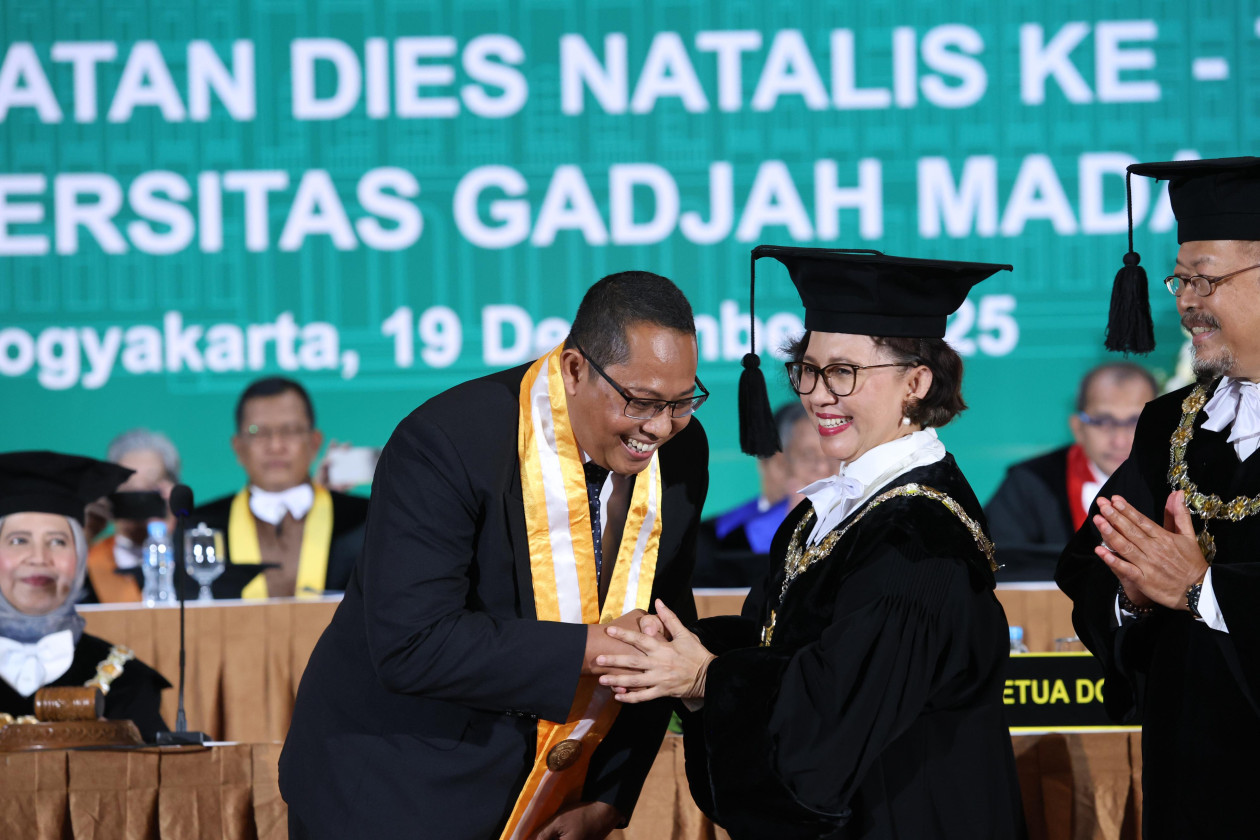
Recipient of the UGM Award in halal product research and development, Professor Abdul Rohman, emphasized that halal issues extend beyond religious concerns and constitute a strategic national agenda for public health, consumer protection, and the development of industrial self-reliance in Indonesia.
As the country with the world’s largest Muslim population, Professor Rohman noted that products circulating in Indonesia must be halal-certified.
He explained that this aligns with Law No. 33 of 2014 on Halal Product Assurance, which mandates halal certification for all food, beverage, pharmaceutical, and cosmetic products distributed in Indonesia.
Therefore, UGM holds a strategic position not only as an academic institution but also as a science-based halal knowledge hub.
“As a science-oriented university with its own Halal Inspection Body and a Center of Excellence in halal studies, UGM is committed to developing halal research that goes beyond publication and can be downstreamed and directly utilized by society and industry,” Professor Rohman concluded.
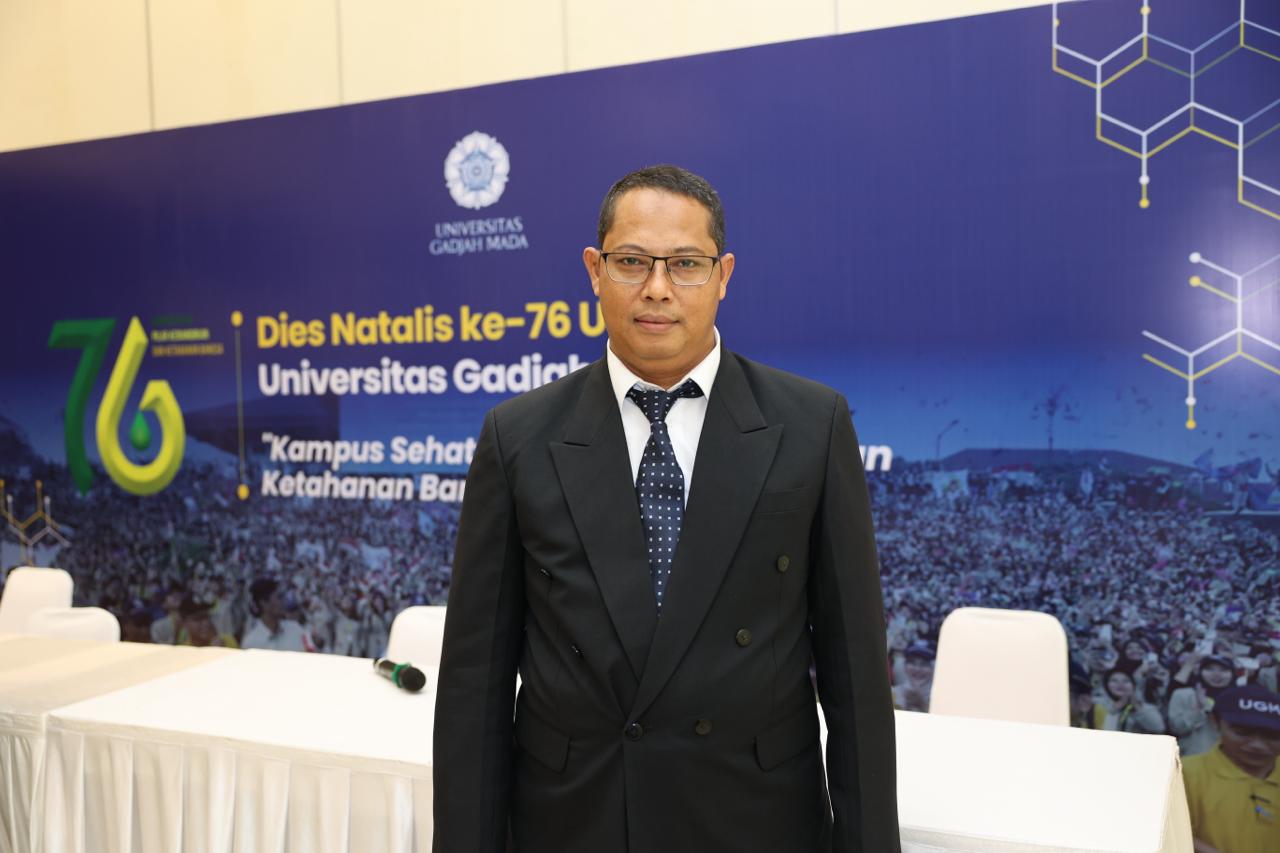
Professor Abdul Rohman’s research focuses on halal analysis and the authentication of food and pharmaceutical products. His work has been published in 134 Scopus-indexed journal articles, with a Scopus h-index of 21.
In the SINTA (Science and Technology Index) system, Professor Abdul Rohman is ranked sixth nationally. He currently serves as an Associate Editor of the Indonesian Journal of Pharmacy (a Scopus-indexed journal) and as a reviewer for several Thomson and Scopus-indexed journals.
Among the awards he has received are the Young Scientist Scopus Award 2014 and the Outstanding Intellectual Property Award in International Publications from the Ministry of Research, Technology, and Higher Education in 2014. For two consecutive years, he has been listed among the world’s top 2 percent of most influential scientists.
Author: Cyntia
Editor: Gusti Grehenson
Post-editor: Salma
Photographer: Firsto Adi