


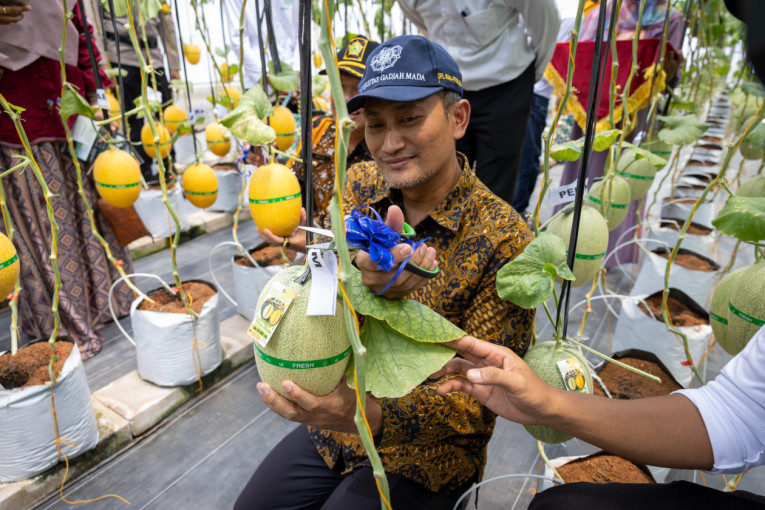
The grand harvest of greenhouse-grown melons using the Farmer-Scale Appropriate Smart-Agri Facility (FASTAN) technology on Friday (Jan. 30) marked a strengthening of collaboration between Universitas Gadjah Mada (UGM) and the Kulon Progo Regency Government to advance farmer-scale smart agriculture.
The event took place at UGM’s Field Research Center (FRC) in Wates and continued with a melon harvest at the FASTAN greenhouse in Bugel. The program is designed to address agricultural productivity challenges amid increasing climate variability.
In his remarks, UGM Vice Rector for Planning, Assets, and Information Systems, Dr. Arief Setiawan Budi Nugroho, emphasized the importance of downstreaming research to ensure campus innovations have a direct impact on society.
According to him, the use of digital technology and the Internet of Things (IoT) within FASTAN serves as a concrete example of implementing the smart university concept.
He noted that agricultural research should not stop in laboratories but must reach farmers’ fields. Through FASTAN, UGM encourages a shift toward more precise and adaptive farming practices.
“This program proves that university research does not stop in classrooms or laboratories, but can be directly applied in the field and deliver tangible benefits for farmers,” he said.
Chair of the FASTAN Research Team, Dr. Yosephus Ardean Kurnianto Prayitno, explained that FASTAN was developed as a collaborative research initiative involving universities, local governments, industry, and farming communities.
The smart greenhouse system integrates nutrient automation and data-based environmental monitoring. Field trials have shown more consistent melon production quality than conventional methods, with one indicator being consistent fruit sweetness at around 13.5 Brix.
“We designed FASTAN as an integrated system so that knowledge, technology, and data-driven cultivation practices can be transferred directly and easily adopted by farmers,” Dr. Prayitno said.
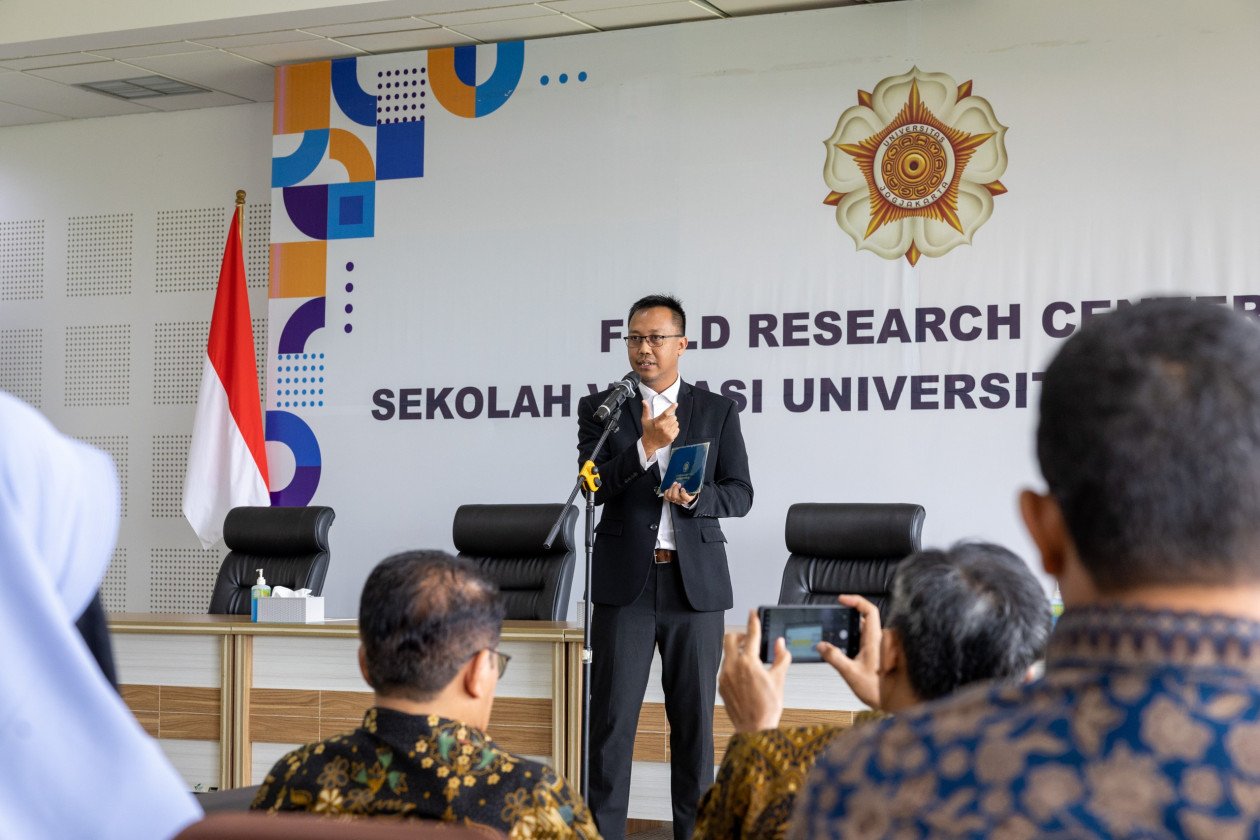
Kulon Progo Regent, Dr. R. Agung Setyawan, expressed his hope that FASTAN could serve as a model for innovation-based agricultural development in the region. He viewed applied research such as FASTAN as essential to improving community welfare.
According to him, Kulon Progo has significant agricultural potential that requires strengthening through technological support. The program is expected to support the growth of a sustainable agricultural ecosystem.
“Innovations from universities must truly be present within communities, respond to real needs, and provide concrete benefits in improving farmers’ welfare,” Dr. Setyawan said.
The implementation of the grand harvest at the FASTAN Bugel greenhouse demonstrated the application of smart agricultural technology at the farmer level. The greenhouse is managed by an assisted farmer group that has received technical guidance from the FASTAN team.
The cultivation system enables precise control of temperature, humidity, and plant nutrition. With this approach, production can be maintained more consistently throughout the year. The harvest activity also served as a direct learning platform for farmers and stakeholders.
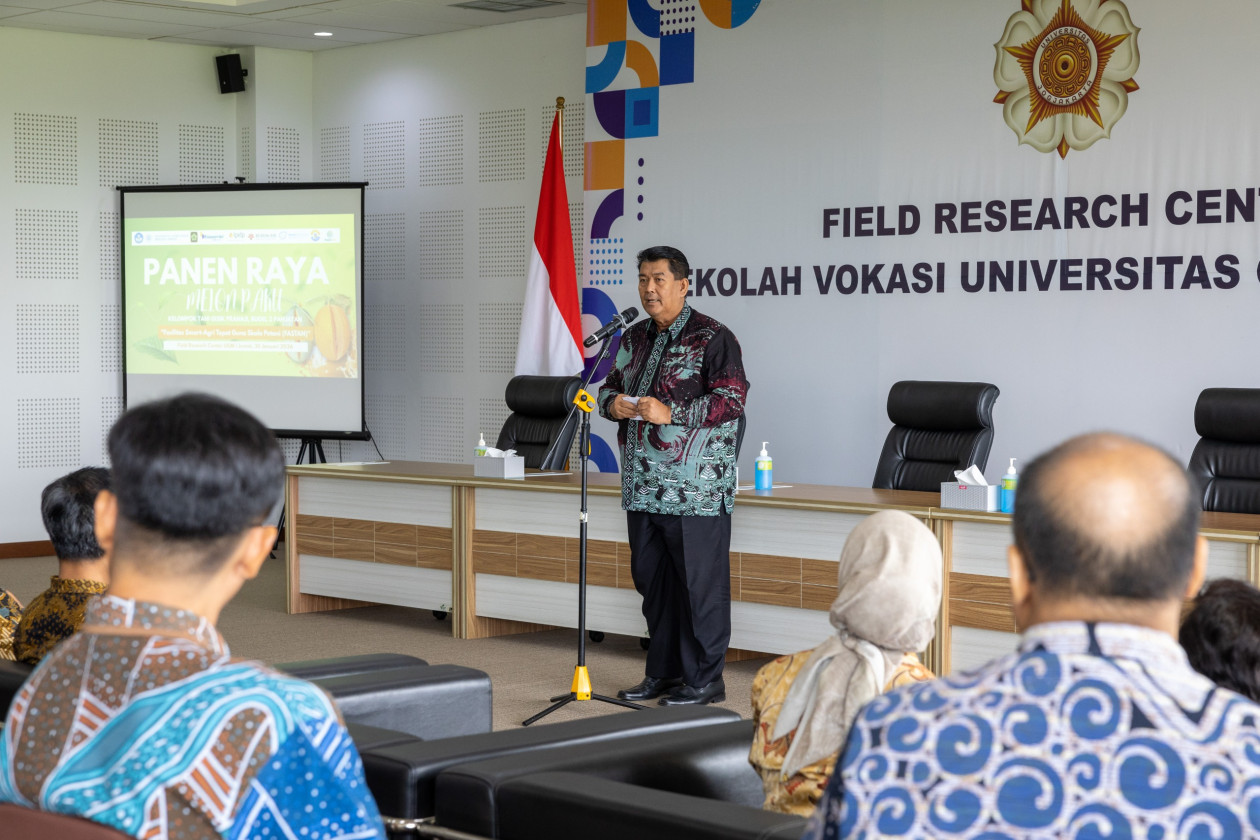
Dean of UGM Vocational College (SV UGM), Professor Agus Maryono, described FASTAN as an example of impactful research oriented toward community empowerment. He explained that assistance does not stop at facility development; it continues by strengthening farmers’ capacity.
SV UGM acts as a partner that continuously monitors progress and challenges in the field. This approach is intended to ensure that the program can operate independently in the long term.
“Research must grow alongside the community, address real needs in the field, and be continuously supported until the community can run it independently,” he said.
Professor Maryono further added that FASTAN is being developed as a smart agriculture training center. The replication model is implemented by selecting community groups that already possess initial readiness or an existing business embryo.
This approach ensures that development does not start from zero and increases the likelihood of success. Beyond production, FASTAN also opens opportunities for added value through education and agriculture-based tourism.
This concept is expected to expand economic benefits for farmers and surrounding communities.
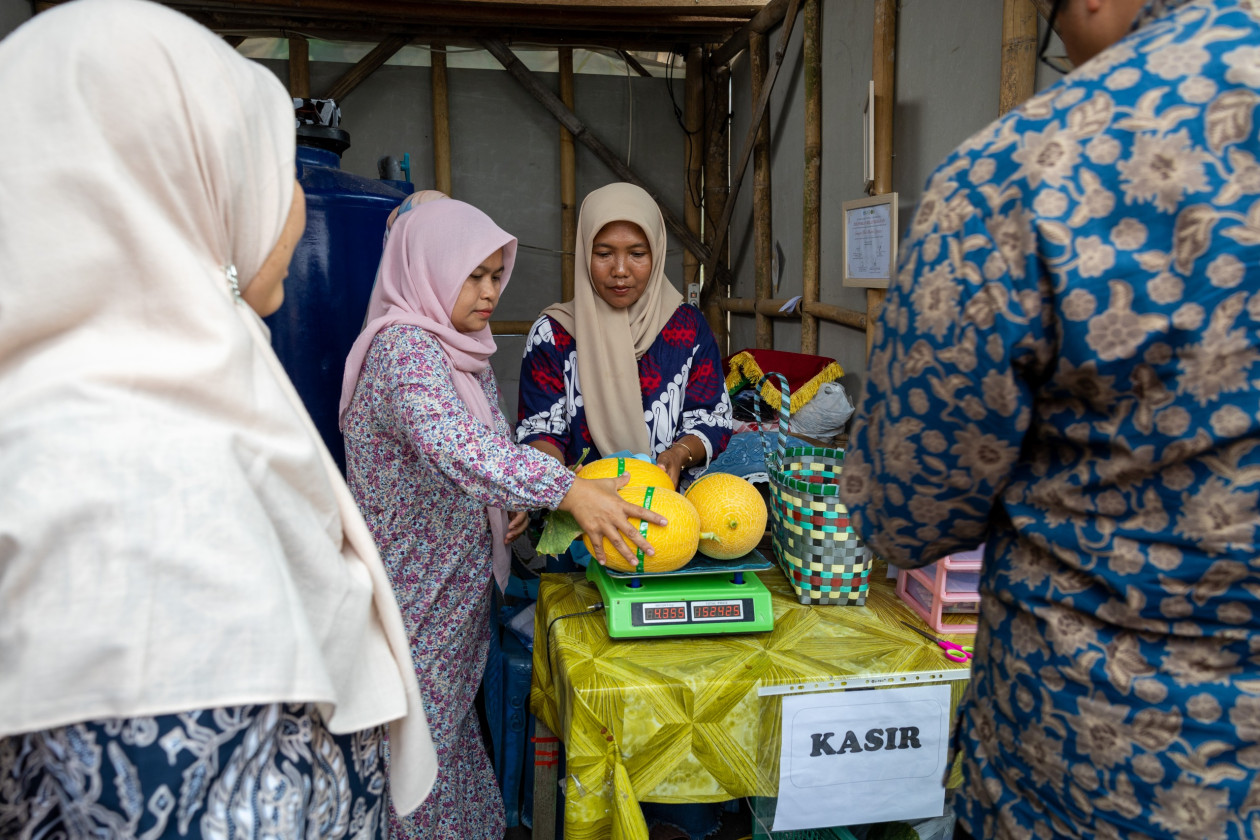
From a regional policy perspective, Muh Aris Nugroho, Head of the Kulon Progo Regional Development Planning, Research, and Innovation Agency (Bapperida), stated that FASTAN has been designated a priority program for smart agriculture development.
The regional government is targeting the development of up to 70 similar greenhouse units across Kulon Progo. The expansion will focus on strategic areas and high-value commodities. In addition to melons, several other commodities are projected to develop.
“FASTAN is part of our efforts to build modern agriculture that is competitive, technologically adaptive, and capable of increasing farmers’ income,” Nugroho said.
He explained that FASTAN funding is carried out through a collaborative scheme involving the regional budget, university support, and potential financing from corporate social responsibility (CSR) funds and other sources. This synergy is considered crucial to ensure program sustainability and broader farmer outreach.
The regional government also encourages FASTAN to function as a training and replication center. With consistent policy support, FASTAN is expected to become a driving force for agricultural transformation in Kulon Progo, reaffirming the regency government’s commitment to strengthening innovation-based agriculture.
Author: Triya Andriyani
Post-editor: Zabrina Kumara Putri
Photographer: Donnie Trisfian