


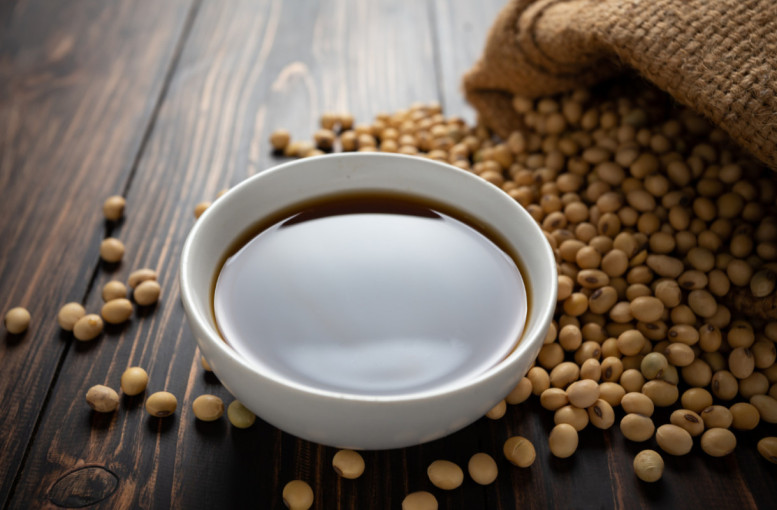
The Minister of Health, Budi Gunadi Sadikin, revealed in an Instagram post that he was surprised by the high sodium content in soy sauce, approximately 350-500 milligrams of sodium per tablespoon. Consuming just four tablespoons exceeds the World Health Organization’s recommended daily sodium intake limit of 2,000 mg per day. Indonesians should pay closer attention to their soy sauce consumption, particularly in sweet dishes such as gudeg and bacem, as excessive intake can gradually increase blood pressure.
A nutritionist from the Faculty of Medicine, Public Health, and Nursing at Universitas Gadjah Mada (FK-KMK UGM), Dr. Toto Sudargo, expressed appreciation for the educational message regarding the high sodium content in soy sauce, a fact that many do not realize. The initiative reflects the Minister’s concern for public health in Indonesia. Although the message received some criticism, many people responded positively.
“I truly respect that. His statements often elicit a range of responses, both positive and negative. However, they all stem from a minister’s concern and care for the people,” he said on Thursday (Jun. 25).
Toto explained that soy sauce contains high levels of sodium due to the stages involved in its production process. Soy sauce is made from soybeans and transformed into a flavor-enhancing condiment through cooking and fermentation. The fermentation itself requires the addition of salt.
“Soy sauce is produced through several stages, from raw ingredients to becoming a food seasoning. The process involves cooking, fermentation, and other steps. Salt is also added as a preservative,” he explained.
According to Toto, eating soto with soy sauce is generally safe. However, the dish should not consist solely of broth and meat, whether beef or chicken. It should also include vegetables such as tomatoes, cabbage, and celery leaves. These help create a more balanced meal.
“Many young people today order soto containing only meat and broth, then add a large amount of soy sauce. This makes the meal’s nutritional composition less balanced. The addition of cabbage and celery is intended to help balance the nutrients in the dish,” he said.
The presence of fruits and vegetables in one’s diet can also help reduce the negative effects of excessive sodium intake.
“Vegetables and fruits are particularly important because they help counteract substances that may be harmful to the body,” he added.
In addition, Toto emphasized that sodium remains an essential nutrient to maintain electrolyte balance. When electrolyte levels become imbalanced, the body cannot function properly. The human body requires both macronutrients, such as carbohydrates and proteins, and micronutrients, including vitamins and minerals.
Given that soy sauce has become a staple in Indonesian cuisine and is often incorporated directly into dishes, Toto encouraged the public to continue consuming it in moderation. He suggested one tablespoon per meal is an appropriate amount.
“Based on my recommendation, the safest limit is no more than one tablespoon. Soy sauce is only an additional seasoning. Sometimes people consume it one day and not the next, so it does not need to be added to every meal,” he said.
Nevertheless, Toto stressed that consuming foods high in sodium does not immediately cause disease. Rather, the health effects develop gradually and may only become apparent years later.
“A long-term habit of consuming high-sodium foods can contribute to high blood pressure,” he added.
Toto advised culinary enthusiasts and consumers of soy sauce-based dishes to avoid excessive consumption.
“Is soy sauce dangerous? It can be if consumed in large amounts. However, if we consume it wisely, it should not be a problem. There is no need to be afraid of eating soy sauce. As long as our meals are balanced, for example by including vegetables and avoiding excess consumption, it is safe and can remain part of a healthy diet,” he concluded.
Author: M. Aidil Syahputra
Editor: Gusti Grehenson
Post-editor: Jasmine Ferdian
Photo: Magnific