


The domestic cosmetics industry continues to grow, marked by increasing consumer demand. According to topbusiness.id, the national cosmetics market expanded by approximately 73 percent annually through 2025. Meanwhile, Indonesia’s beauty industry is estimated to reach Rp146 trillion in 2024.
Various categories of cosmetic products, including skincare, personal care, makeup (lipstick, powder, foundation, BB/CC cream), perfume, and eye and lip care products, hold significant potential for continued production and development. For illustration, transactions in the facial cosmetics category reached Rp129.1 billion at the beginning of 2022.
This rapid growth in cosmetic demand has naturally benefited micro, small, and medium enterprises (MSMEs) operating in the sector. Recent data show that by 2024, Indonesia will have recorded more than 1,500 cosmetic industrial and MSME units.
Data from the National Agency for Drug and Food Control (BPOM) also indicate that 1,057 MSMEs have been registered in the cosmetics sector. Despite high market growth, as of 2025, no definitive figure is available for the total number of cosmetic users across the population.
Lecturer at the Department of Dermatology and Venereology, Faculty of Medicine, Public Health, and Nursing, Universitas Gadjah Mada (FK-KMK UGM), Dr. Flandiana Yogianti, stated that the potential number of cosmetic users is substantial and may provide alternative business opportunities in the future.
However, Dr. Yogianti warned of the dangers posed by counterfeit cosmetic products. Clinical Case Data and reports on Adverse Effects of Cosmetics indicate that around 20–30 percent of cosmetic users in Indonesia experience irritation or allergic reactions from unsafe products. Meanwhile, nearly 40 percent of dermatological cases in Yogyakarta are linked to cosmetic products.
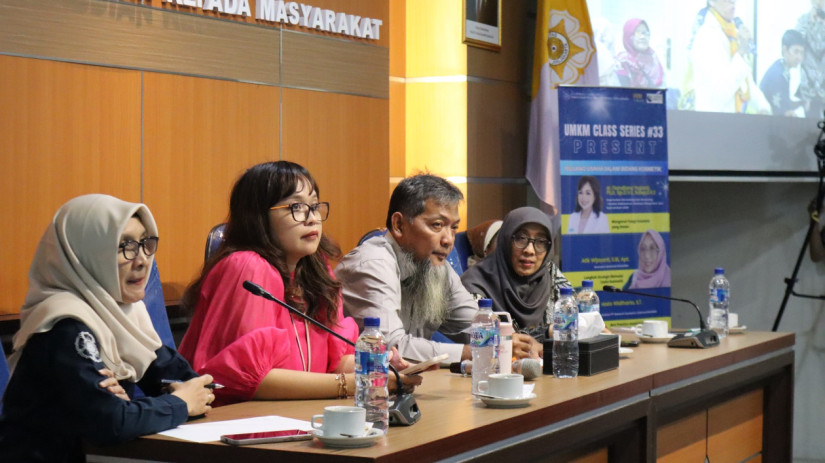
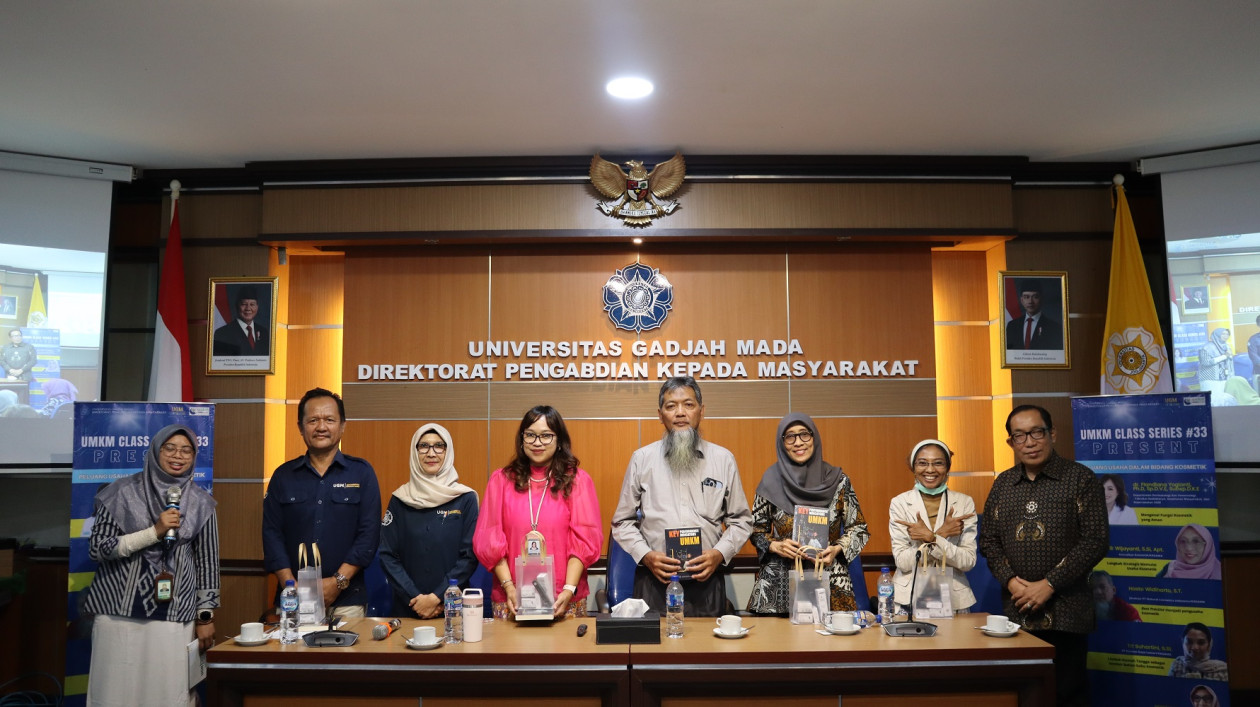
“Ochronosis and mercury/hydroquinone toxicity continue to appear in case reports in Indonesia, and in 2025, BPOM recalled more than 100 cosmetic products due to hazardous ingredients such as mercury, hydroquinone, and retinoic acid,” she said during the UMKM CLASS SERIES #33 themed Business Opportunities in the Cosmetics Sector, held at the Meeting Room of the UGM Directorate of Community Service on Wednesday (Nov. 12).
To ensure consumer safety, Dr. Yogianti emphasized the importance of BPOM regulations and the cosmetic notification system. She expressed hope that all cosmetic products circulating in Indonesia should have a BPOM Notification.
“This must be complied with, meaning there must be an official BPOM permit, evidence that the cosmetic has been evaluated for safety, quality, and efficacy, and that the permit is valid for three years and must be renewed,” she explained.
Atik Wijayanti, a cosmetics consultant and KAGAMA member, explained that in response to the growing opportunities, aspiring entrepreneurs must understand how to start a business in the cosmetics sector, including the necessary preparations.
This process begins with market research and segment identification, including analyses of consumer needs, market trends (such as halal, natural, and sustainable products), and competitor mapping.
Discussing strategic steps in starting a cosmetics business, Wijayanti highlighted the importance of Good Manufacturing Practices for Cosmetics (Cara Pembuatan Kosmetik yang Baik/CPKB).
These practices ensure that products are high-quality, safe, and provide appropriate benefits. Products manufactured in accordance with proper CPKB standards protect the public from the health risks associated with cosmetics produced without adequate quality control.
“The added value and competitiveness of Indonesian cosmetics in local, regional, and global markets increase as consumer confidence grows in products that comply with CPKB standards,” she said.
Hasto Widiharto, Director of PT Natural Cosmetics Indonesia and KAGAMA member, stressed the importance of strengthening claims of natural ingredients, efficacy, and sustainable sourcing by incorporating local wisdom and fostering pride in Indonesian-made cosmetics.
Several local ingredients already in use include microalgae (Chlorella and Spirulina), which are rich in antioxidants and suitable for anti-aging, collagen stimulation, and skin detoxification.
“Curcumin, or turmeric, has anti-inflammatory and antibacterial properties, making it suitable for anti-acne products, sensitive skin, and natural brightening. Moringa leaves, which are high in vitamin C and anti-pollution properties, are ideal for serums and as active additions to sunscreen,” Widiharto explained.
Meanwhile, Tri Suhartini from PT Ecovivo Daya Lestari stated that, beyond understanding production stages and regulations, aspiring entrepreneurs must also study best practices in the cosmetics industry, including methods proven successful by established manufacturers.
According to Suhartini, another innovative aspect gaining attention is the utilization of household waste as a raw material source for cosmetic products.
“This approach not only supports the circular economy but also creates added value from organic waste such as fruit peels, coffee grounds, and leftover vegetable oils,” she said.
Author: Agung Nugroho
Post-editor: Rajendra Arya
Photographs: UGM Directorate of Community Service