


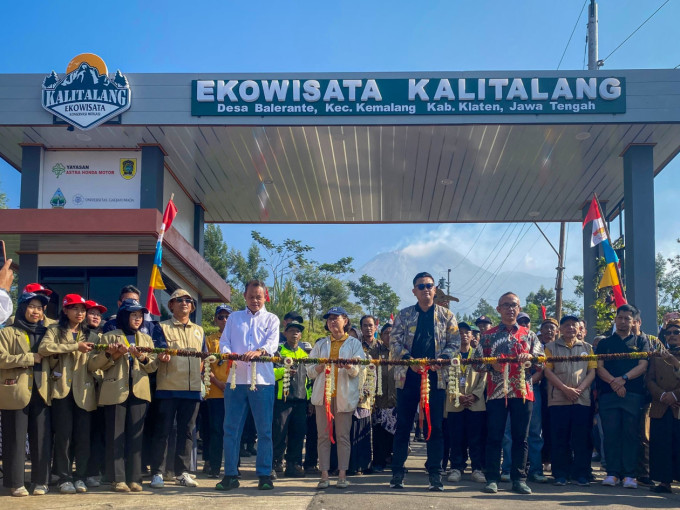
Universitas Gadjah Mada (UGM) and the Astra Honda Motor Foundation inaugurated the Kalitalang Ecotourism Gateway in Balerante Village, Kemalang District, Klaten Regency, on Sunday (August 2). The event was followed by a monitoring and evaluation session for the UGM Community Service Program (KKN-PPM), which ran for 50 days in Balerante, Sidorejo, and Bumiharjo villages. On the occasion, UGM also donated 30 clean water tanks to help meet the surrounding communities’ water needs.
UGM Rector Professor Ova Emilia, M.Med.Ed., Sp.OG(K), Ph.D., said that village development requires collaboration among multiple stakeholders to deliver sustainable benefits for local communities. According to her, collaboration among universities, businesses, government institutions, and residents creates opportunities for innovations that address rural communities’ needs.
“Young people always bring creative and contemporary ideas. We hope the initiatives developed here will provide long-term benefits for the welfare of the people of Balerante Village,” she said.
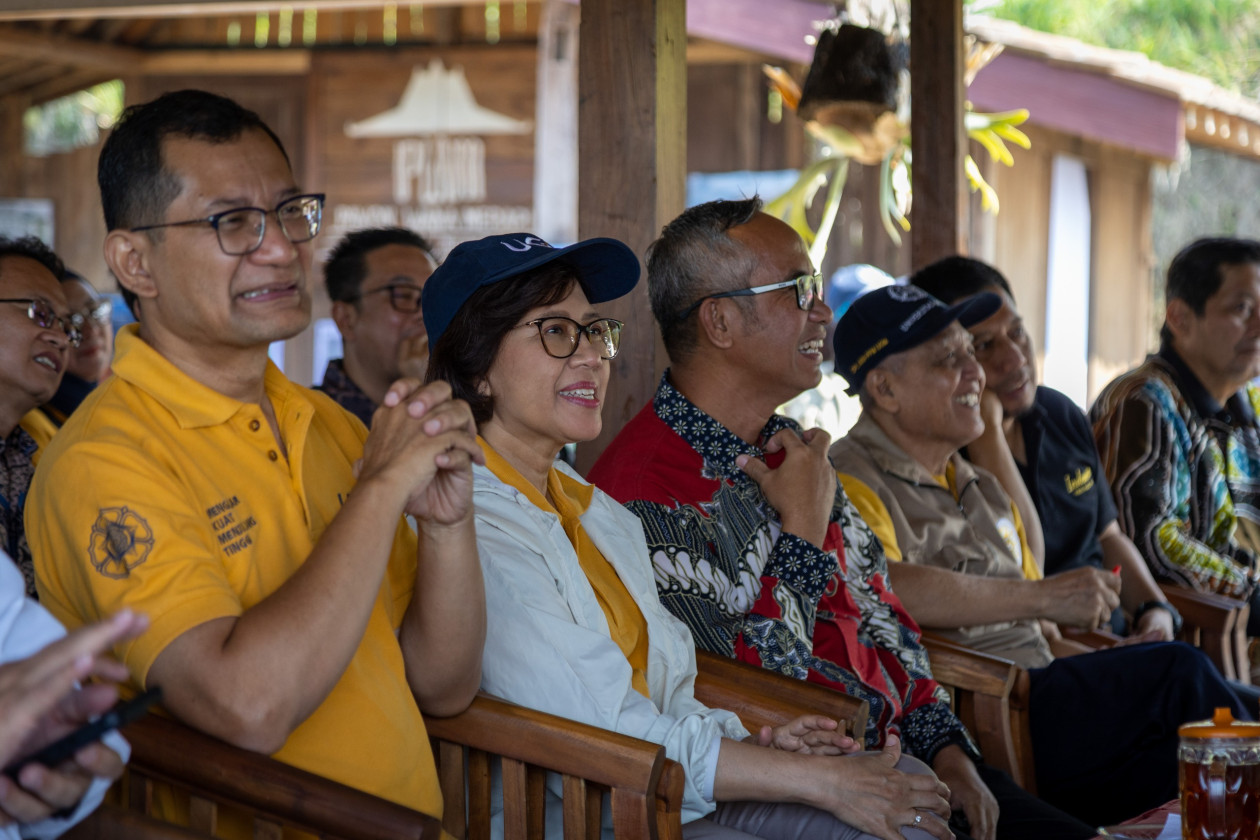
Professor Ova explained that students’ involvement through the KKN program plays an important role in delivering solutions for local communities while supporting tourism development based on local potential. She expressed hope that the programs initiated during the community service period would continue to be developed by the community and its partners.
“May the Kalitalang Ecotourism Gateway bring blessings and mark the beginning of this area’s future development,” she said.
Chair of the Astra Honda Motor Foundation Ahmad Muhibbuddin said the construction of the Kalitalang Ecotourism Gateway reflects the foundation’s commitment to supporting tourism development while empowering communities living on the slopes of Mount Merapi. The program began with discussions among residents, UGM, and other partners, who recognized the area’s strong potential as a tourism destination.
“Today marks the beginning of our shared commitment to supporting the ecotourism potential of this region,” he said.
Muhibbuddin explained that the partnership with UGM will continue through the Astra Prosperous Village Program and the One Heart Thematic KKN Program to ensure that communities receive continuous assistance. According to him, all stakeholders must work together to achieve successful tourism development.
“We are committed to assisting the community so that Balerante Village becomes an advanced, prosperous, and sustainable village,” he said.
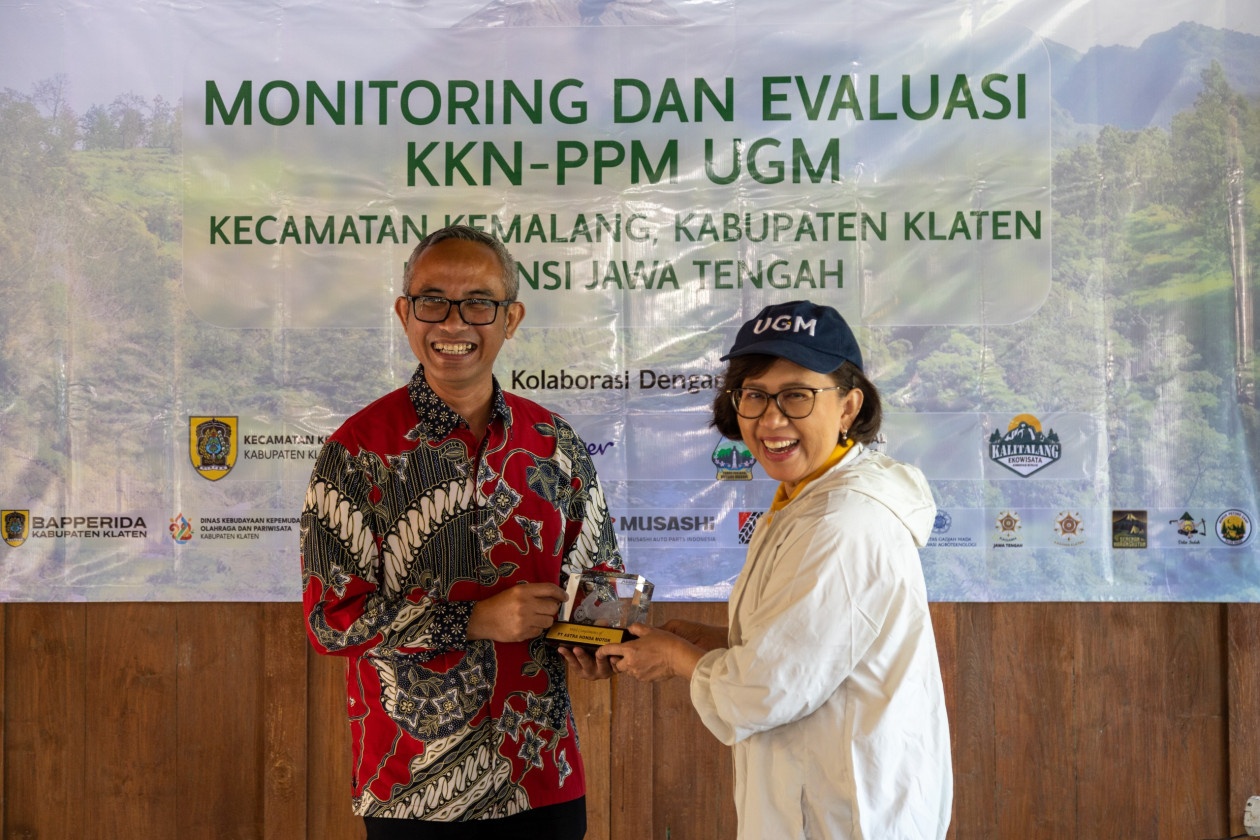
During the monitoring and evaluation session, UGM KKN-PPM field supervisor Drs. Iqmal Tahir, M.Si., reported that the students implemented 155 work programs over 50 days, focusing on environmental safety, community empowerment, village governance, and tourism development. The students designed these programs based on needs they identified in the three villages where they implemented the KKN program.
“The students truly dedicated their time and ideas to serving the community, making each program a flagship initiative,” he said.
In addition, the students introduced various innovations, including installing road reflectors and solar-powered streetlights, digitizing tourism and MSME promotion, developing a camping ground reservation system, providing hospitality and foreign language training, and conserving the endemic Vanda tricolor orchid. They also encouraged residents to develop products that visitors could purchase as souvenirs to support the local economy.
“We hope visitors will not only come to enjoy the scenery but also bring home locally made products,” Tahir said.
Chair of the Kalitalang Tourism Awareness Group (Pokdarwis), Jainu, said the students’ assistance had positively impacted the management of the tourism area. Visitor numbers have continued to increase, generating economic benefits for residents, although strengthening human resource capacity remains a priority.
“We want international tourists who visit here to enjoy more community-based services and local products so the economic benefits become even greater,” he said.
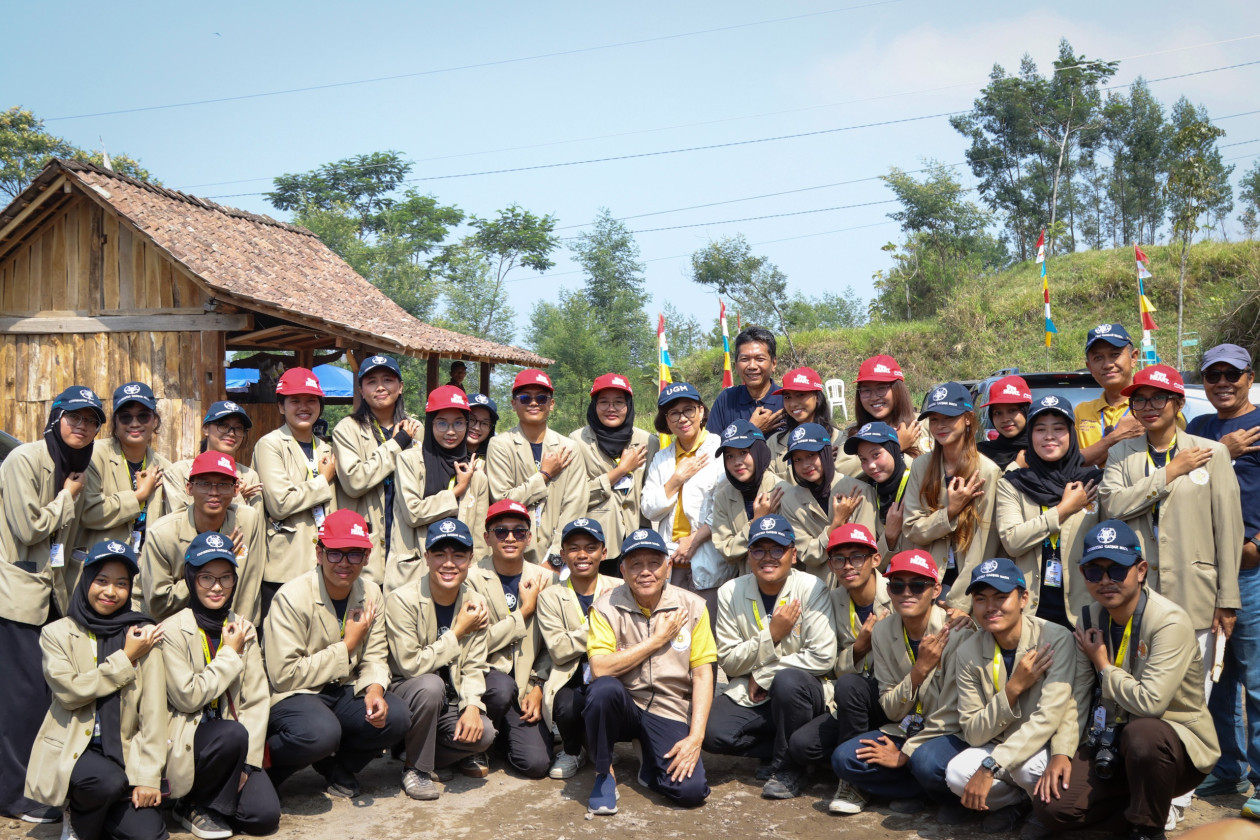
According to Jainu, improving foreign language skills, enhancing tourism services, and developing supporting facilities remain ongoing priorities to strengthen the destination further. He also expressed hope that the collaboration with UGM and its partners would continue.
“We still need continuous assistance to improve the management of this tourism destination,” he said.
Through the KKN program, students also helped local communities develop value-added products based on local resources. The students processed fresh milk into yogurt, transformed Balerante coffee into coffee soap, converted organic waste into liquid organic fertilizer, and processed bamboo litter into bamboo humus. The students also prepared a trekking map of the tourism area, developed digital promotional media, designed packaging for MSME products, and created educational materials for visitors.
These initiatives are expected to strengthen the community’s capacity to develop businesses based on the village’s local potential while increasing the economic value of local products.
Author: Triya Andriyani
Post-Editor: Zabrina Kumara
Photo: Donnie