


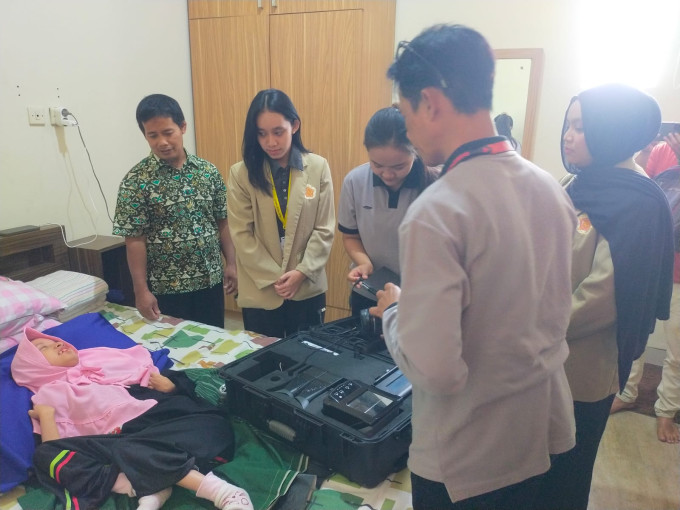
Students from Universitas Gadjah Mada’s Community Service Program (KKN-PPM) have partnered with the Population and Civil Registration Office (Dukcapil) of Kulon Progo Regency to help people with disabilities obtain electronic identity cards (e-ID) through home-visit registration services, ensuring they can access essential public services without having to travel.
The initiative targets residents with physical disabilities, limited mobility, or medical conditions that prevent them from visiting government service offices to complete biometric registration.
Edelweiss Simanjuntak, representing the 2026 KKN-PPM UGM YO019 Team, said the initiative began after students discovered that many families were unaware that Dukcapil already provides home-based registration services for vulnerable residents.
“We collaborate with Dukcapil to assist residents who cannot visit registration offices for fingerprint or iris scans. While Dukcapil provides the home-visit service, we help families throughout the registration process to ensure everything runs smoothly,” she said on Friday (July 24).
According to Simanjuntak, obtaining an electronic identity card is far more than completing an administrative requirement. The document serves as a gateway to healthcare, social protection, and many other public services.
“An electronic identity card is a legal document required to access hospital services, enroll in BPJS Health, and receive social assistance,” she explained.
Besides supporting home-based e-ID registration, the KKN-PPM UGM team has implemented several community empowerment programs in Wates, including livestock vaccination campaigns, biopore infiltration projects, and assistance for micro, small, and medium-sized enterprises (MSMEs) in improving electricity efficiency.
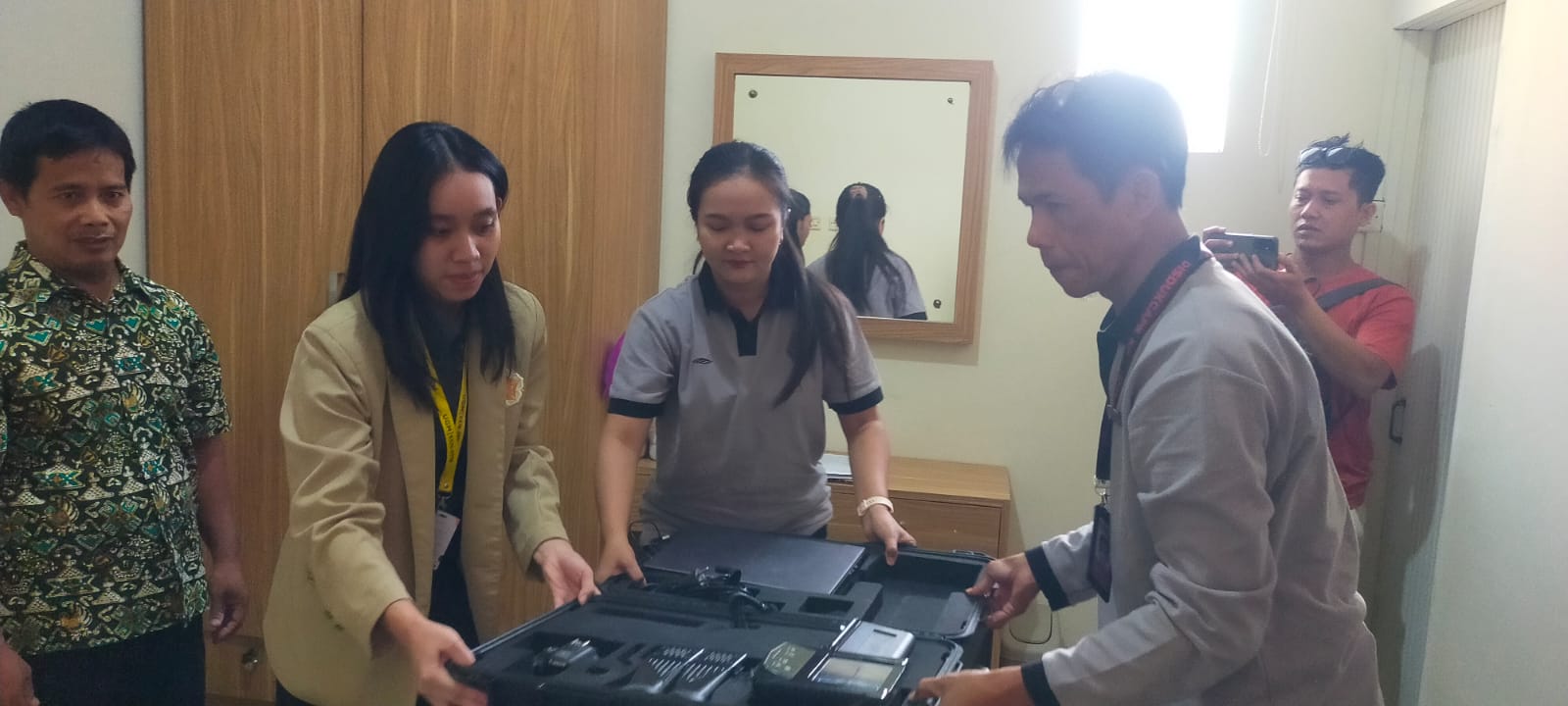
For Suharno, whose child has a disability, the home-visit registration service has removed a major obstacle.
He explained that traveling to a government office was nearly impossible because of his child’s physical condition and health risks. Even routine medical consultations are often conducted by family members without bringing the child to the hospital.
“Having the registration completed at home has been an enormous help for our family,” he said.
Suharno added that an electronic identity card is essential for protecting civil rights and accessing healthcare, social security, inheritance administration, and other public services.
Sukriyanta, an officer from Dukcapil Kulon Progo, explained that home visits are scheduled after families, village administrations, or local government offices submit requests.
During registration, officers prioritize iris scans and fingerprint recording. However, if an applicant’s medical condition prevents biometric data collection, officers follow alternative procedures, including photographing the applicant, supported by a medical certificate from a community health center or the local health office.
After field registration is completed, the data are verified by the central government before the electronic identity card is issued, typically within one week.
According to Sukriyanta, ensuring every citizen possesses an official identity document is particularly important for vulnerable groups because it enables access to healthcare, BPJS Health, and various government assistance programs.
“We hope no resident is denied access to essential public services simply because they do not yet have an official identity document,” he concluded.
Author: Fatihah Salwa Rasyid
Editor: Gusti Grehenson
Post-Editor: Jasmine Ferdian
Photo: Documentation of KKN-PPM Team