


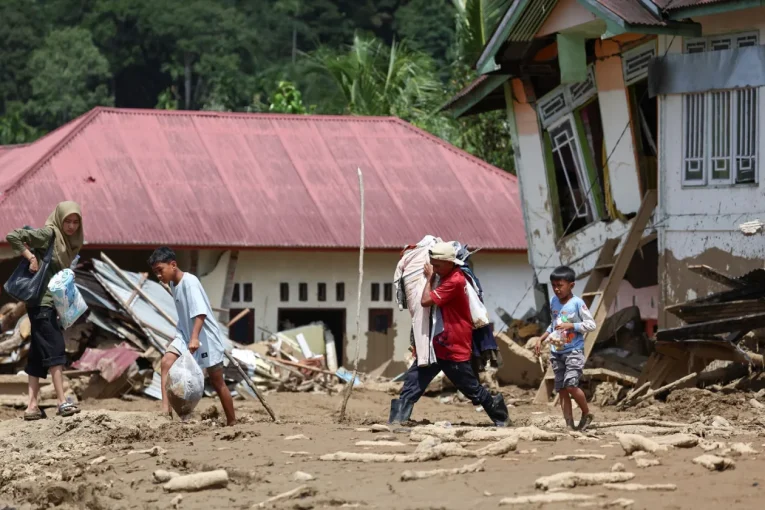
The resilience shown by communities in Aceh, North Sumatra, and West Sumatra as they strive to recover from recent disasters deserves serious attention from the government. Despite severe limitations, survivors have remained steadfast and refused to succumb to despair. Rather than dwelling in prolonged grief, drawing closer to God and strengthening mutual support have proven to be effective ways of navigating the recovery phase.
Dean of the Faculty of Psychology at Universitas Gadjah Mada (UGM), Dr. Rahmat Hidayat, observed that the long history of Acehnese society demonstrates a consistent ability to rise after disasters. Aceh, he noted, has previously endured the 2004 tsunami and periods of armed conflict.
“I believe that, historically and empirically, this shows the strong capacity of Acehnese communities to maintain high resilience when facing disasters,” he said on Friday (Dec. 12).
In addition, Dr. Hidayat explained that the strong religious values firmly upheld by the community can psychologically reinforce mental health.
“Without a solid foundation of faith to hold on to, there is concern that severe mental health problems could emerge in Aceh,” he elaborated.
Dr. Hidayat further outlined two key areas that need strengthening for communities affected by landslides and flash floods in Sumatra: psychosocial support and mental health.
The psychosocial aspect relates to individuals’ social functions. In such situations, psychosocial interventions should focus on restoring these functions and roles as quickly as possible.
For children, he added, the government and volunteers need to establish temporary facilities in evacuation centers to help restore the joy taken away by the disaster.
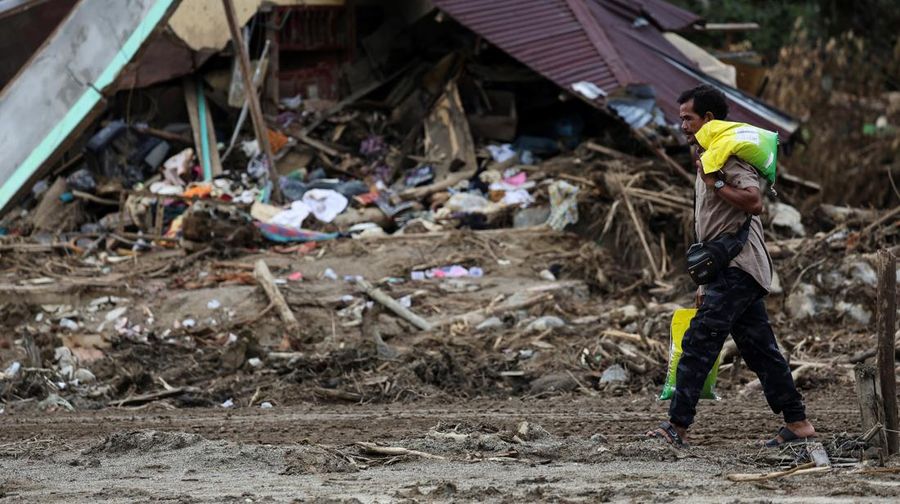
Meanwhile, in terms of mental health, which is closely related to cognitive functioning, assistance should take the form of Psychological First Aid (PFA), providing support to help release tension so that individuals do not feel alone.
“The essence of Psychological First Aid lies in empathetic personal communication from external parties, in this case, volunteers, to disaster-affected communities,” he explained.
Addressing the economic hardships survivors face due to the disaster’s impact, Dr. Hidayat suggested that the government could foster motivation, a sense of agency, and self-confidence by implementing programs that offer economic compensation to accelerate recovery. Such initiatives could include involving residents in post-disaster environmental clean-up efforts.
“This approach is important for both the government and aid organizations to consider. Assistance must truly help, but it should not create dependency,” Dr. Hidayat emphasized.
He expressed optimism that disaster-affected communities in Sumatra can recover and rebound more quickly through solidarity and collective participation, with support from the government and civil society groups.
“Strong community participation in the disaster recovery process will generate additional strength to rise again,” he concluded.
Author: Alena Damaris
Editor: Gusti Grehenson
Post-editor: Salma
Photographs: Reuters