SDG 6: Clean Water and Sanitation
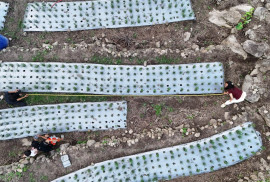
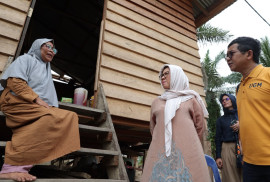
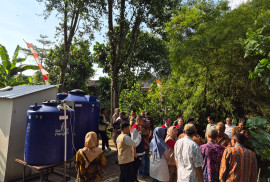
UGM builds 11 wells in Purworejo to help farmers maintain harvests and address dry-season water shortages.

UGM expert Tri Wibawa urges stronger rat surveillance and healthcare preparedness to prevent and respond to potential plague cases.
UGM experts warn of anthrax risks linked to brandu and call for stronger livestock monitoring, vaccination, and public education.
UGM hydrology expert Professor Agus Maryono calls for community-led river restoration and preventive water management to address drought.
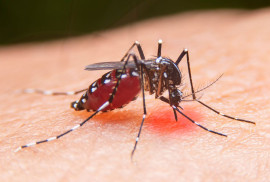
UGM researchers developed ExplainDengue, an AI platform that combines health and climate data to help predict the risk of dengue outbreaks.
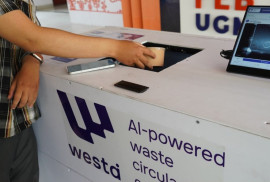
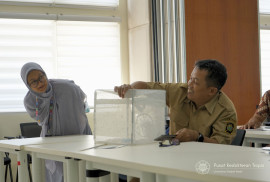
UGM develops an AI-powered Smart Waste Bin to automate waste sorting and support data-driven waste management and the circular economy.
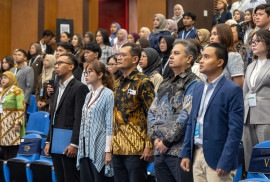
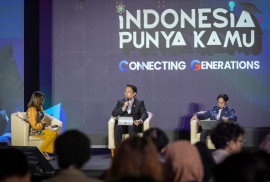
UGM brings ASEAN youth together to turn sustainable development ideas into collaborative action for communities across the region.
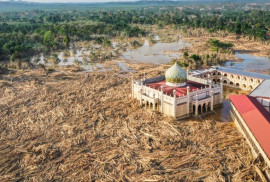
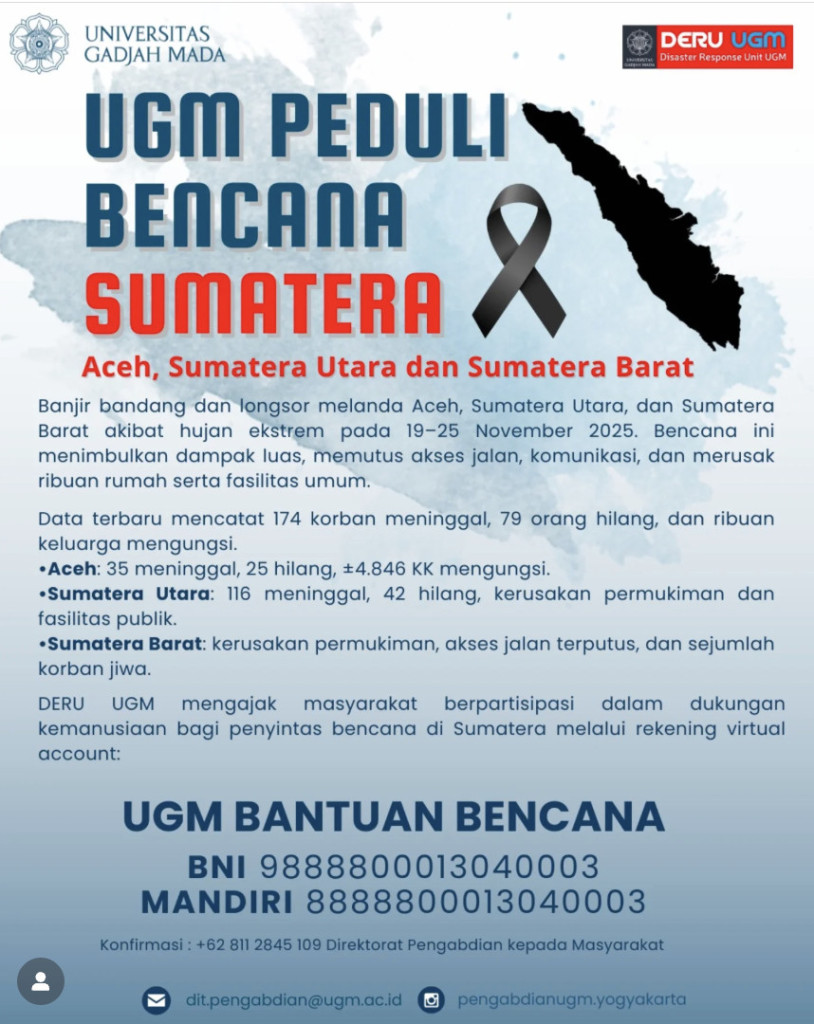
UGM expert Hatma Suryatmojo highlights incomplete ecological recovery and urges safer spatial planning after recurring floods in Sumatra.
Di beberapa wilayah di Indonesia masih terdapat ketimpangan lingkungan yang nyata. Sebagian kelompok orang dapat menikmati air bersih dan udara sehat. Namun, sebaliknya di lingkungan lainnya...
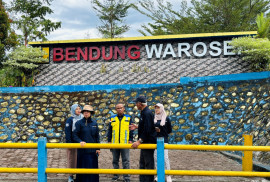
Universitas Gadjah Mada (UGM) bersama Balai Wilayah Sungai (BWS) Papua Barat mengembangkan sistem digital untuk memantau Daerah Irigasi Oransbari di Kabupaten Manokwari Selatan sebagai upaya...
Sebanyak 27 mahasiswa lintas jurusan yang terbagi ke dalam klaster Agro, Medika, Saintek, dan Soshum, tergabung dalam tim KKN PPM UGM Pesona Samosir ini telah melaksanakan berbagai program p...
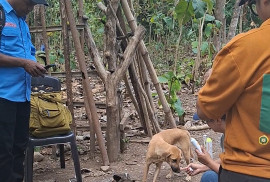
UGM and partner universities improve clean water access and animal health through a collaborative community service program in East Nusa Tenggara.
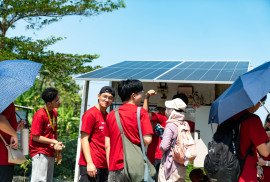
Universitas Gadjah Mada bekerja sama dengan Nanyang Technological University (NTU) Singapura memasang lima unit sistem Pembangkit Listrik Tenaga Surya (PLTS) di Dusun Soropadan, Kalurahan Ti...
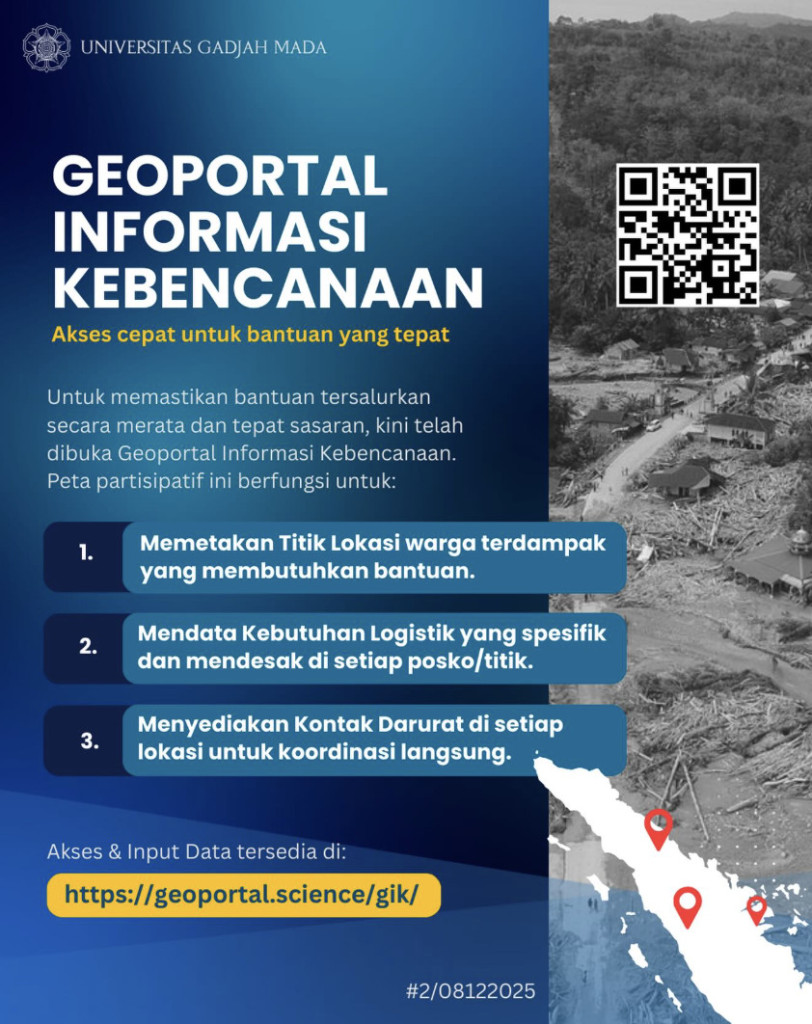
Dampak bencana banjir bandang dan hujan ekstrem di Aceh Tamiang menyisakan pilu yang mendalam. Kerusakan infrastruktur yang masif tidak hanya memutus akses jalan dan jembatan, tetapi juga me...
Indonesia tercatat sebagai negara dengan beban dengue tertinggi di Asia Tenggara dan kedua tertinggi di dunia, serta menyumbang sekitar 17 persen dari total kematian dengue global pada 2025....
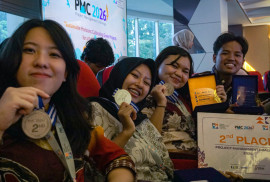
UGM students won second place at PMC 2026 with an innovative community-based solution for organic waste management.
UGM rises to 41st globally in the THE Sustainability Impact Rankings 2026, highlighting its leadership in sustainable development.
UGM helps provide sustainable access to clean water in Sleman through rainwater harvesting and spring conservation initiatives.
UGM students support Islamic boarding school students in reducing food waste through education and sustainable waste management.
Half of Indonesia’s waste is organic, creating opportunities for energy generation and a circular economy.
UGM expert says young people can drive environmental protection through digital campaigns and community action.
UGM students launch DaurKita, a digital waste bank directory to improve access to waste management across Yogyakarta.
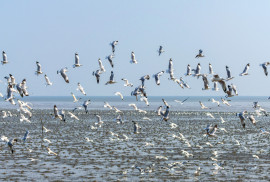
Indonesia’s migratory birds depend on safe stopover habitats amid growing threats from climate change and habitat loss.
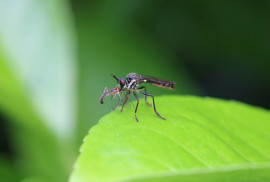
UGM professor warns rising malaria cases in Indonesia are linked to environmental conditions and zoonotic transmission threats.
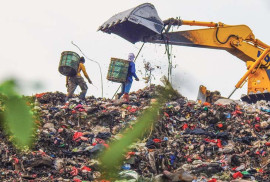
UGM expert highlights methane risks at Bantargebang and recommends capture technology to achieve cleaner energy and emissions cuts.
UGM experts explain hantavirus, the Andes strain, rodent transmission, symptoms, and why pandemic risk remains low.
Limited waste management budgets fuel open dumping and illegal waste burning across Indonesia, says UGM expert.
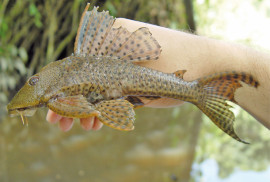
Surging suckermouth catfish populations indicate worsening river pollution and threaten Indonesia’s aquatic ecosystems.
UGM students showcase volunteer work tackling waste and environmental challenges in Aceh and Indonesia’s new capital.
Wet organic waste poses a major challenge to Indonesia’s waste-to-energy projects, affecting efficiency and costs.