


The United States–Israel attack on Iran has generated a range of impacts, one of which affects the supply of nitrogen-based fertilizers. Gulf countries are key producers of nitrogen-based fertilizers, and the attacks by the United States and Israel have disrupted that supply. This situation is expected to pose risks to global food security.
Professor Subejo, a professor at the UGM Faculty of Agriculture (FTP UGM), stated that the conflict in the Middle East has affected the food sector, particularly through shortages in nitrogen-based fertilizers used for chemical fertilizer production. According to him, this shortage can actually be addressed. Not all fertilizer materials are imported, as some fertilizers can be produced domestically.
“Organic fertilizers and biofertilizers do not depend on imports, but chemical fertilizers do require some imported materials,” he explained on Monday (Mar. 30).
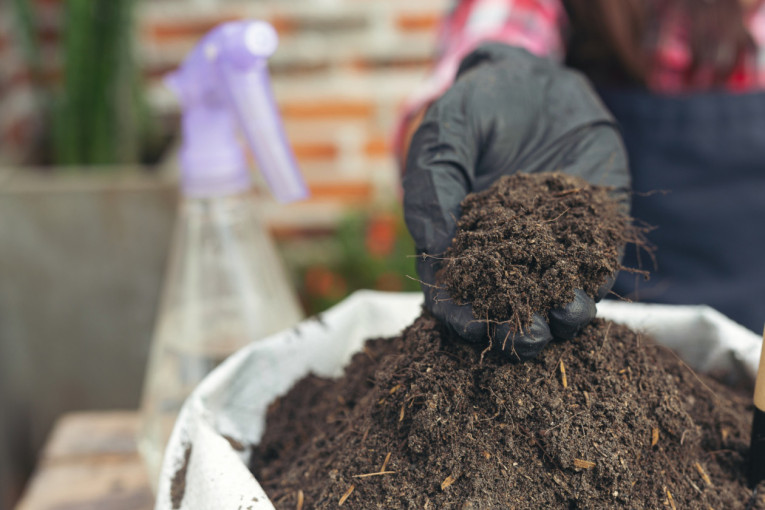
Professor Subejo added that if the attacks persist for an extended period and ships carrying raw materials are unable to enter Indonesia, the risks will increase. However, he views the situation as an opportunity to boost domestic fertilizer productivity. Organic fertilizers derived from livestock manure, including compost from organic waste, can be optimized.
“On one hand, there is still a risk of chemical fertilizer shortages, but we have the opportunity to switch to organic fertilizers. If the government, private sector, and communities take this seriously, this is a momentum to utilize our available resources,” he said.
Furthermore, Professor Subejo explained that if the situation does not improve soon, it will affect the availability of fertilizer stocks for the next planting season. He noted that the government likely has sufficient fertilizer stock for the current season.
“The risk may arise during the June or July planting season if the distribution of raw materials is disrupted,” he said.
Although Indonesia has significant potential to produce organic fertilizers, the need for non-organic fertilizers cannot be entirely replaced. He warned that a reduction of fertilizer stock by up to 50 percent would pose serious risks in the future.
If the situation continues, Professor Subejo emphasized the need for preparation by developing organic fertilizer products. Anticipatory measures should also be taken at the village level through farmer groups and village-owned enterprises (BUMDes). Assistance in the form of fertilizer-processing machinery need not be large-scale but should be sufficient for village-level production.
“This must be anticipated from now. If, within four months, no preparation is made and raw materials suddenly cannot enter the country, it will certainly affect farmers’ needs, and they will not be able to produce commodities properly,” he explained.
In conclusion, Professor Subejo outlined the steps the government should take to address the situation. He stressed the importance of educating the public to reduce dependence on chemical fertilizers and gradually shift toward organic alternatives.
Another strategy is to provide villages with machinery for processing organic fertilizers. These measures could build momentum to promote the importance of organic fertilizers through outreach, while simultaneously preparing the necessary infrastructure and monitoring developments.
“If this is not prepared and shortages occur, prices will surge, and supplies will be unavailable, which could lead to societal disruption. However, with proper strategies, through extension services, machinery provision, and training, this becomes a valuable opportunity to begin preparation,” he concluded.
Author: Fatihah Salwa Rasyid
Editor: Gusti Grehenson
Post-editor: Jasmine Ferdian
Photo: Freepik