


Cases of Nipah virus infection have been reported in India. The transmission of this deadly virus has raised concerns in many countries, including Indonesia.
In response, the government is currently strengthening surveillance and preventive measures against Nipah virus transmission by tightening monitoring of international travelers and supervising transportation equipment and imported goods at ports.
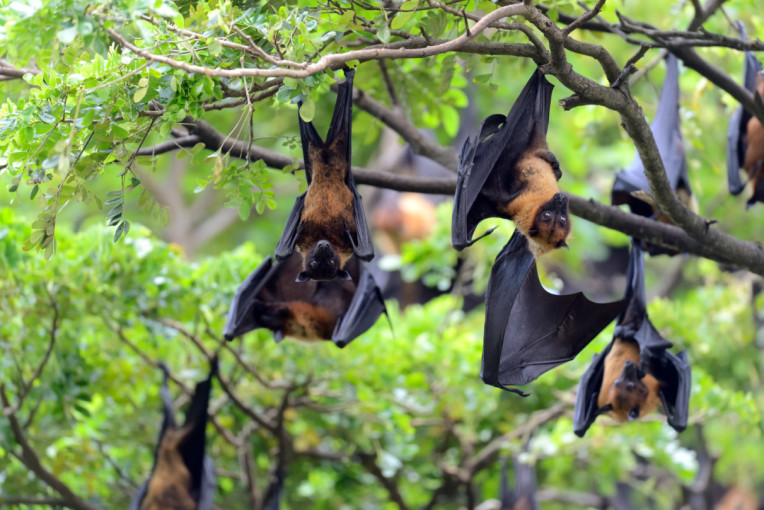
It is important to note that the Nipah virus is transmitted by fruit bats. Nipah virus infection is generally transmitted from bats to humans via intermediate hosts, such as pigs and horses.
Nipah can also spread from human to human through close contact with infected individuals. This disease is considered dangerous because it can cause severe illness in humans, ranging from encephalitis to serious respiratory disorders.
Responding to the outbreak of Nipah as a zoonotic disease, a microbiology lecturer at the Faculty of Veterinary Medicine of Universitas Gadjah Mada (FKH UGM), Dr. M. Th. Khrisdiana Putri explained that the spread of the Nipah virus in animals such as pigs and horses often manifests in respiratory symptoms and neurological disorders and can even be fatal.
“In humans, the impact is indeed more severe, as death usually occurs due to encephalitis or inflammation of the brain,” she said on Friday (Feb. 6).
Dr. Putri added that the Nipah virus is seasonal. According to her, this condition is also influenced by stress or hunger in bats. She gave an example that when natural food sources, such as palm sap in forest habitats, decrease, the risk of transmission can increase because the virus becomes more active.
Dr. Putri emphasized that the government has implemented preventive measures through regulations, including prohibiting pig farms from being located near palm sap plantations. According to her, this policy serves as an initial step in prevention.
“With this regulation, farm management is expected to better support the prevention of transmission from bats to pigs,” she concluded.
In addition, she highlighted the habit of drinking fresh palm sap directly, without processing. According to her, palm sap should undergo prior treatment, such as pasteurization or heating, and should not be consumed raw.
“In the livestock sector, awareness of maintaining distance between animal pens and palm sap plantations, as well as implementing pen disinfection, is essential,” she said.

Dr. Putri noted that the Nipah virus is relatively fragile and easily damaged in the environment. The virus cannot survive for long outside its host; adopting clean, healthy living behaviors (PHBS) is an effective preventive measure.
“Maintaining personal hygiene, such as washing hands, changing clothes after outdoor activities, and maintaining balance with nature, are things that cannot be ignored. Ultimately, the impact will return to humans themselves,” she concluded.
Although the virus can develop and spread among animals, it can also infect humans. A lecturer in Veterinary Public Health at FKH UGM, Dr. Heru Susetya, explained that epidemiologically, bats are known to be the reservoir of the Nipah virus. Therefore, attention to this outbreak as a zoonotic disease is very important and must be taken seriously.
“Our concern from a disease perspective is the possibility of human-to-human transmission, and that has already occurred. There is evidence of it,” he stated.
Dr. Susetya then outlined the history of the Nipah virus, which was first detected in the Nipah region of Malaysia. The initial transmission pattern occurred from bats to pigs, and then from pigs to humans, known as the classic pattern.
However, in cases in Bangladesh and India, transmission has been reported to occur directly from bats to humans. According to him, this is influenced by other factors, such as the consumption of improperly handled palm sap.
“In addition, there is also transmission from human to human. That is what concerns us from a disease standpoint,” he explained.
In Indonesia, Dr. Susetya assessed that an early warning system should already be in place for various zoonotic diseases, including Nipah. This system is important so that any symptoms can be reported and followed up on immediately.
“That is why Nipah has become a concern for the government. The hope is that anyone who recognizes the symptoms can report them immediately. Early warning is the key,” he emphasized.
Dr. Susetya also stressed that the solution is not to blame or eradicate bats, but rather to avoid contact and increase vigilance from an early stage. For example, by promptly reporting if pigs show unusual clinical symptoms.
“These efforts are expected to prevent further transmission, although they still depend on the pattern of virus spread,” he concluded.
Author: Hanifah
Editor: Gusti Grehenson
Post-editor: Rajendra Arya
Photographs: Freepik and Ika Agustin