


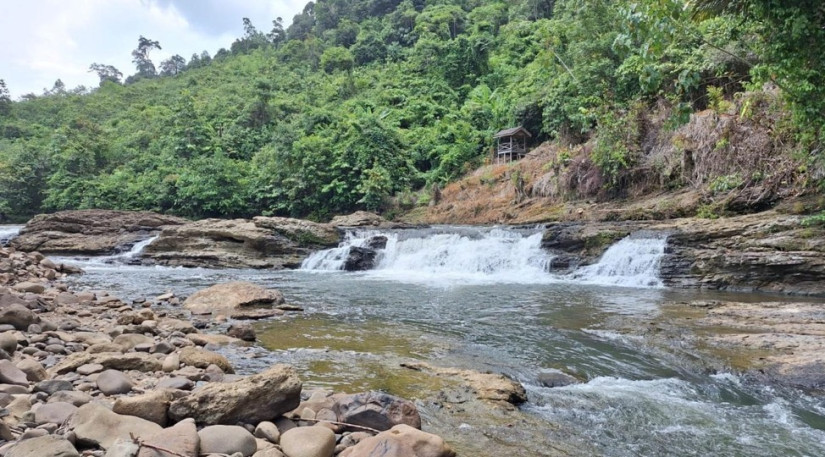
A research team from the Center for People’s Economy Studies, Universitas Gadjah Mada (Pusekra UGM), has completed the formulation of a strategic plan for developing the creative economy of the Murung Raya Regency Government, Central Kalimantan Province.
Dr. Dumairy, a member of the research team, stated that the document outlines an analysis of Murung Raya’s economic dynamics, the potential creative subsectors suitable for development, and strategies to strengthen the creative ecosystem through regulations, capacity-building for industry players, institutional support, and market development.
“The creative economy aligns closely with the character of Murung Raya, which is rich in cultural heritage and community creativity. This sector has the potential to become a key pillar in building the region’s fiscal independence,” said Dr. Dumairy in a release sent on Monday (Dec. 1).
Dr. Dumairy further explained that the document also explores the potential of Murung Raya’s creative economy in supporting the advancement of the people’s economy.
“UGM is open to collaborating with regencies and regions across Indonesia that wish to develop their creative economy potential as part of strengthening the people’s economy,” he said.
Another member of the research team, Ariyanto, noted that the team is also ready to assist regencies across Indonesia in developing the creative economy. He explained that Pusekra UGM’s approach to document preparation is grounded in research, community assistance, and collaboration.
“We offer programs ranging from sustainable tourism development and joint marketing initiatives among business actors, to local commodity management, culinary development, and community empowerment,” he explained.
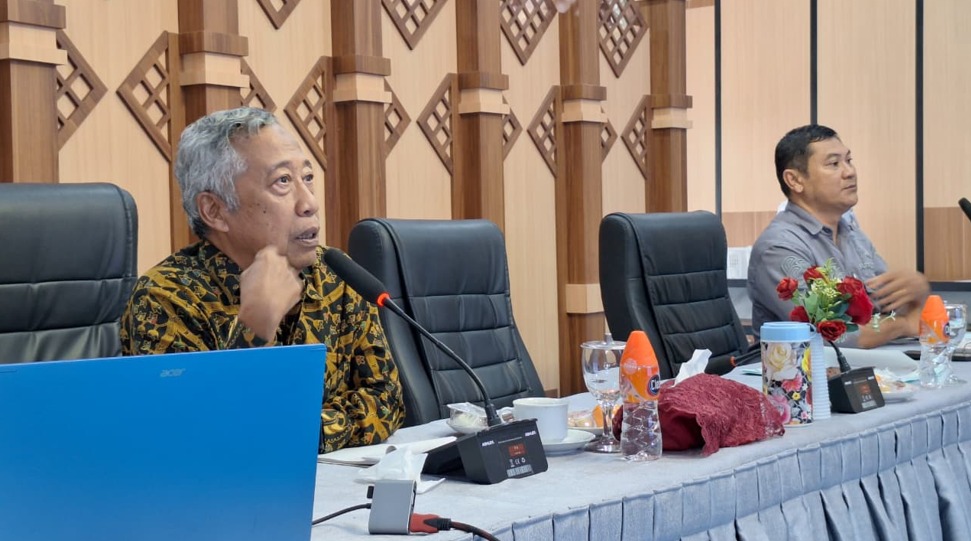
Murung Raya Regent, Heriyus Midel Yoseph, in his directive during the Final Report Presentation on the Preparation of the Murung Raya Creative Economy Development Plan held on Thursday (Nov. 27) at the Bapperida hall, emphasized the importance of creative economy development as a long-term strategy to reduce dependence on natural resource sectors and central government transfer funds.
“The decline in Revenue Sharing Funds (DBH) in 2026 serves as a reminder that Murung Raya needs stronger and more sustainable economic diversification. The regency possesses cultural wealth, community creativity, and local potential that must be innovatively cultivated to generate added value and create new business opportunities,” he said.
Regent Yoseph also underscored the need to prepare the younger generation of Murung Raya not only to become job seekers but also job creators through creativity and innovation. Many opportunities from government development projects remain untapped by local workers due to limited skills and community readiness.
Therefore, the development of a creative economy ecosystem must go hand in hand with capacity-building for human resources from the village to regency levels. Concluding his remarks, the regent officially opened the presentation and invited all participants to contribute constructive feedback to refine the document.
Head of the Regional Development Planning, Research, and Innovation Agency (Bapperida) of Murung Raya, Reyzal Samat, affirmed that preparing the creative economy document is a strategic step to strengthen the regional economic structure.
The document development process involved several stages, including data collection, field surveys, situation analysis, and consultations with stakeholders at the regency level. Samat also expressed appreciation to the Pusekra UGM team and all local government units that contributed to the process.
“It is hoped that the creative economy document will truly serve as an operational guide for the regional government in designing programs and policies in the coming years,” he stated.
Author: Alena Damaris
Editor: Gusti Grehenson
Post-editor: Rajendra Arya
Photographs: Pusekra UGM